25/06/2026 03:44 - Actualidad
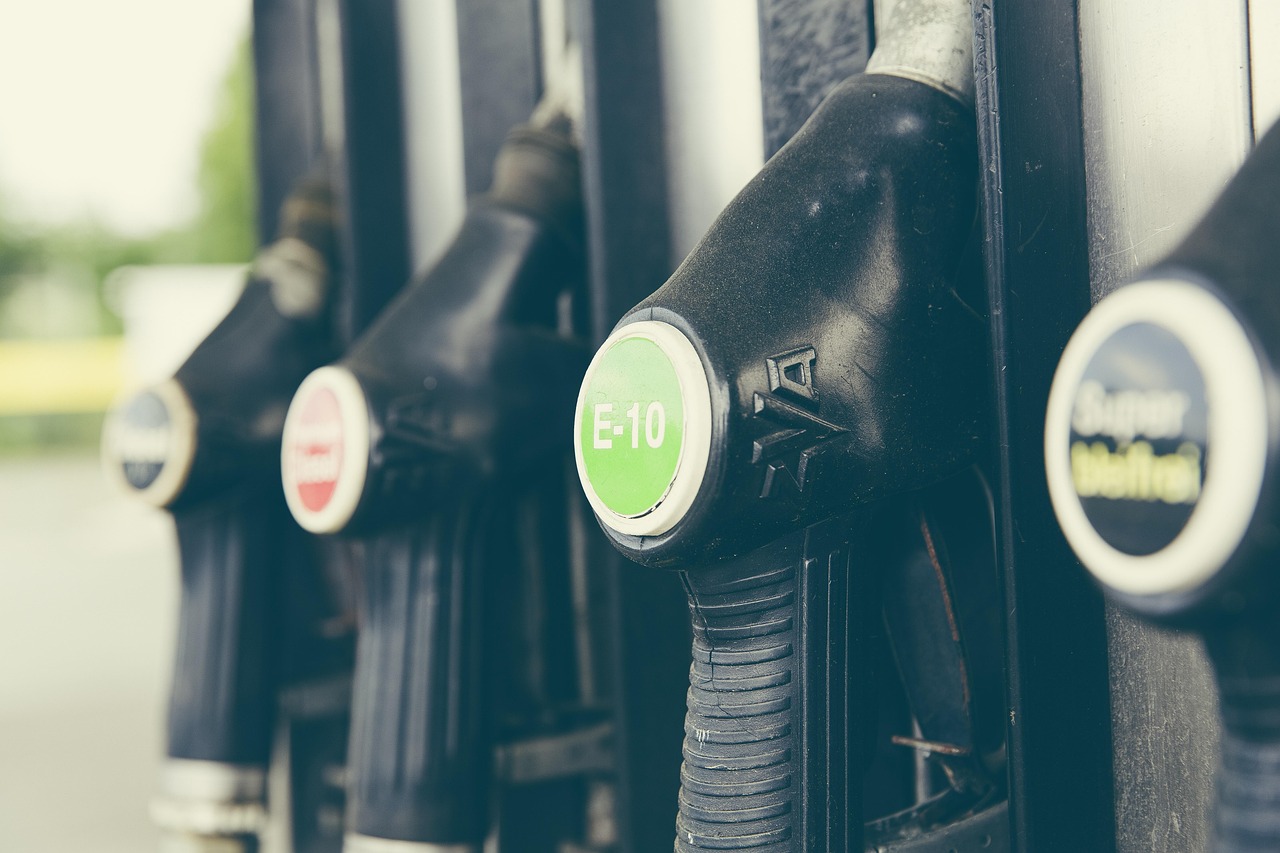
La Plata and its surrounding region are experiencing a prolonged crisis due to a shortage of Compressed Natural Gas (CNG), now stretching to 13 consecutive days and directly affecting public transport workers. The situation has worsened with the arrival of a polar wave that increased energy demand across the entire country.
The conflict stems from restrictions in the gas distribution system. There are two types of contracts for service stations:
| Contract Type | Characteristics | Current Situation |
|---|---|---|
| Firm Contracts | Pay an additional fee to guarantee continuous supply | Only 6 of 45 stations in the region. Cuts of 30-50% |
| Interruptible Contracts | Lower cost but supply can be cut | Majority of stations. Suffering total cuts |
According to Juan Carlos Berón, secretary of the Taxi Drivers Union, Camuzzi (the gas distributor) would be limiting sales to 1,000 cubic meters per day per station, equivalent to approximately 100 vehicles (considering 10 cubic meters per refill).
Workers' frustration has spilled onto the streets:
The protests were organized by "self-convened" groups, independent of formal unions and transport associations.
"We're all working, we just want them to enable CNG, nothing else. We need to work to bring food to our homes."
"There are people who've been here since 3 or 5 in the morning. We've been like this for two weeks, they're mocking us."
Drivers report that station availability changes constantly, with sales cuts, limited quotas, or sudden closures that make it impossible to plan their workday.
After the protests, sector representatives held a meeting at the Municipal Palace with:
The Federation of Fuel Entities (FEC) sent formal requests to:
They request:
Juan Carlos Basílico, president of FEC, explained that the actions seek "to open an institutional review process regarding the functioning of the supply system."
The conflict in La Plata occurs within a context of high natural gas demand at the national level due to the polar wave affecting Argentina since June 23, 2026. According to a report by Economía & Energía:
| Indicator | Value |
|---|---|
| Estimated total gas demand | 174-178 million m³/day |
| Priority demand (residential + services) | 80.6 million m³/day |
| Industrial demand | 30 million m³/day |
| Thermal power plant demand | 28 million m³/day |
| National production | 140 million m³/day |
| Regasified LNG contribution (Escobar) | 18 million m³/day |
| Import from Bolivia | 1 million m³/day |
Wednesday, June 25 was forecast as the coldest day of the polar wave, with minimum temperatures of up to -10°C in mountain areas and 4°C in the AMBA (Buenos Aires Metropolitan Area).
Compressed Natural Gas (CNG) is natural gas stored at high pressure (approximately 200 bar) for use as vehicular fuel. It is an economical and less polluting alternative to traditional liquid fuels. In Argentina, it is widely used by taxis, remises (private hire vehicles), and public transport vehicles due to its lower operating cost.
Argentina's CNG fleet is one of the largest in the world, with approximately 2 million converted vehicles and over 2,000 service stations enabled throughout the country.
La Plata is the capital of Buenos Aires Province, located about 60 km southeast of Buenos Aires City. With nearly 800,000 inhabitants, it's an important urban center. Camuzzi is one of Argentina's main gas distribution companies, serving several provinces. The polar wave mentioned is a typical winter phenomenon in Argentina, where cold air masses from the south cause temperatures to drop significantly.
The transport sector announced it will continue with protest measures until obtaining a concrete solution. The Municipality committed to intervening with Camuzzi, although supply responsibility falls on multiple actors in the energy chain.
Sources:

Alfredo S. Quiroga