25/06/2026 04:21 - Economia
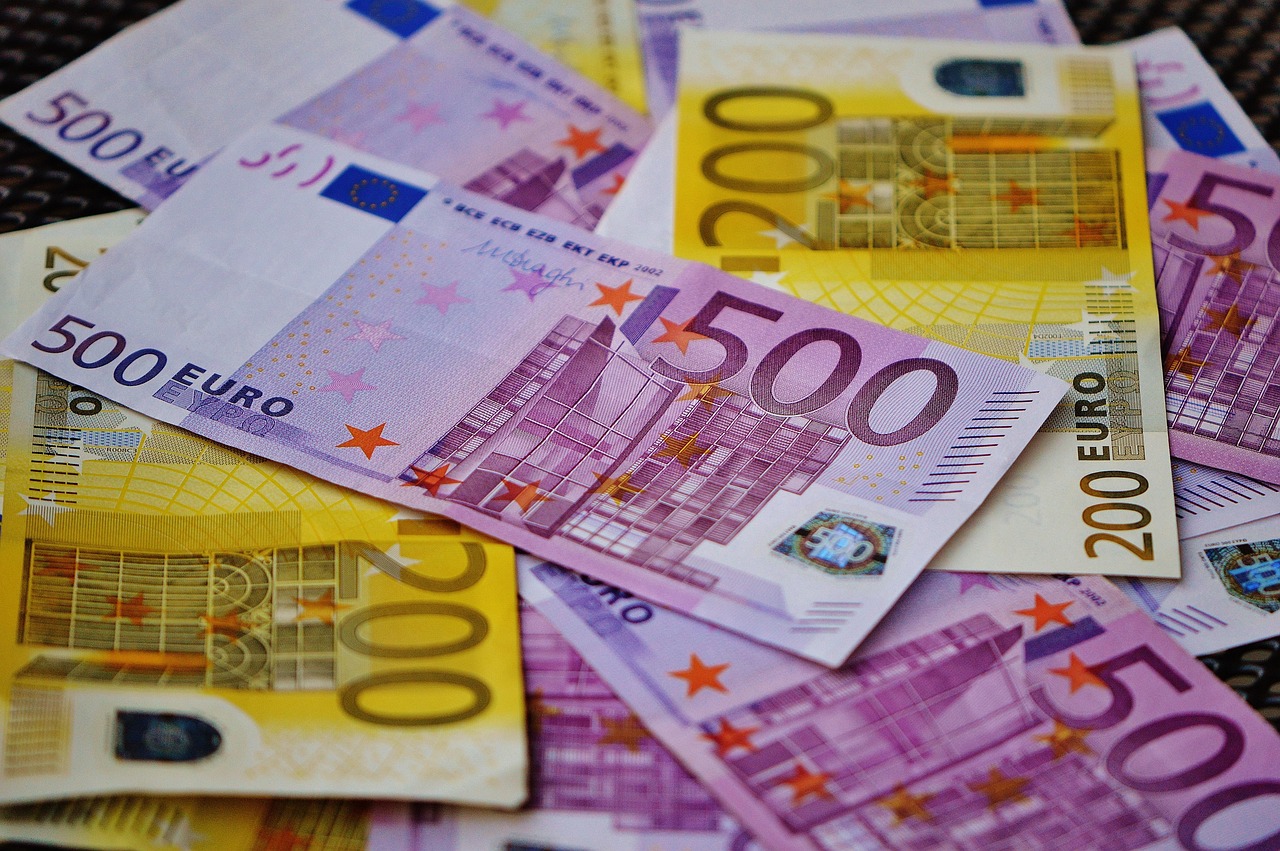
For foreigners navigating Argentina's economy, the "dólar blue" is the informal exchange rate for the US dollar, often the benchmark used by tourists and locals seeking to bypass strict currency controls. After months of stability, June 2026 brought a sharp awakening: the blue dollar accumulated a 7% rise, jumping approximately $100 pesos to trade near $1,530 for sale, matching its yearly high. The wholesale dollar also peaked near $1,479. Economists agree this isn't due to a single factor, but a "perfect storm" of global and local events breaking the exchange rate calm of the first semester.
The primary driver is international. A shift in tone from the US Federal Reserve (Fed) towards a more restrictive stance (hawkish) strengthened the US currency globally. Rocío Bisang (GMA Capital) noted this pressured emerging market currencies. Matías De Luca (Parakeet Capital) added that the dollar appreciated 1.5% against other currencies recently, with similar rises seen in Chile and Brazil. Argentina is simply mirroring this regional trend.
Local dynamics are shifting. The harvest season liquidation—which injects dollars into the market—is ending, reducing supply. Simultaneously, demand is rising: the payment of the "Aguinaldo" (the mandatory mid-year bonus) prompts many Argentines to buy dollars as a refuge. Gerardo Mestre noted lower-than-expected soybean liquidation, while Luis Aveta highlighted that funds are moving from fixed-term deposits to dollars. Additionally, travel for the 2026 World Cup in the US is increasing demand.
Technically, the dollar was "lagging". Despite double-digit inflation in 2026, the rate had remained flat. Rafael Di Giorno (Proficio Investment) explained this recovery is "healthy," correcting a relative delay. The market is simply adjusting to the economic reality after a period of artificial stability.
Economists estimate the impact on internal prices will be neutral to mild. Weak consumer spending forces businesses to absorb costs rather than pass them on. Exporters benefit, while importers face pressure.
For those receiving their Aguinaldo, advice ranges from the conservative (buying dollars) to sophisticated investments like CER bonds (inflation-linked), the S&P 500, or crypto. Analysts foresee stabilization with a "ceiling" estimated between $1,750 and $1,800. The Central Bank moderated purchases, and the market is watching for future dollar inflows from the RIGI (Large Investment Regime) and debt payments.
Sources: Ámbito, Tiempo de San Juan, Canal 13 San Juan

Alfredo S. Quiroga