29/06/2026 06:47 - Actualidad
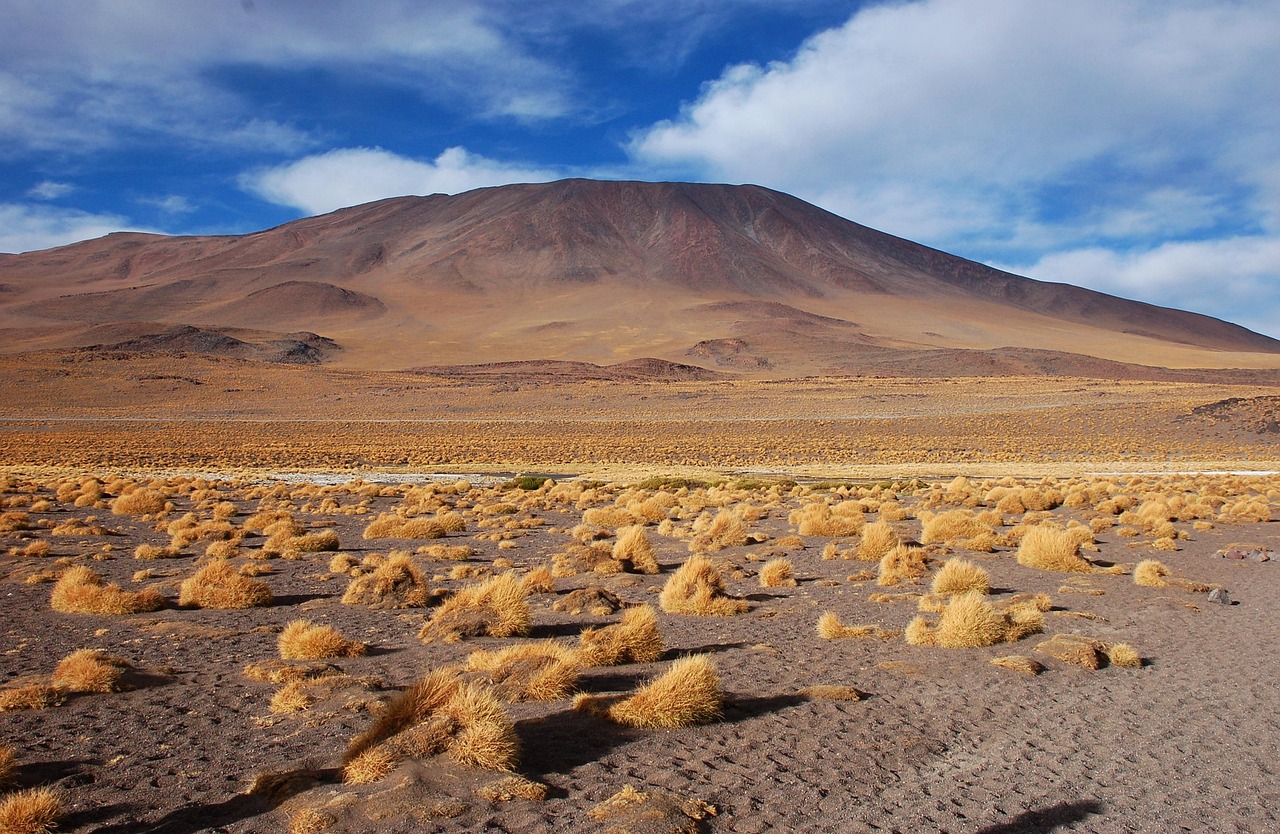
Laguna Colorada (Red Lagoon), located in Bolivia's Altiplano region at 4,300 meters above sea level (approximately 14,100 feet), has become a global scientific focal point after capturing the attention of NASA. An astronaut aboard the International Space Station successfully photographed a massive bright orange spot that dramatically contrasts with the white salt deposits in the surrounding area, creating an image resembling a rusted footprint on a desert landscape.
The photographs were released through NASA's Earth Observatory, highlighting the striking visual contrast between the reddish waters and the surrounding Andean landscape. This extraordinary phenomenon breaks the monotony of the high-altitude terrain and has sparked interest from the international scientific community.
The scientific explanation behind this natural spectacle lies in the massive presence of Dunaliella salina algae, a microscopic organism that thrives in conditions of extreme salinity. These algae produce pigments called carotenoids, which dye the waters with tones ranging from intense red to bright orange.
Natural pigments that protect algae from intense solar radiation at high altitudes and give the water its characteristic color. These are the same compounds that make carrots orange!
The coloration can shift to greenish hues depending on temperature and weather conditions, making each visit to the lagoon a unique visual experience.
The current surface of Laguna Colorada represents the remnant of an ancient lake bed. Today, the site exhibits borax islands formed by natural evaporation, creating a surreal landscape of immeasurable scientific value.
| Feature | Details |
|---|---|
| Location | Bolivian Altiplano, Potosí Department |
| Altitude | 4,300 meters (14,100 feet) above sea level |
| International Protection | Ramsar Convention since 1990 |
| Iconic Species | Three flamingo varieties (Andean, Chilean, James's) |
| Color Cause | Dunaliella salina algae (carotenoids) |
Despite hostile environmental conditions—including thin air, intense UV radiation, and temperature extremes—this high-altitude wetland has been internationally protected since 1990 under the Ramsar Convention, an international treaty for wetland conservation. The ecosystem serves as a vital refuge for various Andean species, notably hosting three distinct flamingo varieties that find an ideal habitat in these waters.
For travelers interested in visiting, the lagoon is located within Eduardo Avaroa Andean Fauna National Reserve, one of Bolivia's most spectacular protected areas, famous for its otherworldly landscapes including geysers, hot springs, and salt flats.
The Convention on Wetlands, commonly known as the Ramsar Convention, is an intergovernmental treaty approved in 1971 in the Iranian city of Ramsar. It provides the framework for the conservation and wise use of wetlands and their resources. Bolivia is a signatory to this treaty, protecting valuable ecosystems like Laguna Colorada for future generations.
Source: Diario Panorama | Image: NASA Earth Observatory

Alfredo S. Quiroga