29/06/2026 13:07 - Economia
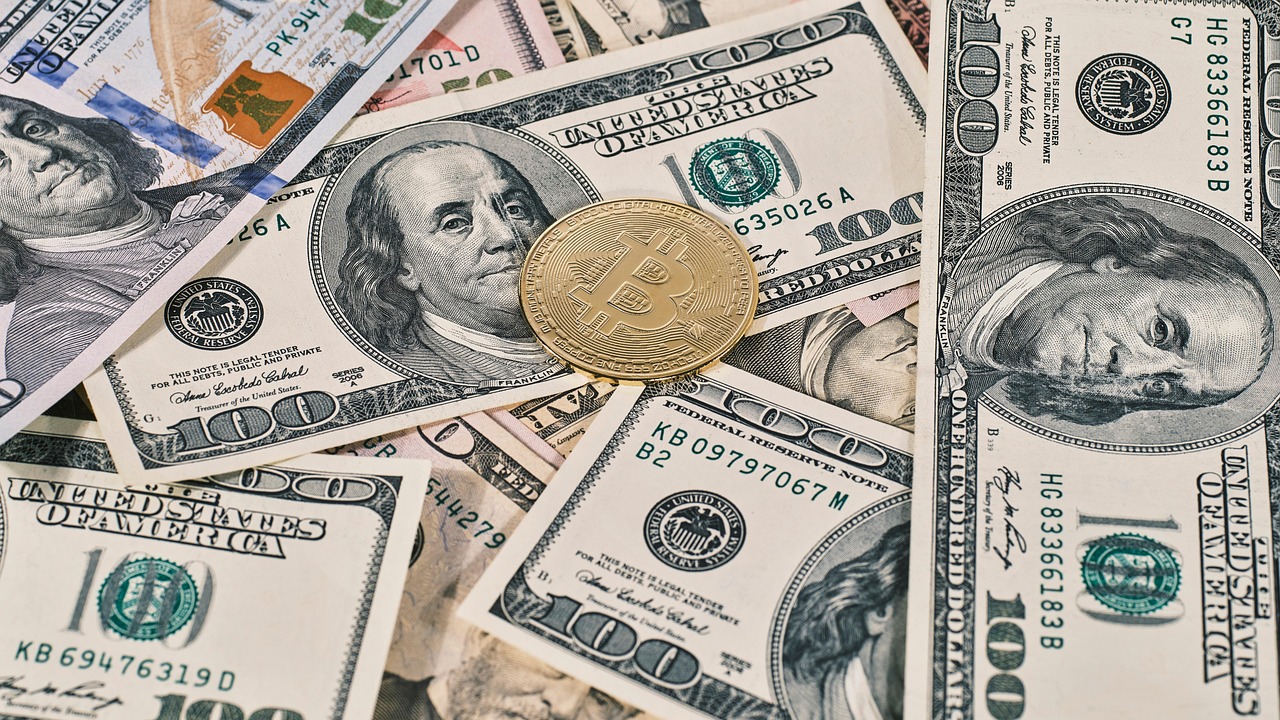
The official dollar closed at $1,495 for sale at Banco Nación (Argentina's state-owned bank) on Monday, June 29, 2026 — its highest level since January 5. The wholesale rate settled at $1,477, representing a 4.9% increase in June alone.
According to the Central Bank of Argentina (BCRA), the average retail dollar traded at $1,495.57 for sale and $1,444.18 for purchase across financial institutions. The official exchange rate has risen only 1.5% in 2026, significantly below the inflation rate of approximately 16% recorded in the first semester.
| Type | Sale | Purchase |
|---|---|---|
| Official Dollar | $1,495 | $1,445 |
| Blue Dollar | $1,510-$1,515 | — |
| Wholesale Dollar | $1,477 | — |
| Crypto Dollar | $1,561.80 | — |
All rates expressed in Argentine Pesos (ARS) per 1 USD.
Argentina has maintained a dual exchange rate system for years. The official rate is set by the Central Bank and used for banking transactions, imports, and official remittances. However, due to currency controls (cepo cambiario), access to official dollars is limited.
The blue dollar (dólar blue) emerged as a parallel market rate where individuals can freely buy and sell US dollars through informal channels. Historically, this rate carried a significant premium, with gaps exceeding 100% during economic crises. The current gap of just 2% is remarkably narrow by Argentine standards.
For visitors and expats: the blue rate is commonly used when paying with foreign credit cards through platforms like Western Union or services that offer the dólar MEP (electronic payment dollar). Tourists should research current rates before exchanging currency.
The Central Bank of Argentina (BCRA) purchased USD 240 million in the past week through market intervention. International reserves reached USD 47.081 billion — levels not seen in years.
Throughout 2026, the monetary authority has accumulated purchases worth USD 11 billion, benefiting from a record trade surplus of USD 11.783 billion between January and May. Exports from Neuquén province (a key oil and gas region) totaled USD 3.450 billion in the first four months, a 104% increase compared to the same period in 2025.
💡 Why this matters: Strong reserves provide a buffer against economic shocks and signal improved financial stability. For context, Argentina's reserves fell below $25 billion during the 2018-2019 crisis.
Futures contracts in Argentina's financial markets (ROFEX) project an official dollar at $1,504 for July 2026 and $1,653 for December 2026. This trajectory suggests an exchange rate more closely aligned with inflation, according to market analysts.
Consulting firm BBVA Research projects inflation at 29% for the end of 2026 and 20% for 2027. The current account deficit shrank from USD 5.158 billion in Q1 2025 to USD 1.651 billion in Q1 2026, reflecting improved trade balance dynamics.
Argentina's Ministry of Economy completed the placement of the Bonar 2028 (AO28) bond, raising an additional USD 100 million in the second round on Monday, June 29. The instrument reached its maximum quota of USD 2 billion.
These funds will be transferred to the Treasury to cover the debt maturity on July 9, 2026, which requires a payment of USD 4.2 billion to bondholders. The operation reflects the government's ability to access foreign currency financing — a significant shift from recent years when Argentina faced restricted international capital markets.
Argentina's current exchange rate environment shows positive real interest rates combined with a low real exchange rate — an unusual combination in the country's economic history. According to analysts, this significantly changes the behavior of consumers and businesses compared to previous economic cycles.
The DXY index (US dollar against a basket of currencies) reached 101.5 points, its highest since March 2025. Meanwhile, the Brazilian real depreciated 5.7% over the past seven weeks, factors that also influence regional exchange rate dynamics.
🌍 Regional context: Argentina's relative currency stability contrasts with other Latin American currencies. The narrow gap between official and blue rates suggests increased confidence in economic policy direction.
If you're planning to visit Argentina, here's what you should know about exchanging money:
Always verify current rates through reliable sources before making exchange decisions. The narrow 2% gap currently observed makes this decision less critical than in previous years.
Sources: Infobae | Central Bank of Argentina (BCRA) | ROFEX Futures Market

Alfredo S. Quiroga