25/06/2026 20:57 - Internacionales
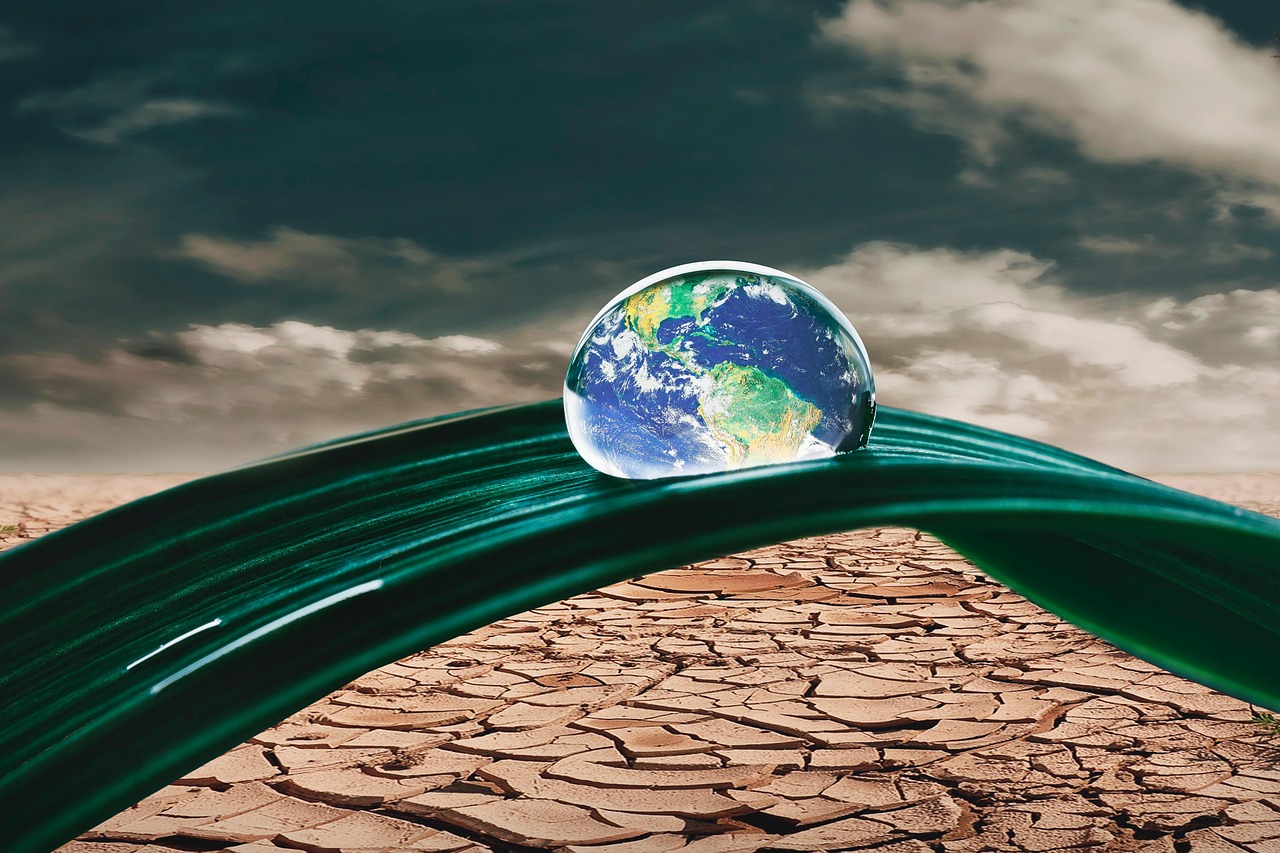
El Niño, officially known as the El Niño-Southern Oscillation (ENSO), is a natural climate phenomenon characterized by the anomalous warming of surface waters in the eastern equatorial Pacific Ocean. This warming disrupts global weather patterns, causing brutal meteorological extremes: droughts in some regions and floods in others.
The name, which means 'Child' in Spanish, was coined by Peruvian fishermen in the 19th century who noticed the waters warming periodically around Christmas time. However, it wasn't until the 1970s that scientists understood its global nature and began to reconstruct its devastating historical impact.
It warmed Peruvian waters to the point of collapsing the world's largest anchovy fishery. It caused severe droughts in South Asia, the Sahel, and parts of East Africa. In Ethiopia, protests over the famine contributed to a military coup that established a communist dictatorship.
This event was even more intense. It forced students like Adugna Woyessa, now an epidemiologist at the Ethiopian Public Health Institute, to travel 150 km to help with state harvests. The resulting famine captured worldwide attention through the Live Aid concert.
The U.S. National Oceanic and Atmospheric Administration (NOAA) confirmed that El Niño conditions formed during the week of June 15, 2026. They calculate a 63% probability that it will reach 'very strong' intensity by the peak at the end of the year. Australia issued a similar warning regarding worsening extreme heat and wildfires.
Due to the expected magnitude of the thermal anomaly, which will raise global temperatures at an already critical moment.
The World Meteorological Organization (WMO) has been more cautious, warning that it is too early to determine its exact strength. But even if the most catastrophic predictions do not materialize, El Niño is arriving under unprecedented conditions:
While the world debates the intensity of the phenomenon, Papua New Guinea is already living the crisis. According to Oxfam, it is currently the Pacific country most affected by El Niño, with devastating impacts in the Highlands regions.
| Indicator | Figure |
|---|---|
| National population affected | Up to 3 million people |
| Affected in the Highlands | 1.9 million projected |
| Affected across the Pacific | 4.7 million people |
| Food supply in communities | 2 to 3 months |
| Rainfall below average | Nearly a year |
Rainfall has been below average for almost a year, combined with frosts in the Highlands and invasive pests that have destroyed crops and livestock. The lack of cloud cover allows heat to escape rapidly at night, causing temperatures to drop below zero and ruin harvests.
John Wankar, a farmer from Tambul in Western Highlands province, woke up last week to find his garden covered in frost:
"My family depends entirely on the garden for food and income. Now we face uncertainty about how we will survive the coming weeks."
Martha John, 62, from Kundiawa-Gembogl district in Chimbu:
"Last week all our gardens were covered in frost. We cried, because these gardens are not just for eating, but also our income. We sell potatoes wholesale, and all my children and grandchildren depend on this food."
The phenomenon is not limited to Papua New Guinea. Other Pacific countries are also suffering the consequences:
The Famine Early Warning Systems Network projects that between 115 and 125 million people will need urgent food assistance by December 2026, with risks of famine in Sudan, South Sudan, and Somalia.
On Thursday, June 19, 2026, the World Food Programme (WFP) and the UN Food and Agriculture Organization (FAO) issued their first joint call to raise funds and prevent a crisis before it happens. Citing research showing that every $1 spent on 'anticipatory action' saves $7 in humanitarian aid costs, the agencies need an additional $167 million of the $202 million required to help 8.8 million people.
Preventive actions include:
Only 128 countries have multi-hazard early warning systems implemented, according to the WMO.
Papua New Guinea's Prime Minister, James Marape, has ordered all provinces and districts to prepare for an extraordinary and prolonged dry season:
"This is a time for preparation, not panic. Every district and every province must know its vulnerable areas, know its water sources, protect its people, and prepare early."
The Minister for National Disasters, Billy Joseph, confirmed that assessments in the region show reduced rainfall, declining water sources, and moisture stress affecting food gardens.
The planet has warmed approximately 1.3°C since the Industrial Revolution. Temperatures are rising so fast that the worst El Niño years of the recent past (like 1997-98) are much cooler than current years. The phenomenon offers a glimpse of the cascading horrors that climate scientists warn will destabilize societies as the planet warms.

Alfredo S. Quiroga