25/06/2026 21:55 - Internacionales
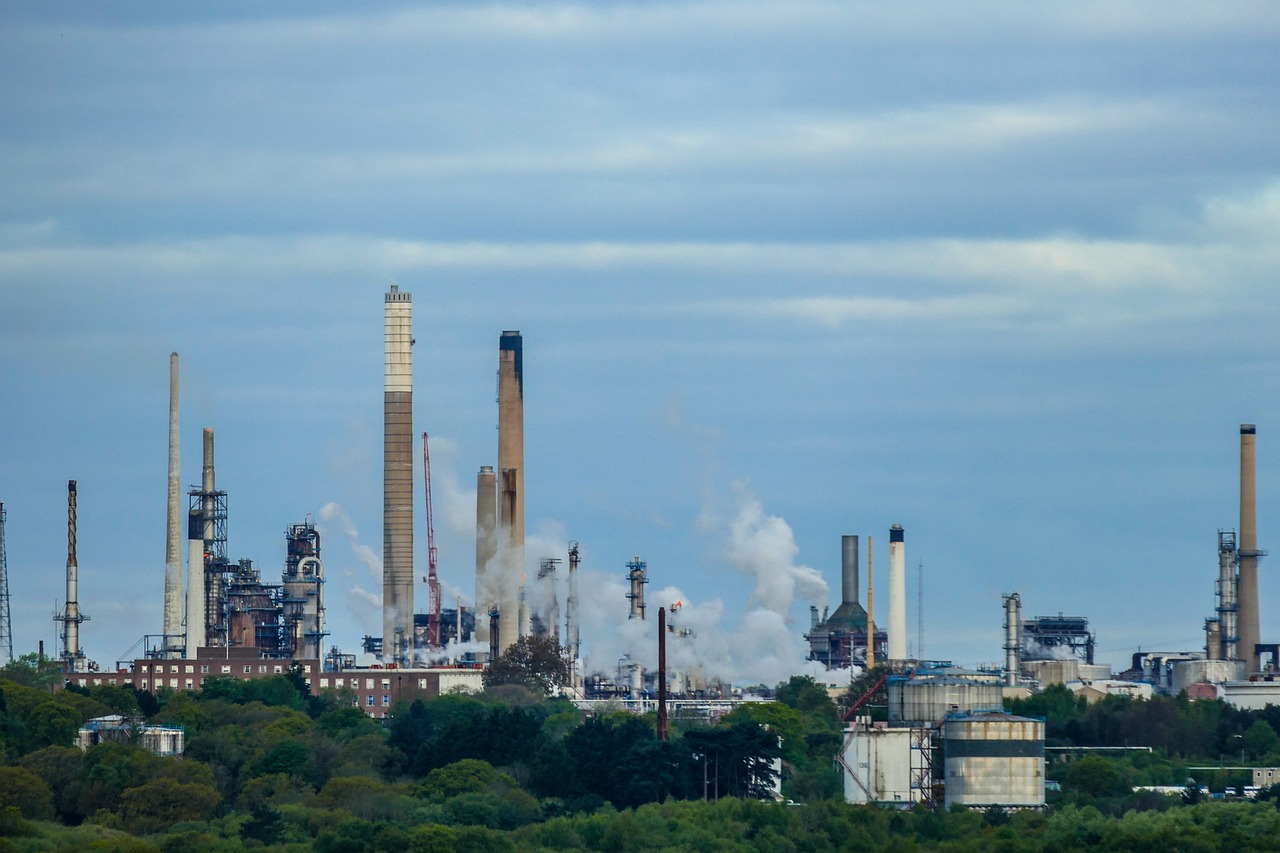
In a landmark ruling for European climate legislation, a tribunal in Paris ordered on June 25, 2026 that oil giant TotalEnergies must disclose climate risks linked to emissions from its products and establish plans to address them. The ruling comes as France faces a historic heatwave keeping 58 departments on red alert.
To understand the significance of this ruling, one must understand what was being judged. Greenhouse gas emissions are divided into three categories or 'Scopes':
According to the plaintiff NGOs, TotalEnergies was not accounting for these latter emissions, which amounted to 342 million tons of CO2 equivalent in 2024.
The lawsuit was filed by four environmental NGOs and the City of Paris itself. Although the tribunal did not order the drastic measures requested by plaintiffs, such as halting new extraction projects or imposing mandatory reduction targets of 37% for oil and 25% for gas by 2030, it did establish a fundamental legal principle.
"For the first time, a judge recognizes that climate risks fall within the duty of vigilance of large corporations, and no fossil fuel multinational can evade this responsibility."
The tribunal determined that the company's vigilance plan was "incomplete" and granted a deadline of six months to amend it and include end-user emissions. This applies France's 2017 Duty of Vigilance Law, a pioneering piece of legislation that requires large French companies to prevent environmental and human rights risks in their activities—a law that has inspired similar initiatives across Europe.
This ruling is part of a growing wave of global climate lawsuits, known as 'climate litigation'. TotalEnergies' defense argued that global warming would continue even if they shut down, as they represent less than 2% of global production, and characterized the lawsuit as "demonization." However, the tribunal held that there is an "inherent link" between oil and gas production and their subsequent combustion.
France's 2017 Duty of Vigilance Law is one of the world's strongest corporate accountability laws. It requires companies with over 5,000 employees in France (or 10,000 worldwide) to publish annual vigilance plans identifying and mitigating risks. This case sets a precedent that could affect oil companies globally.
The city of Paris celebrated the decision as "historic," citing that the metropolis is suffering firsthand from the impacts of climate change. Experts from the Grantham Research Institute highlighted that the ruling establishes that addressing climate risks is a legal obligation, not a voluntary practice.
Source: The Guardian

Alfredo S. Quiroga