25/06/2026 20:22 - Internacionales
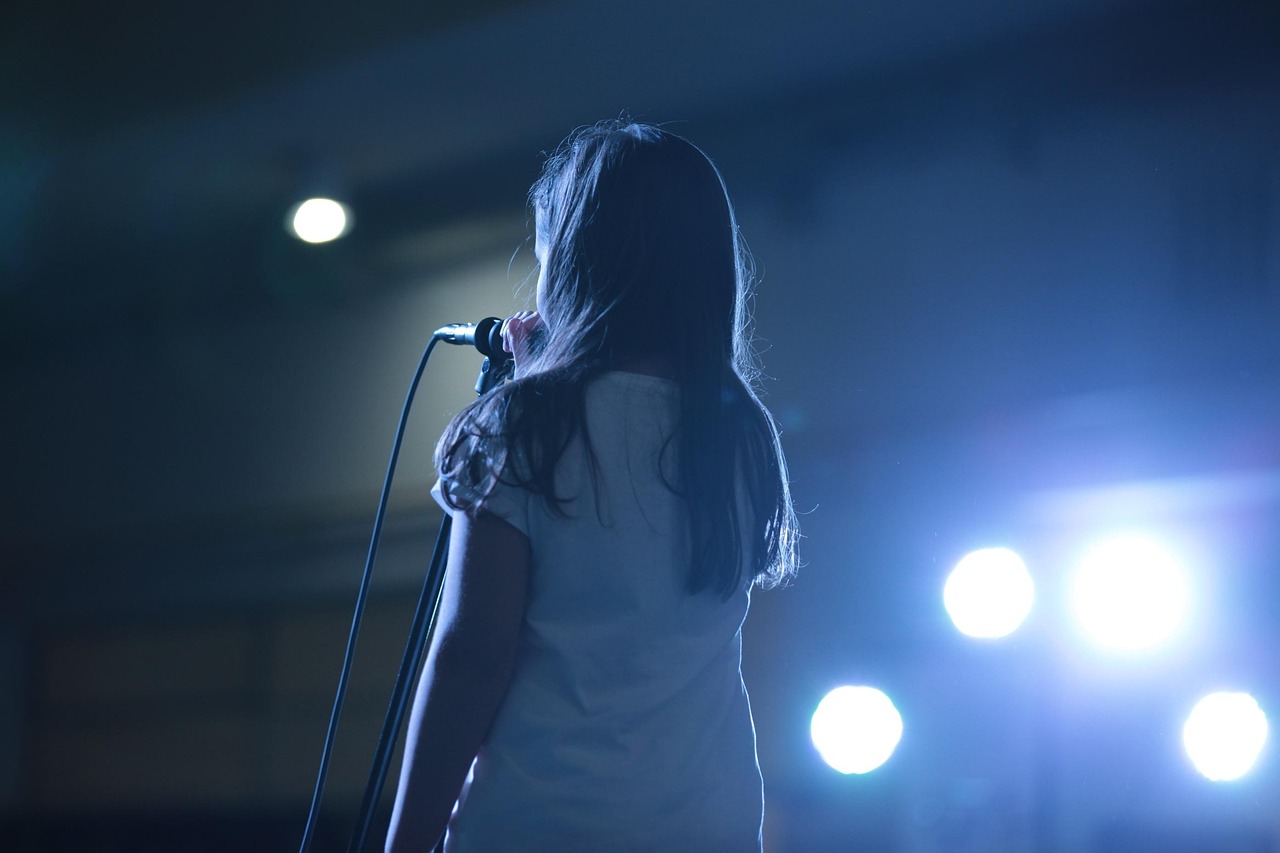
In a Nairobi auditorium, audiences hold their breath as a husband unleashes a barrage of blows and slaps on his wife, pushing her to the ground. "I wish I could spare you this", the wife tells the audience. "My husband beat me as if we were in a bar fight. Except in a bar, someone fights back".
The scene belongs to "Free Me", an autobiographical play written by Gathoni Kimuyu, a 41-year-old Kenyan theater and television producer who endured an abusive marriage. The production, originally presented in November 2025 and revived in June 2026 at the Chandaria Jain Social Group auditorium in Nairobi, reflects growing public outrage against gender-based violence in Kenya.
Nairobi is Kenya's capital and largest city, located in East Africa. The Chandaria Jain Social Group is a well-known cultural venue in the city.
Gathoni Kimuyu, popularly known as "Queen Gathoni", has worked on defining productions in Kenyan television and theater, including the children's drama Machachari and the historical play series Too Early for Birds.
The play covers different stages of her life, performed by five different actresses: the lively 16-year-old teenager; the 21-year-old young woman who marries and begins suffering abuse; the 25-year-old who has her daughter and leaves the marriage; and the 30-year-old who rebuilds her life.
In Kenya, femicide and abuse rates, already high, have increased in recent years. In June 2026, hundreds of women marched through the streets of Nairobi to protest violence against women and demand the government declare gender-based violence a national crisis.
| Fact | Detail |
|---|---|
| Online campaigns | #StopKillingUs, #EndFemicideKe, #TotalShutDownKe |
| Government response | Technical working group formed in January 2025 |
| Key recommendations | Define femicide as a distinct crime from murder |
| Current status | Government has not yet implemented recommendations |
Femicide refers to the killing of women and girls specifically because of their gender. Unlike general homicide, it involves systemic discrimination and violence rooted in gender inequality.
Following protests in 2024 and online campaigns, the government published a report citing patriarchal structures and gender inequality as social and cultural factors behind the violence.
Mugambi Nthiga, the play's director and co-writer, noted: "This is a play about gender-based violence about someone who lived through it, but it's performed in a reality where there's more than one woman every day who doesn't have that same luck and doesn't have the same kind of ending as this play".
Renee Gichuki, who portrays Kimuyu's character at age 16, stated that the play is timely because gender-based violence "has become a crisis". "The person next to you has experienced it or knows someone who has experienced it", she added.
Kimuyu hopes the play will encourage victims to speak without shame: "There's nothing that resonates more strongly with people than a story about someone they know. Seeing someone survive and be on this side makes people believe it's possible".
Wambui Njeri, a 24-year-old businesswoman, said after watching the play that it humanized victims and showed that the perpetrator could be anyone: "This makes it very clear that it's the everyday woman, it's the everyday man".
Her friend Patrick Muchiri, 40, commented: "As men we really need to do better... Yes, we are heads of families and heads of societies. But that doesn't mean belittling or causing violence or harm".
Source: The Guardian

Alfredo S. Quiroga