25/06/2026 20:17 - Internacionales
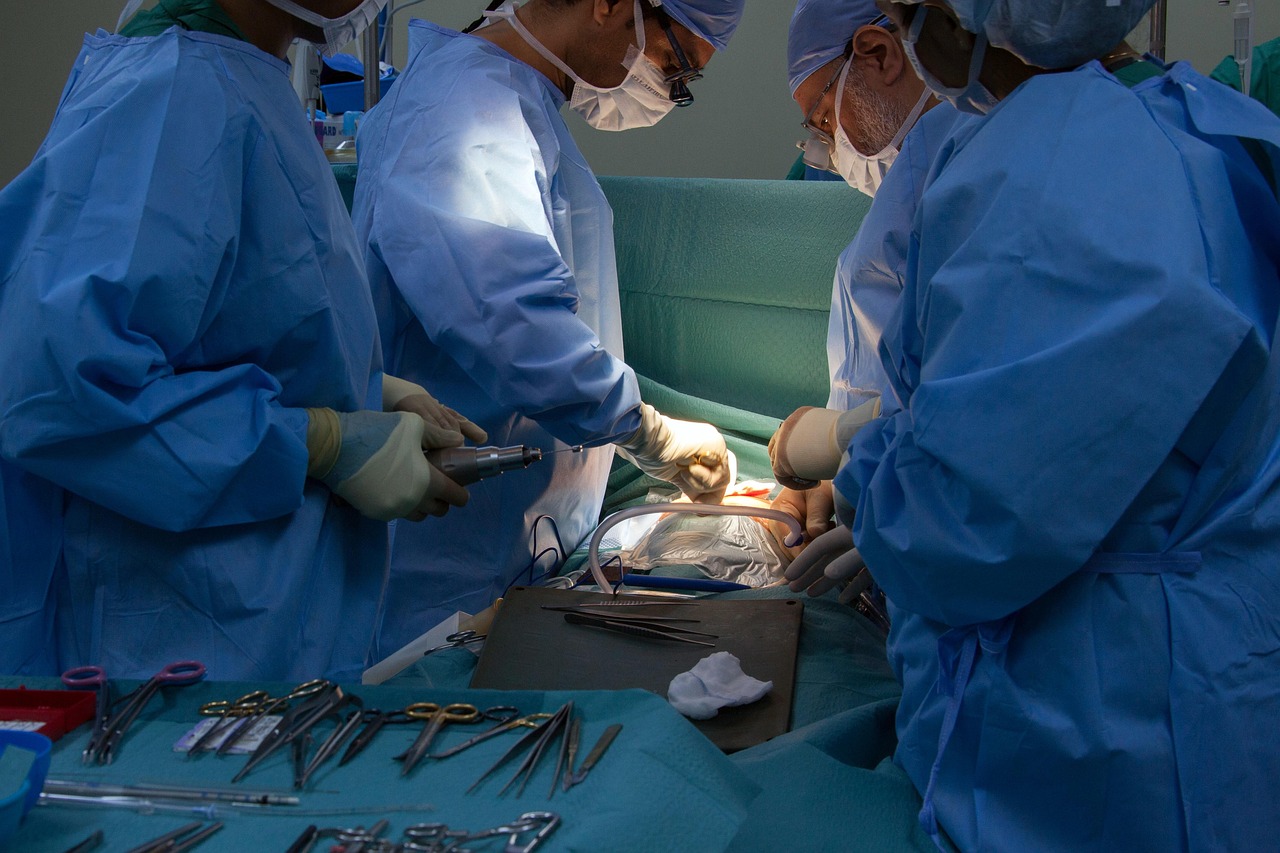
France confirmed on June 24, 2026, the first Ebola case detected on its territory, involving a humanitarian doctor who had been participating in a mission in the Democratic Republic of Congo (DRC). The patient was transferred to a specialized center and remains in stable condition with a low viral load, according to the French Ministry of Health.
The doctor, who was working with the humanitarian organization ALIMA (The Alliance for International Medical Action) in the outbreak-affected zone, arrived in Paris on June 23, 2026 aboard an Air France flight from Kinshasa, the capital of the Democratic Republic of Congo. Authorities indicated that:
The French Ministry of Health emphasized that "all precautionary measures were taken", including patient isolation and hospital transfer under safe conditions to prevent any risk of contamination.
French authorities implemented a contact tracing protocol:
This represents the first internal detection of Ebola in France, unlike the deliberately transferred cases in 2014 during the West Africa outbreak.
Ebola is a severe viral disease transmitted to humans from wild animals (likely African fruit bats) and spreads among humans through direct contact with:
Initial symptoms: fever, fatigue, muscle pain, headache, and sore throat. It can progress to vomiting, diarrhea, and hemorrhaging.
The current outbreak is centered in Ituri Province, in northeastern DRC, where authorities are struggling to contain the virus spread. This is the 17th Ebola outbreak in the country since the disease was first detected in 1976 near the Ebola River, from which it takes its name.
The DRC, located in Central Africa, has experienced more Ebola outbreaks than any other country due to its proximity to the virus's natural reservoirs in tropical forests.
Confirmed cases
(as of June 21, 2026)
Confirmed deaths
in DRC
People recovered
from the virus
The World Health Organization (WHO) declared the outbreak on May 15, 2026, and two days later, classified it as a public health emergency of international concern (PHEIC). Experts believe the virus circulated undetected for weeks before identification.
| Country | Confirmed Cases | Deaths |
|---|---|---|
| Democratic Republic of Congo | 1,048 | 267 |
| Uganda (neighboring country) | 20 | 2 |
The current strain is Bundibugyo virus, a rare Ebola variant that lacks an approved vaccine or treatment. Models from the U.S. Centers for Disease Control and Prevention (CDC) suggest it could become the largest outbreak in history.
The largest Ebola outbreak on record occurred in West Africa between 2014 and 2016, with more than 28,000 people infected and over 11,000 deaths. During that outbreak, some patients were deliberately transferred to Europe for treatment, but this case in France represents the first internal detection of the disease in the country.
A U.S. citizen treated for Ebola in Germany was discharged in June 2026 after testing negative for the virus following May 30.
Sources: The Guardian, French Ministry of Health, WHO, DRC Ministry of Health

Alfredo S. Quiroga