19/06/2026 19:15 - Internacionales
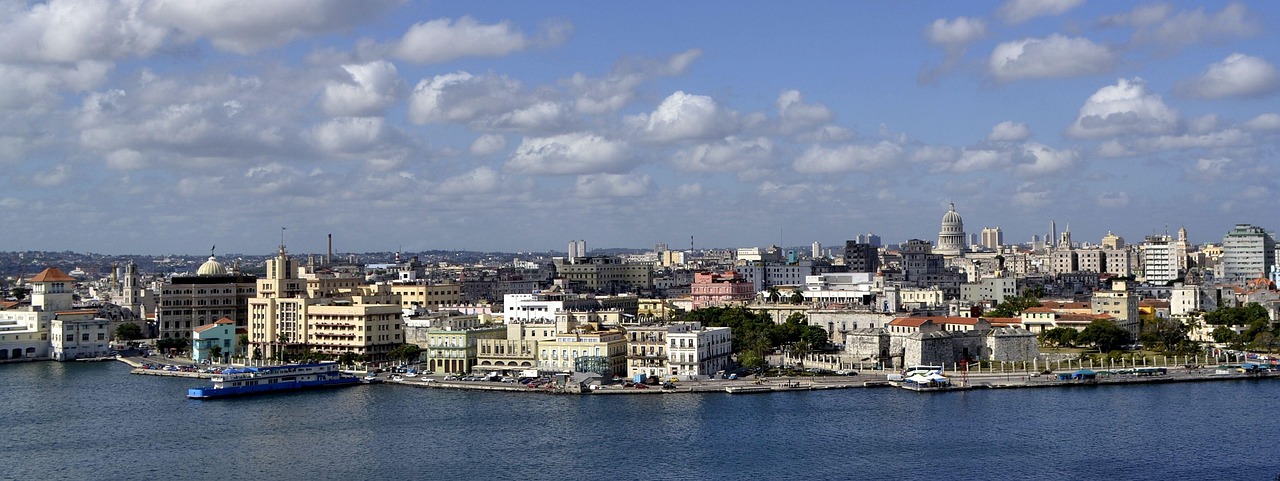
Vista de La Habana con edificios coloniales de colores pastel, autos clásicos estadounidenses de los años 50, y ciudadanos caminando por las calles under un sol tropical, representando una nación caribeña en proceso de transformación económica
In an unprecedented decision, the National Assembly of People's Power of Cuba approved on June 19, 2026 a package of 176 economic and social transformations aimed at liberalizing the island's economy. The process was remarkably swift: just one week passed from announcement to final ratification.
President Miguel Díaz-Canel acknowledged before the legislature that Cuba "is living through the most difficult hours of this century," emphasizing that "it is time to change everything that needs to be changed" at a historic moment that "demands transformation."
The package includes 23 main axes covering multiple sectors of the Cuban economy:
This plan represents a before and after for the state-controlled, centralized economic system that has characterized Cuba since 1959. The measures seek to open and decentralize an exhausted economy paralyzed by internal factors and, especially in the last six months, by the maximum pressure policy of the United States.
Prime Minister Manuel Marrero defended the initiatives before the Assembly, calling them "strategic impact measures" that in no way pervert the socialist character of the Cuban economic system, but are "a condition for its preservation."
Cuba's economic model has been state-controlled since the 1959 revolution led by Fidel Castro. The country operates under a socialist system where most businesses and industries have been government-run. However, economic hardship (exacerbated by the U.S. embargo and the COVID-19 pandemic) has pushed the island nation toward reforms similar to those implemented by Vietnam and China - maintaining socialist governance while allowing market mechanisms.
The marabú weed mentioned in the reforms is an invasive plant that has taken over vast areas of Cuban farmland, rendering them unproductive. Clearing these lands for agriculture is crucial for food security.
Despite the context, the Cuban president emphasized that the reforms are not a reaction to U.S. pressure, but a "sovereign" exercise by his country transforming itself for the better.
"We are not doing this because of pressure from the Yankees, but because we have reached a moment of maturity and reflection. Cuba decides without any permission other than that of its people and designs and proposes sovereignly the changes it needs."
Díaz-Canel also asked the United States to allow trade, purchase of medicines, import fuel, and receive investments, reiterating that his administration is willing to discuss all possible topics with Washington "without hatred, but without fear," adding that "Cuba is ready for a civilized and respectful relationship that benefits both peoples."
Some analysts point to a scenario aligned with the transformations of systems like China and Vietnam, while others warn of the possibility of the island moving toward an economic model like Russia's. During the presidency of Raúl Castro (2008-2018), Cuba had already made reformist announcements that were later not implemented, reduced in scope, or bogged down in bureaucratic red tape.
As reported by the EFE news agency, Díaz-Canel has launched a group of experts - including non-official and critical economists - to propose new measures beyond those already approved.
The deterioration in quality of life, progressive over the last six years and accelerated since January 2026, is fueling unusual protests on the island. The demonstrations are small and peaceful but increasingly frequent, where pots are banged and accumulated garbage is burned in the streets as forms of citizen expression - a practice known as "cacerolazo" common in Latin American protests.
The approved reforms must be implemented gradually. Success will depend on:
Alfredo S. Quiroga