19/06/2026 21:46 - Internacionales
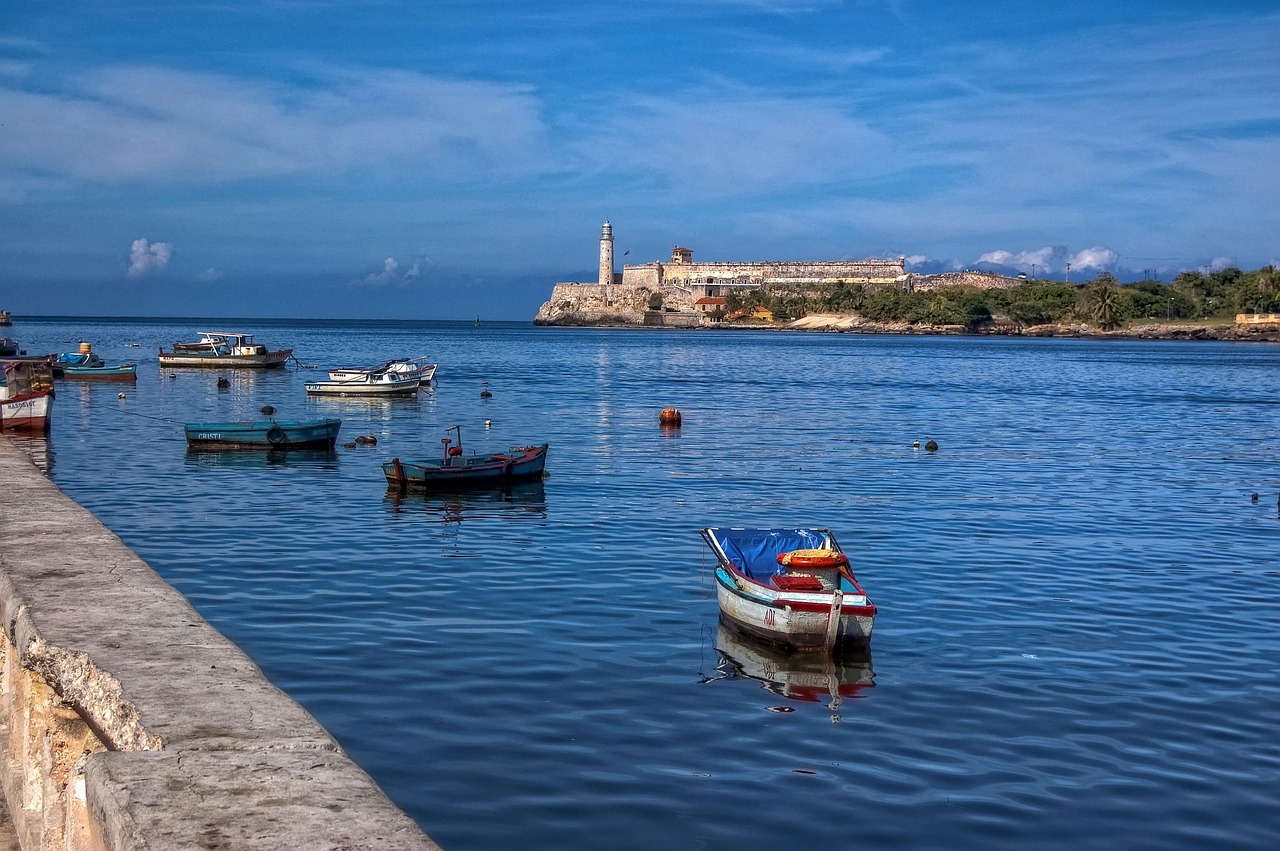
Vista aérea de La Habana, Cuba, con edificios coloniales y autos antiguos en las calles, representando la transición económica del país
In a historic shift that would have been unthinkable just years ago, Cuba's National Assembly of People's Power approved on June 19, 2026 an unprecedented package of economic and social reforms introducing market dynamics into the island's centrally planned economy.
With 23 strategic axes and 176 transformations, the plan seeks to liberalize key sectors to address what officials describe as the worst economic and social crisis in the nation's recent history.
The reform authorizes the creation of private banks, cooperative banks, and foreign financial institutions under supervision of Cuba's Central Bank (BCC). Non-banking financial institutions will also be permitted to provide microcredits—a radical departure from decades of state-only banking.
For context: Since the 1959 Revolution, Cuba has operated with only state-controlled banks. This marks the first time private banking will be legally permitted.
Public corporations will transform into mercantile societies by shares. The private sector and individuals will be able to purchase shares, though the State will maintain majority control in strategic sectors. Bankruptcy and liquidation procedures will be introduced for companies sustaining continuous losses.
A new foreign exchange market with real-time auction systems will be created. The government warned of successive devaluations of the national currency (CUP—Cuban Peso).
Important: For decades, Cuba maintained a fixed exchange rate. This move toward market-determined rates represents a fundamental shift in monetary policy.
The universal subsidy on products and services—fuel, electricity, public transport, and water—will be eliminated. Prices will reflect real costs. A Social Protection Fund will be created for vulnerable citizens registered on a digital platform.
What this means: Cubans have long benefited from heavily subsidized basic services. This reform marks a shift toward targeted assistance rather than universal coverage.
Small and medium enterprises (MIPYMES) will be allowed to hire more than 100 workers. Individuals may hold stakes in multiple companies. The list of prohibited activities will be reduced, and the agricultural sector opens to private enterprises.
The fixed salary scale is eliminated—wages will be negotiated based on each entity's financial capacity. Multiple employment (moonlighting) will be permitted for health, education, and research professionals. Companies may dismiss workers for economic reasons with compensation of 3 to 6 months.
President Miguel Díaz-Canel acknowledged that Cuba faces "the most difficult hours of the century". Prime Minister Manuel Marrero Cruz described an "unprecedented combination" of factors: U.S. sanctions, fuel supply cuts, collapse of foreign currency income, plus "internal inadequacies" of the model.
The Trump administration maintains an offensive against the island including energy restrictions, limitations on international banking, and pressure on the military conglomerate GAESA (Grupo de Administración Empresarial S.A.), which controls approximately half of Cuba's GDP.
To legitimize the reforms, the Executive cited Fidel Castro in 1993, during the Special Period: "Reality obliges us to do what we otherwise would never have done." General Raúl Castro supervised the session remotely, signaling that the regime's historical wing endorses the changes.
Authorities warned that "companies that cannot withstand the devaluation will be liquidated." This represents the deepest economic shift since the reforms initiated by Raúl Castro in 2011.
Approved measures include opening to direct foreign investment in Cuba's private sector. Cuban citizens residing in Cuba or abroad will be able to invest, donate, or contribute technology.
Díaz-Canel requested that the United States allow Cuba to trade, purchase medicines, import fuel, and receive investments, though he clarified these reforms respond not to external pressures but are taken "sovereignly."
The most immediate impact will come through prices. The government announced that products and services will begin transferring their real costs to wholesale and retail prices. The Prime Minister warned about adjustment difficulties but maintained it's necessary to "preserve what is essential."
The plan includes incentives to retain skilled workers with emphasis on youth, amid an intense migratory drain due to economic precarity—Cuba has lost hundreds of thousands of working-age citizens to emigration in recent years.
These reforms signal Cuba's acknowledgment that its traditional economic model is unsustainable. For international observers and potential investors, this creates unprecedented opportunities in banking, agriculture, and various service sectors. However, implementation timelines and regulatory details remain to be clarified. The reforms represent a delicate balance between ideological continuity and pragmatic economic survival.
Alfredo S. Quiroga