19/06/2026 21:55 - Economia
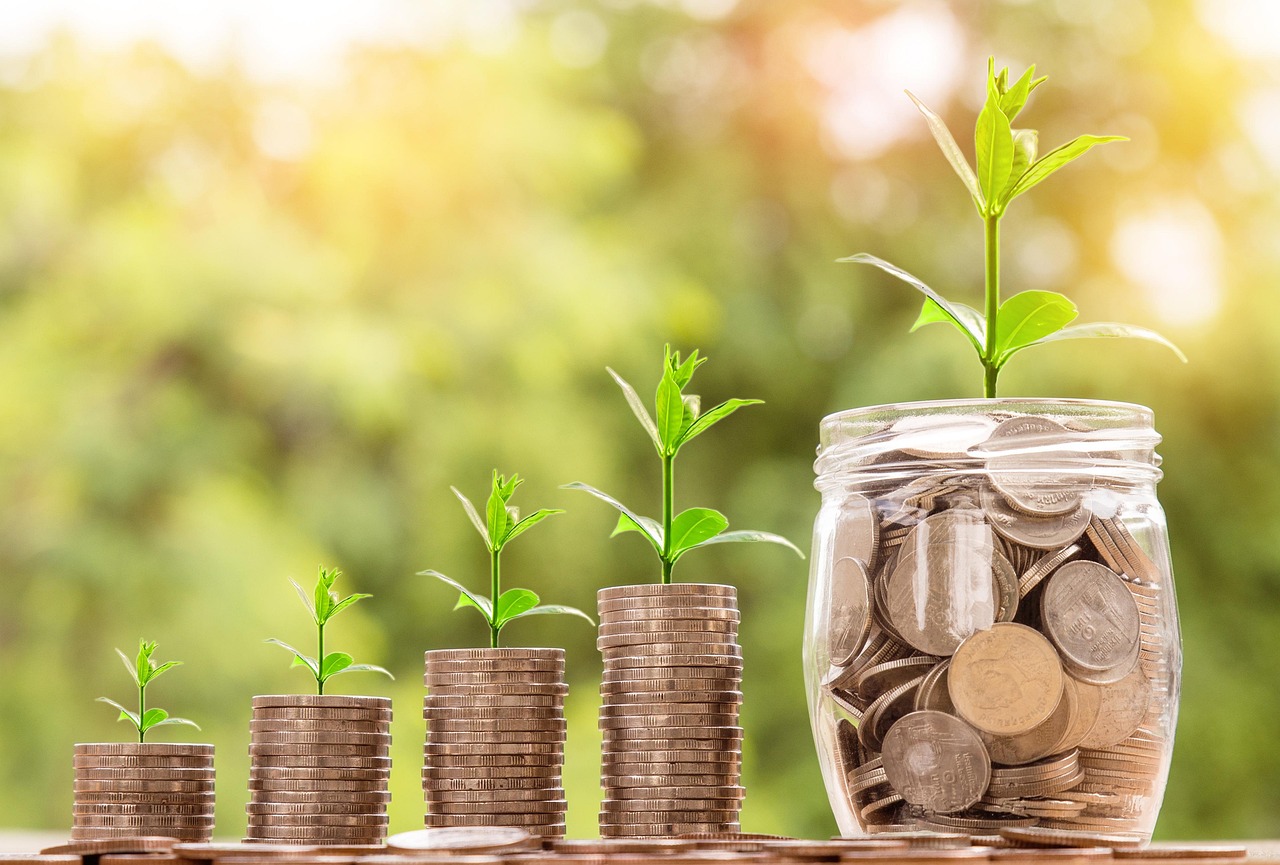
Billetes de dólar estadounidense sobre un gráfico financiero con tendencia ascendente en tonos azules y verdes
For foreign visitors and expats in Argentina, understanding the dólar blue is essential. This is the informal, parallel exchange rate where US dollars are bought and sold outside official channels. Unlike countries where black market currency trading is underground, in Argentina it's an open secret - you'll see cuevas (informal exchange houses) in downtown Buenos Aires, and websites openly publish blue dollar rates.
The blue dollar closed the week of June 19, 2026 at 1,460 pesos (buy) and 1,480 pesos (sell), registering a weekly gain of 20 pesos. For context, the cumulative increase in June stands at 50 pesos (+3.5%).
| Exchange Type | Buy | Sell |
|---|---|---|
| Blue Dollar (informal rate) | $1,460 | $1,480 |
| Official Dollar (bank/government rate) | $1,420 | $1,470 |
| Wholesale Dollar (commercial transactions) | - | $1,451 |
| MEP Dollar (Electronic Market) | $1,474.29 | $1,479.55 |
| CCL Dollar (Cash Settlement) | $1,481.58 | $1,490.79 |
| Card Dollar (credit card purchases abroad) | - | $1,924 |
| Crypto Dollar (stablecoin exchanges) | - | $1,521.23 |
The exchange gap (the difference between official and parallel rates) has historically been a key indicator of Argentina's economic health. In past crises, gaps exceeded 100-200%. Today's narrow 1% gap signals unprecedented convergence under current economic policies.
2%
1.1%
4.8%
Foreign visitors often ask: Why are there so many different dollar rates in Argentina? This is a legacy of strict currency controls (cepo cambiario) that the government has implemented to preserve foreign reserves. Here's a quick guide:
Informal rate for cash transactions. Historically where tourists got the best rate, though the gap has narrowed significantly.
Electronic Market Rate. Legal method to buy dollars through Argentine bonds. Requires a local bank account and takes 1 business day.
Cash Settlement Rate. Similar to MEP but settles faster and is commonly used by investors to move money abroad legally.
The wholesale dollar, which serves as the market reference, consolidated at 1,451 pesos - its highest level since January 12, 2026.
The official retail rate (available at Banco Nación, the national bank) stood at 1,420 pesos (buy) and 1,470 pesos (sell), marking its highest level since February 2, 2026.
The MSCI (Morgan Stanley Capital International), one of the world's leading index providers, decided during the week to keep Argentina in Standalone Market status. This classification is essentially a category for markets with significant restrictions on capital flows.
Analysts note that if Argentina eventually moves to Emerging Market status, it could attract capital inflows of up to USD 4.5 billion. The country was last classified as an emerging market in 2009 before currency controls triggered a downgrade.
For tourists and foreign residents, the current scenario presents a unique situation: the gap between official and parallel rates has narrowed dramatically compared to historical norms. This means:
Foreign credit cards typically use a blended rate close to official plus surcharges (currently around 1,924 pesos). Check with your bank for exact rates.
Bring US dollars in cash. While the premium over official has shrunk, cash dollars are still widely accepted and can be exchanged at cuevas or informal exchange houses.
Sources: Ámbito Financiero, BAE Negocios, BCRA (Central Bank of Argentina). Data as of June 19, 2026. Exchange rates are subject to daily fluctuations. For the most current rates, consult official sources or financial news websites.

Alfredo S. Quiroga