10/07/2026 19:10 - Economia
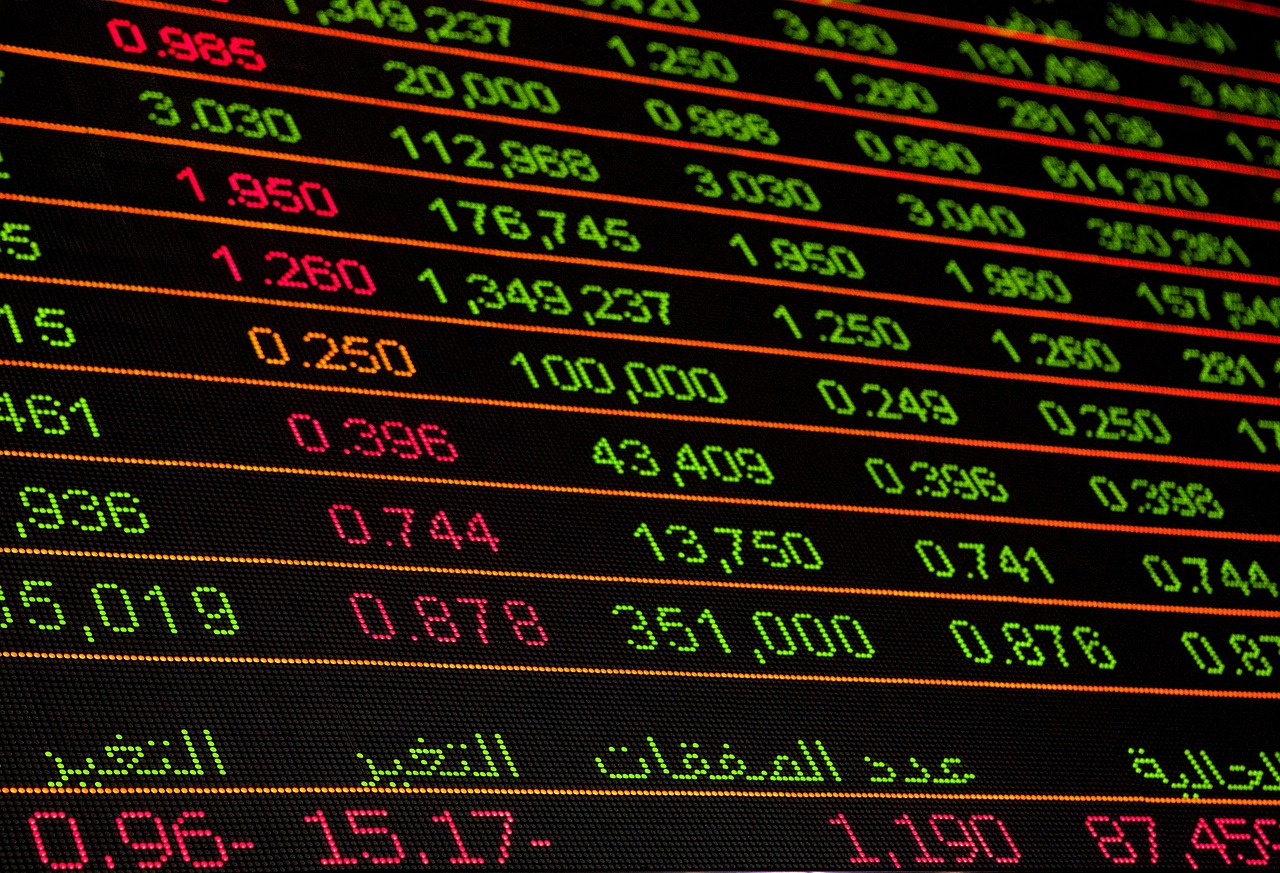
Financial markets presented a highly encouraging panorama for Argentina on July 10, 2026. With the country risk approaching a key psychological barrier and foreign-listed shares experiencing significant gains, optimism is sweeping through investors.
Country risk is an indicator that measures the probability of a sovereign state defaulting on its debt payments. It is expressed in basis points (bps); the lower the number of points, the higher the investor confidence in that country's economy. Reaching 400 points represents a strong vote of confidence from global markets.
The indicator prepared by JP Morgan retreated to 402 basis points, marking a historic floor not seen since April 20, 2018. So far in July 2026, this indicator has accumulated a drop of 5.4%, while throughout the entire year of 2026, the decline reaches an impressive 29.4%, consolidating the improved perception of Argentine sovereign debt.
Shares of Argentine companies listed on the New York Stock Exchange, known as ADRs (American Depositary Receipts), ended the session with outstanding performance, driven mainly by the financial sector. ADRs are negotiable certificates issued by a U.S. bank representing shares in a foreign stock, allowing international investors to trade Argentine companies easily. The highest gains were for:
On the local front, Buenos Aires' S&P Merval index (the main stock market index of Argentina) also followed the external trend with a rise of 2.4%, reaching 3,280,224 points, in a session operated under T+1 modality due to the bridge holiday for Independence Day. T+1 means trades are settled one business day after the transaction.
Dollar-denominated sovereign bonds showed an average increase of 0.5% on Wall Street. According to José María Segura, Chief Economist at PwC Argentina, this rating improvement reflects the market recognizing a macroeconomy with more orderly fundamentals, highlighting the fiscal surplus and lower inflation. The market seems to have begun pricing in that Argentina has left its most acute phase of financial fragility behind.

Alfredo S. Quiroga