10/07/2026 21:32 - Internacionales
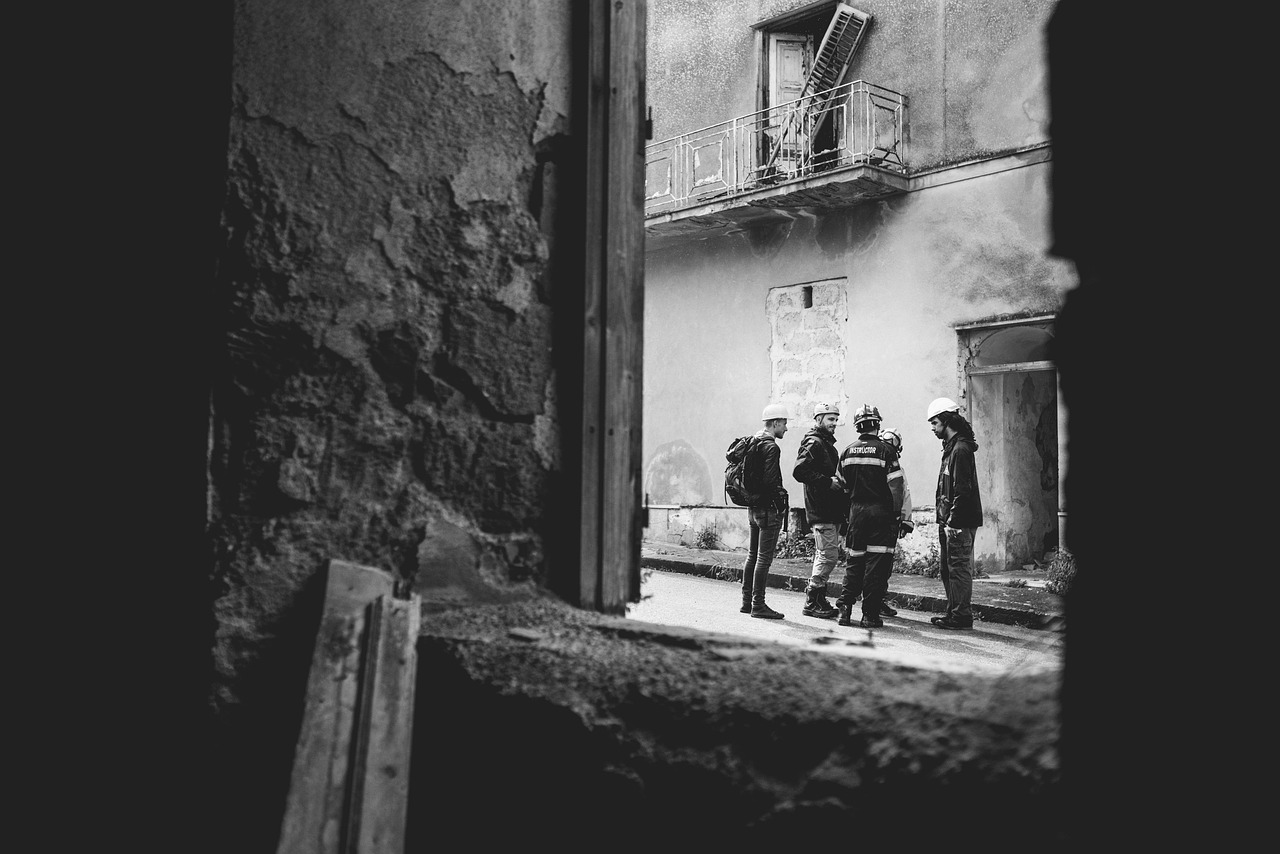
On June 24, 2026, Venezuela faced one of the most severe humanitarian emergencies in its modern history. An unusual double earthquake —two tremors measuring 7.2 and 7.5 on the Richter scale, separated by merely 39 seconds— struck the coast of La Guaira state, a coastal region north of the capital, Caracas. This phenomenon, known in seismology as a double event, prevents structures from recovering from the first impact before the second hits, resulting in the complete collapse of 190 buildings and damage to 856 other properties.
According to reports from July 10, 2026 by the President of the Venezuelan Parliament, Jorge Rodríguez, the death toll reached 4,118 people, while the injured remained at 16,740. Although the pain is immense, hope shines through stories of survival: rescue teams have managed to pull 6,462 people alive from the rubble.
Currently, 17,907 people have lost their homes, but 17,266 victims are sheltered in 89 temporary camps. Authorities have distributed 9,766 tons of food and 13.9 million liters of water. More than 30,000 personnel and nearly 30,000 volunteers are operating on the ground, demonstrating an unprecedented logistical effort.
An aftershock is an earthquake of lesser magnitude that occurs in the same area as the main quake. They happen because the Earth's crust tries to readjust after the shifting of tectonic faults. In Venezuela, since June 24, 1,171 aftershocks have been recorded, including a magnitude 3.9 tremor on July 10, keeping the population alert but causing no new material damage.
The international community has responded to Venezuela's call. The United Nations (UN) issued an urgent appeal to raise nearly $300 million USD for relief operations. In this context, the acting president, Delcy Rodríguez, requested the release of Venezuelan assets frozen abroad. She specifically asked King Charles III to authorize the return of about 30 tons of gold held in the United Kingdom, assets blocked due to international political disputes, valued at approximately $1.9 billion USD, to finance the reconstruction.
One of the most significant supports came from Brazil. President Luiz Inácio Lula da Silva offered his unwavering support during a conversation with Rodríguez. This backing materialized on June 30, when Brazilian Defense Minister José Múcio traveled to Caracas alongside representatives of Caixa Econômica Federal, a major Brazilian state-owned bank, to advance the construction of new housing. Foreign experts are already working in the country to recover infrastructure, gradually returning normalcy to the hardest-hit areas.
Alfredo S. Quiroga