10/07/2026 21:38 - Internacionales
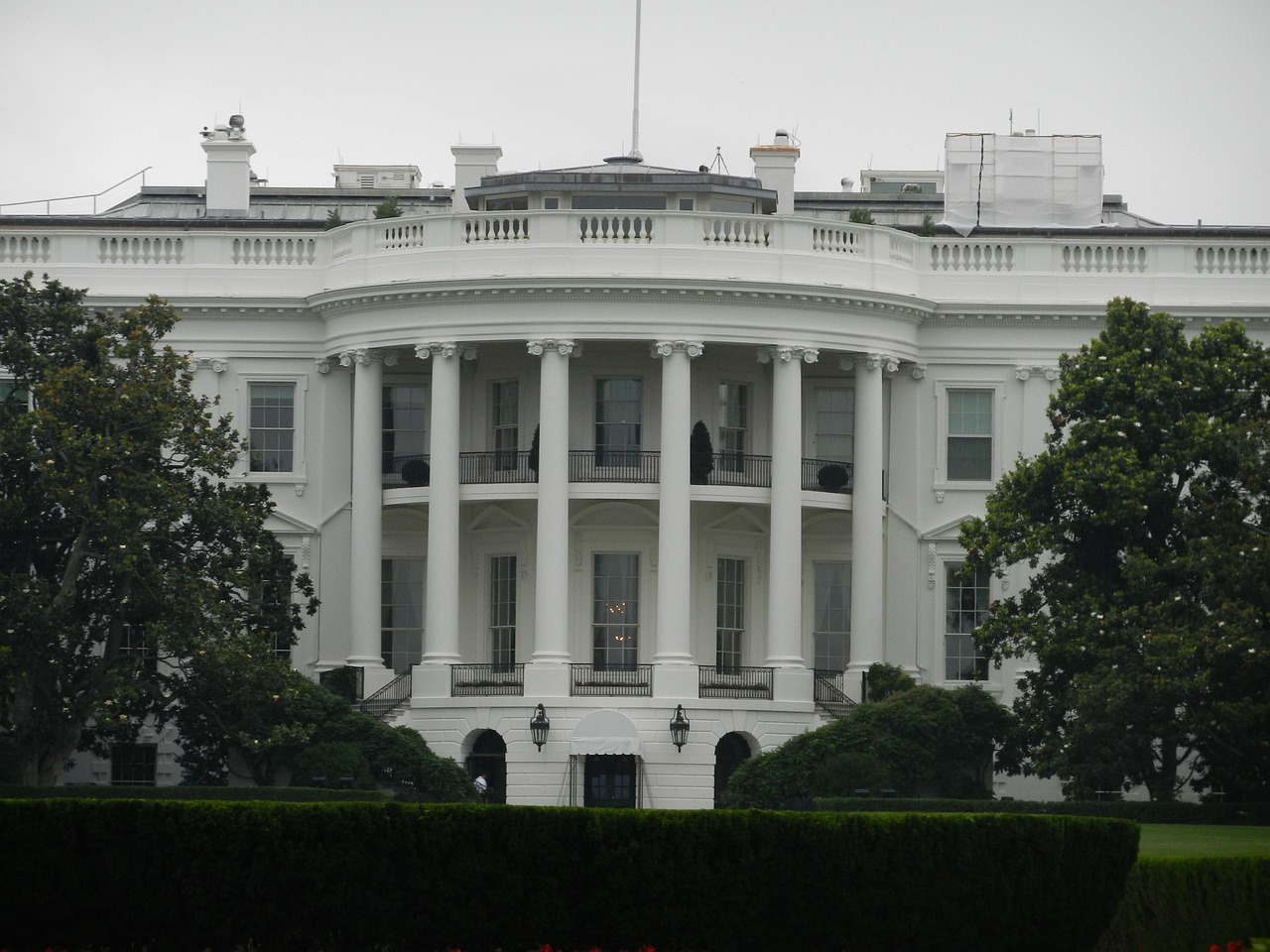
The US president announced the end of the truce, but left the door open to diplomatic talks and avoided confirming a return to full-scale war.
According to an analysis published by CNN en Español, the conflict that began on February 28, 2026, has entered a new phase. After months of trying to maintain a confusing ceasefire, Trump reported on social media that Iran was notified in unequivocal terms that the ceasefire has ENDED.
However, the statement also noted that the United States agreed to continue talks, suggesting an approach focused on pressuring to reach an elusive peace deal, rather than seeking a prolonged conflict.
One of the main tensions lies in the Strait of Hormuz, a narrow maritime route between the Persian Gulf and the Gulf of Oman where 20% of the world's oil passes. Currently, around 6,000 sailors are blocked in the area. The US government is evaluating whether to restore a blockade as a pressure tactic, although so far there are no concrete signs of this.
The end of the ceasefire revives the debate over the War Powers Act, a US federal law meant to check the president's power to commit the US to an armed conflict. The 90-day authorization window for Congress expired at the end of May. Republican senators like Bill Cassidy and Rand Paul could push to end the conflict, especially facing the November 2026 midterm elections, where voters will choose members of Congress.
Despite the declarations, the outlook is not without hope. Countries like Qatar and Pakistan continue mediating between both parties. The international community and the UN maintain their call to de-escalate the conflict, demonstrating that the diplomatic route remains a global priority to achieve peace.

Alfredo S. Quiroga