06/07/2026 09:51 - Politica
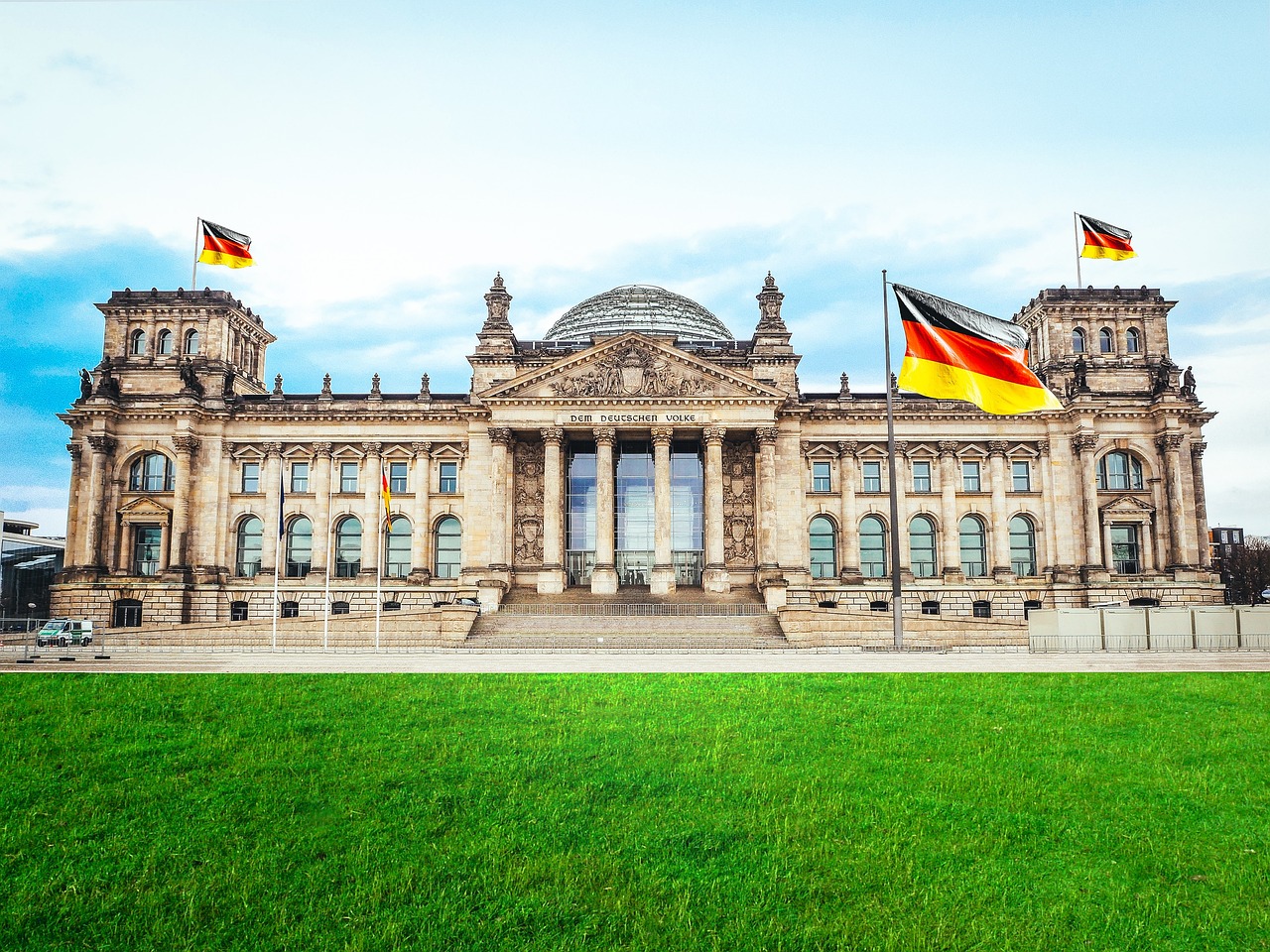
According to recent reports, on June 30, 2026, Diego Santilli formally assumed the role of Chief of Staff (Jefe de Gabinete), marking a significant shift in the organization of the Argentine national government. This transition occurred after Manuel Adorni presented his resignation on June 27, 2026. With this strategic move, the Executive branch aims to strengthen alliances with provincial governors and advance the potential re-election campaign of President Javier Milei.
For international context, the Chief of Staff in Argentina is a pivotal role, acting as the main coordinator between the President and the various government ministries. This transition takes place amid a context of economic stabilization, where the official US dollar exchange rate stands at $1,510 Argentine pesos, and the unofficial 'blue' dollar—a parallel exchange rate widely used in the country—sits at $1,525. Furthermore, the Central Bank's net reserves reportedly exceed USD 48 billion, signaling a relatively stable financial environment for the new administration.
As part of the internal reorganization, the status of several officials appointed during Adorni's tenure is currently under review. Among those whose positions are being evaluated by the new Cabinet leadership are Pablo Ciocchini, Ian Vignale, and Federico Sicilia.
It is also worth noting that rumors circulated in certain sectors regarding alleged illicit enrichment by Manuel Adorni. However, government sources have dismissed these claims, labeling them as a political operation orchestrated by 'Peronism'—Argentina's dominant political movement historically associated with populism and state intervention. The administration has stated that these accusations lack merit and have been formally dismissed.
The cabinet, which was recently streamlined to just 8 ministries via DNU 571/2026 (a Decree of Necessity and Urgency, a presidential tool allowing swift legislative action without immediate congressional debate), faces a robust legislative agenda. The goal is to pass key reforms before the parliamentary winter recess scheduled for July 20, 2026. The Governor of Chubut province, Ignacio Torres, celebrated Santilli's appointment, emphasizing that the government has successfully regained political initiative.
Additionally, within the internal dynamics of the ruling coalition, sources indicate that Karina Milei, the President's sister and a key political figure, is seeking to influence decisions made by the Minister of Security, Patricia Bullrich, looking ahead to the electoral challenges of 2027.
The government is moving forward with a clear horizon: stabilizing economic variables, forging political pacts, and consolidating a long-term project for the country.
Alfredo S. Quiroga