27/06/2026 13:50 - Tecnologia
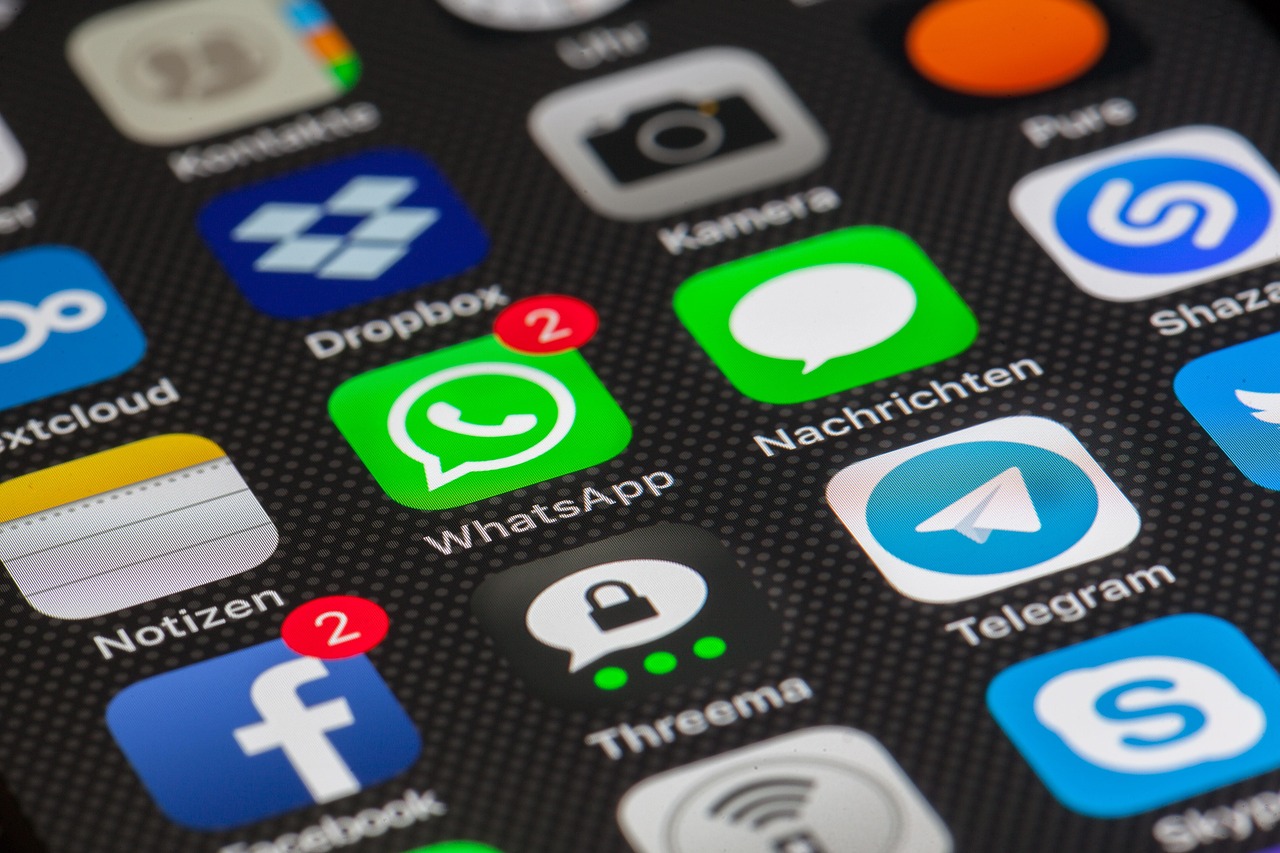
When Australia implemented in December 2025 the world's strictest ban on social media use by minors under 16, the planet watched with a mix of skepticism and admiration. Six months later, that experiment transformed into an unprecedented global movement.
According to data from Tech Policy Press, a nonprofit organization monitoring technology policies, more than 40 countries have initiated legislative efforts to ban or restrict minors' access to social platforms. The question everyone is asking: is this technology's "Big Tobacco moment"?
The regulatory movement didn't emerge from a vacuum. In recent months, school districts, government officials, and thousands of families have filed lawsuits against social media platforms accusing them of harming youth mental health.
A landmark case in California found Meta and YouTube legally responsible for designing deliberately addictive products that hooked young users. Attorney Mark Lanier was blunt during closing arguments: "How do you make a child never put down the phone? That's called addiction engineering. They designed it, put these features in phones".
The accusations include:
The Australian government reported that nearly 5 million accounts identified as belonging to minors were closed. However, a survey by the country's online safety office revealed that approximately two-thirds of young people who had accounts before the ban managed to maintain access.
British Prime Minister Keir Starmer defended the measure against criticism: "Teenagers manage to circumvent other laws too, but we don't say: 'Oh look, a teenager managed to get alcohol somehow, so let's not bother banning alcohol sales to minors.' That would be absolutely ridiculous".
Amnesty International called the Australian ban an "ineffective quick fix" that is "outdated with the realities of a digital generation".
Damini Satija, spokesperson for the organization, stated: "The most effective way to protect children and young people online is by protecting all social media users through better regulation, stronger data protection laws, and better platform design".
Italy has been a notable case. Prime Minister Giorgia Meloni expressed doubts: "I'm not against a social media ban for minors under 16, but I'm not convinced this proposal alone can solve the problem because that kind of ban can be easily circumvented".
India, the world's largest social media market, has not implemented significant restrictions, where the issue remains marginal.
In the country where Big Tech was born, the situation is complex. Florida implemented one of the strictest policies: ban for minors under 14 and parental permission requirement for 15-year-olds. Utah approved similar legislation, but courts blocked certain age verification parameters for violating freedom of expression.
Justin Hendrix, CEO of Tech Policy Press, warns about motivations behind some restrictions: "Some come from socially conservative motivations, about limiting access to pornography or LGBTQ material, and in some cases it's more about concerns about addictions or mental health effects".
The debate isn't limited to traditional social media. The United Kingdom announced its ban will include an age limit of 18 years for romantic chatbots designed to simulate sexual relationships. Canada requires companies behind AI chatbots to implement safety barriers to reduce the risk of harmful content communication.
Norway will impose a near-total ban on generative AI tools in elementary schools and restrict their use among older students.
Not all bans exclusively target child protection. Turkey proposed blocking minors under 15 from social media, including a possible login system through a government portal, raising concerns about the country's history of restricting internet during protests.
Ecuador centered its discussion on banning minors under 15 on preventing criminal organizations from recruiting minors through digital platforms.
Hendrix reflects on the current landscape: "There's a huge amount of activity right now, dealing with this extraordinary amount of technology in children's and teenagers' lives, at home and at school. And when you step back, I think you see it as all one piece: We don't know what we're doing".
The social media experience is weighing on how legislators approach artificial intelligence. As Hendrix notes: "You hear many legislators say: 'We don't want to repeat our mistakes'".
Source: The Guardian

Alfredo S. Quiroga