27/06/2026 09:48 - Tecnologia
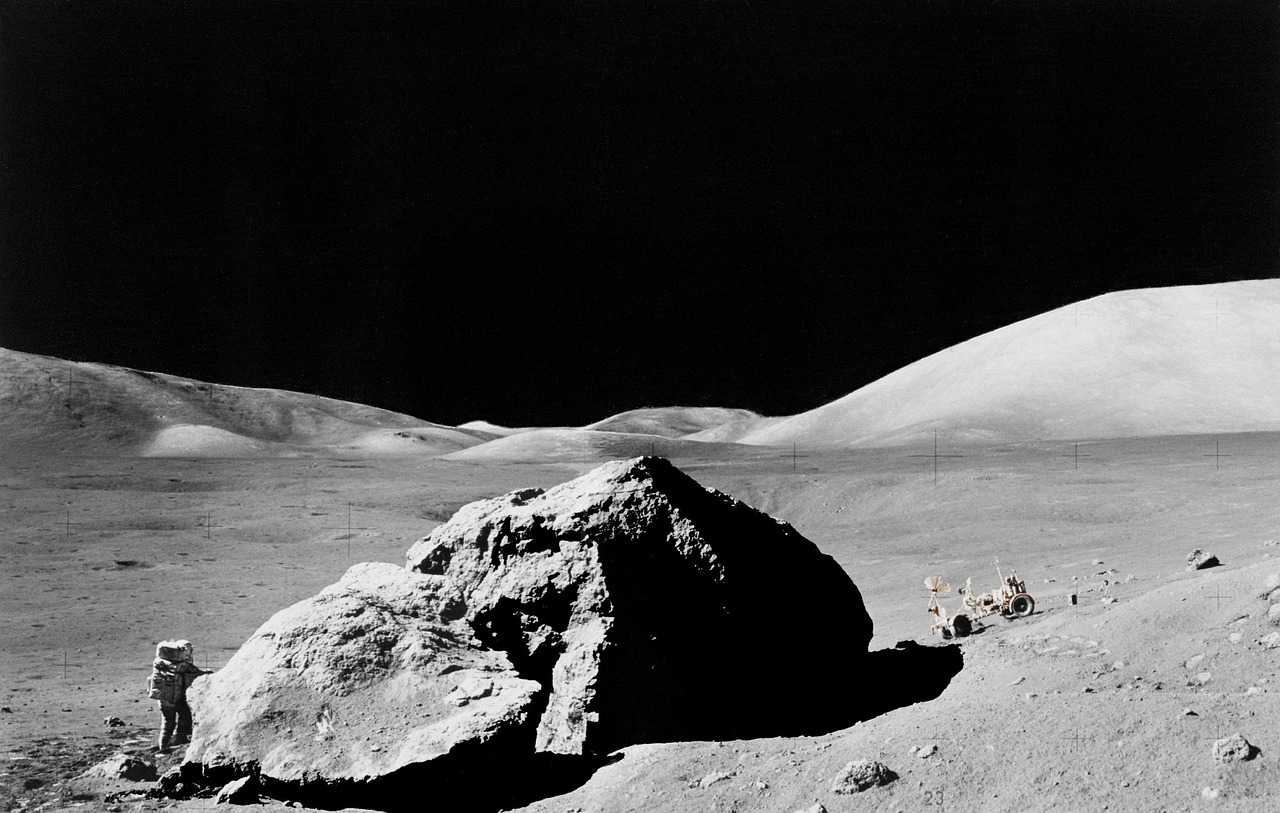
NASA is set to mark a historic milestone in space exploration as Administrator Jared Isaacman leads a virtual presentation on Tuesday, June 30, 2026, at 2:30 PM Eastern Time. The briefing will unveil the most significant advancements of the Lunar Base program.
The event, streamed live on NASA's official YouTube channel, will feature Carlos García-Galán, Lunar Base program director. The main objective is to outline the scientific, technological, and commercial roadmap for establishing permanent operations on Earth's only natural satellite.
The lunar settlement will not happen overnight. It follows a phased strategy, beginning with an accelerated sequence of automated robotic missions. These missions are designed to:
The plan includes up to 25 intermediate missions, with 21 critical landings scheduled.
NASA will coordinate with private industry consortia and international academic centers. Confirmed transport vehicles include:
Blue Moon Mark 1 Endurance
A heavy-cargo lander developed by Blue Origin.
Griffin
Astrobotic's lander, demonstrating commercial safe descent capabilities.
| Technology | Description | Function |
|---|---|---|
| Crewed and Autonomous Rovers | Lunar mobility vehicles | Terrain exploration and preparation |
| MoonFall Drones | 4 aerial exploration units | Surface reconnaissance |
| Orbital Satellites | Dedicated orbital support | Continuous communications and observation |
| Nuclear Power Systems | Radioisotope thermoelectric generators | Survive extreme lunar nights |
The first phase aims to validate systems and leave a physical footprint of four tons of payload on the lunar surface.
NASA strategically chose the Lunar South Pole due to confirmed ice reserves in its craters. This resource is vital for:
From 2029 onward, the project will advance to semi-permanent infrastructure assembly, initiating complex logistics and continuous habitability for astronauts of the international Artemis program.
The Lunar Base will serve as an essential testing ground for future crewed missions to Mars, allowing for the development and refinement of technologies needed for Red Planet exploration.
This announcement follows the success of the Artemis II mission in the spring of 2026, which demonstrated NASA's ability to transport human crews beyond low-Earth orbit. The Artemis program represents the most ambitious international effort to return humans to the Moon since the Apollo missions.
The June 30, 2026 conference marks a turning point in the space race, laying the foundations for sustained human presence beyond Earth and paving the way for solar system colonization.

Alfredo S. Quiroga