27/06/2026 10:46 - Internacionales
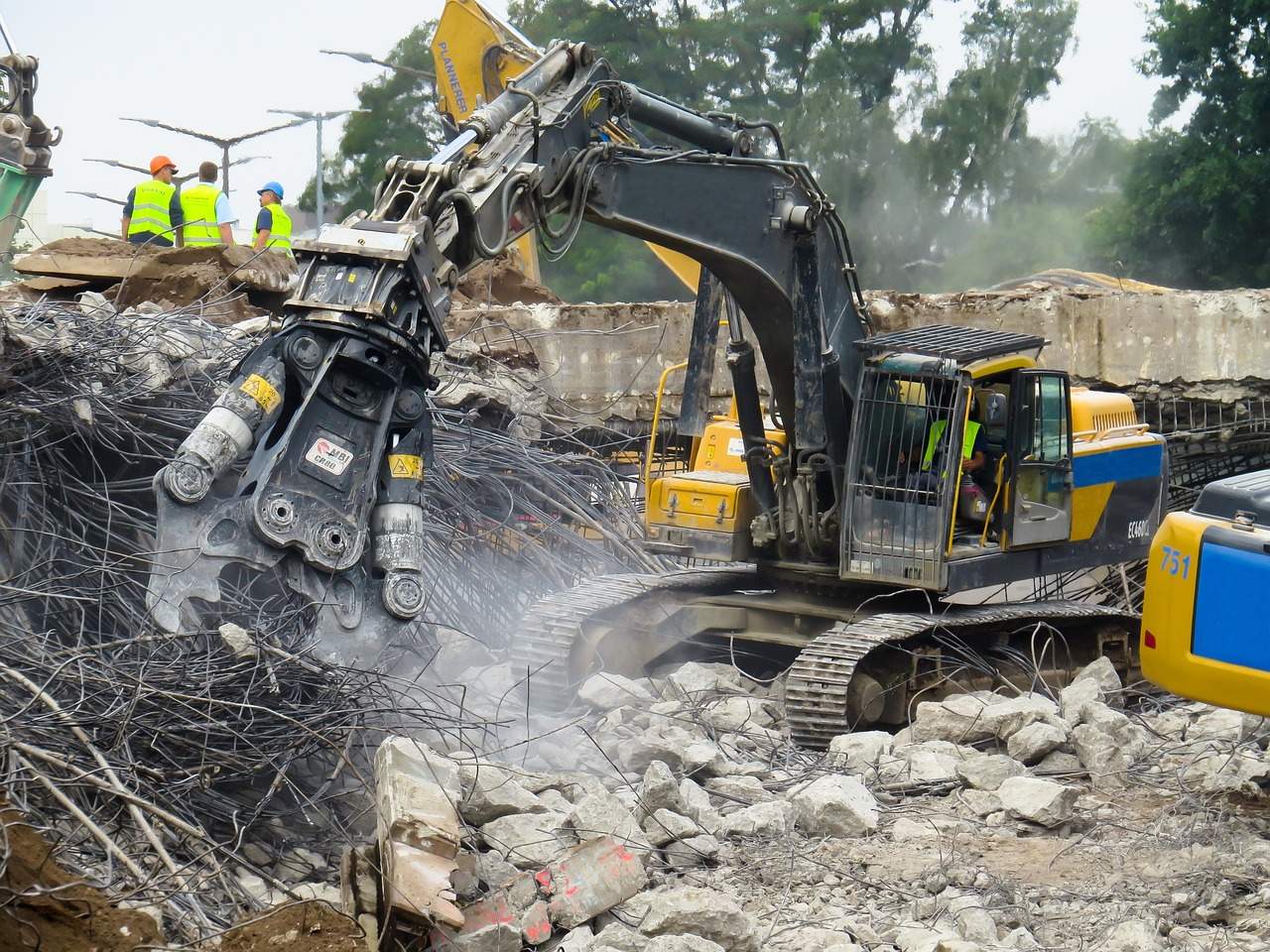
Venezuela is facing its worst seismic tragedy in over a century. Jorge Rodríguez, President of the National Assembly, confirmed on Friday, June 26, 2026 that the number of deaths rose to 920 people, while his sister Delcy Rodríguez, the country's interim president, had previously reported 2,980 injured. There is a discrepancy in the injury figures, as Health Minister Carlos Alvarado had reported more than 4,300 wounded.
The UN estimated that more than 50,000 people remain missing, an alarming figure that reflects the magnitude of the catastrophe. The earthquakes occurred on Wednesday, June 24, 2026, with less than 40 seconds between them.
Two earthquakes of magnitude 7.2 and 7.5 struck the northern coast of Venezuela, with the epicenter near San Felipe, Yaracuy state, approximately 200 kilometers (125 miles) from Caracas, the capital city. The phenomenon was classified as a "seismic doublet"—when two earthquakes of similar magnitude occur in close sequence.
The region of La Guaira, home to the country's main international airport, suffered the most severe damage. More than 100 buildings collapsed, including high-rise apartment blocks such as the OPP 33 building (15 stories) and the seaside Eduard's Hotel.
Rotny Bombart, a 33-year-old paramedic, searched for his mother for five hours in the rubble of the OPP 33 building: "It had 15 floors. Or rather, it used to have them, because nothing remains." He reported that initially there were no government emergency teams at the scene, so neighbors resorted to using their bare hands.
Diego González rescued his cousin Helari Rodríguez, 34, after four hours of work in the remains of the Residencias Belo Horizonte building in Catia La Mar: "People are working with their hands. Tools are essential."
Venezuela, located on the northern coast of South America, has received unprecedented international assistance following the disaster.
| Nationality | Confirmed Deaths | Missing |
|---|---|---|
| Portuguese or of Portuguese origin | 15 | 56 |
| Chinese | 7 | - |
| Spanish | 5 | 99 |
| Brazilian | 2 | - |
| Italian-Venezuelan | 1 | - |
Source: Spanish Ministry of Foreign Affairs and international media.
Experts and citizens questioned the Venezuelan government's lack of preparedness. Orlando Pérez, a Latin America expert at the University of North Texas, stated: "It seems they were not prepared at all."
Jesús Armas, an opposition activist, criticized that rescue teams lacked basic equipment: "No gloves, no helmets, no tools whatsoever." He noted that Venezuela should have been prepared given its location between tectonic plates.
Delcy Rodríguez announced:
The government also requested that companies make heavy machinery available for rescue operations.
The tragedy compounds a pre-existing humanitarian crisis. Venezuela has suffered years of economic deterioration, with nearly 8 million citizens having emigrated to escape the economic crisis and political repression. Experts note that many key professionals—doctors, engineers, civil protection experts—are among those who left the country.
Amnesty International urged the international community to mobilize "urgently" and called for respect for humanitarian standards and human rights in the disaster response. They also demanded the lifting of restrictions on press and communications.
Sources: The Guardian, Reuters, AFP, UN, Amnesty International.
Alfredo S. Quiroga