26/06/2026 22:14 - Economia
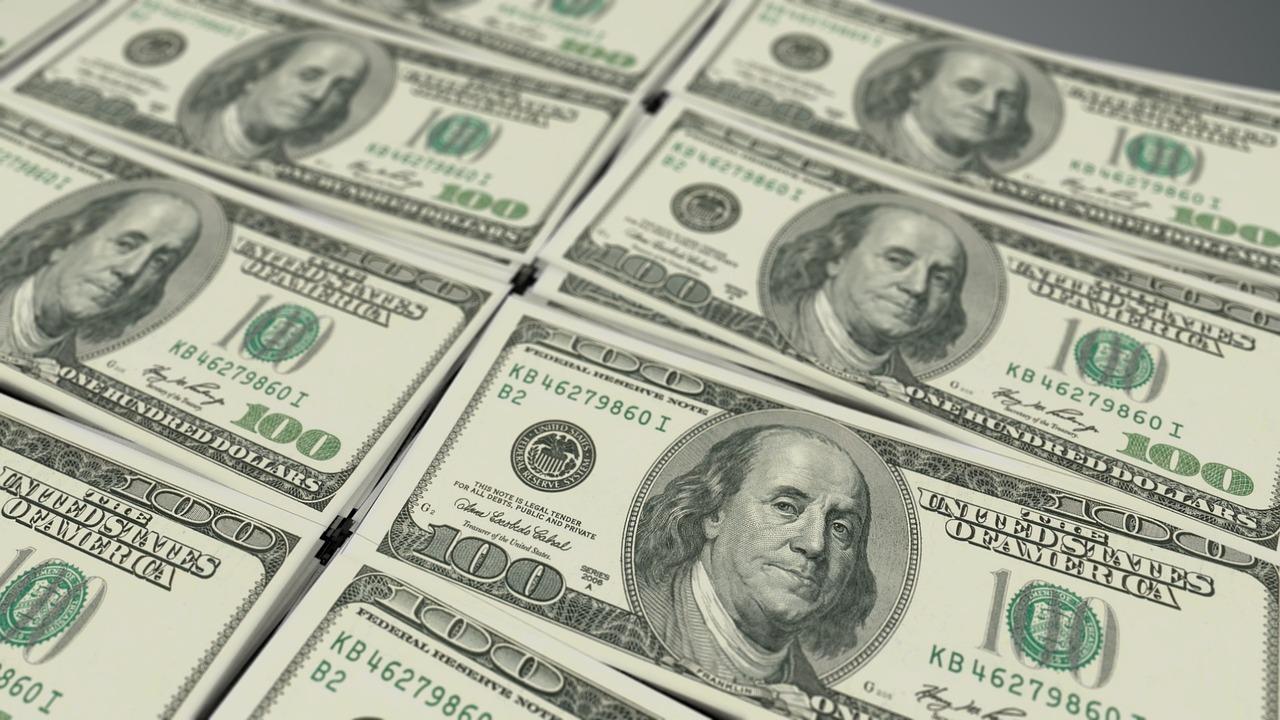
The Central Bank of the Republic of Argentina (BCRA, by its Spanish acronym) has completed 115 consecutive days with a net buying balance in the foreign exchange market—an unprecedented streak that allowed it to accumulate more than USD 11 billion since January 2026. On Thursday, June 25, the bank added another USD 50 million to its coffers, bringing the total accumulated to USD 11,043 million.
Argentina operates with a controlled floating exchange rate system, meaning the Central Bank actively intervenes in the foreign exchange market, buying and selling US dollars to maintain stability. When the bank has a "buying balance," it means it's purchasing more dollars than it's selling—a sign of healthy dollar inflows into the economy.
Official estimates projected a net buying balance between USD 10 billion and USD 17 billion for all of 2026. With the current accumulated figure, the BCRA has already surpassed the lower bound of this projection before the first half of the year concluded.
The highest daily amount recorded was on April 10, when the Central Bank added USD 457 million in a single day—a record for the year. Only on January 2 did the bank register a net selling balance.
During the third week of June, the BCRA accumulated USD 233 million, significantly lower than the USD 436 million from the previous week. The slowdown is attributed to three factors:
June's total purchases reached USD 1,296 million, well below May's USD 2,596 million.
USD 46,961M
Total reserves at closing
In May, reserves grew by USD 3,708 million, reaching the highest level in seven years.
Argentina has multiple exchange rates due to its complex currency controls. Here's a comparison of current rates:
| Exchange Rate Type | Current Value | June 2026 Variation |
|---|---|---|
| Wholesale Dollar (Official) | $1,477 | +4.8% ($69) |
| Official Retail Dollar | $1,495 | +4.5% ($65) |
| Blue Dollar (Parallel) | $1,530 | +5.2% ($100) |
| MEP Dollar (Electronic Market) | $1,505 | - |
| Cash Settlement Dollar (CCL) | $1,554 | - |
The wholesale dollar interrupted a streak of seven consecutive sessions of increases by falling 0.1% on Thursday. The official exchange rate has accumulated a 3.6% increase since June 12.
The BCRA slowed its purchasing pace while the dollar was rising—a decision that signals a shift in strategy. Until now, the government has used the exchange rate as an anchor against inflation.
The recent increase responds to three key factors:
The exchange rate band has a ceiling of $1,799.21, leaving a 21.8% gap before reaching free-floating territory.
The futures market at Matba-Rofex (Argentina's derivatives exchange) is trading:
Leading consulting firms that were most accurate in 2025 project by year-end:
Market Consensus: $1,711 for December 2026.
Santiago Bausili, President of the BCRA, maintains that the evolution of financing factors will be key to maintaining the bank's objectives. Contributions from the agricultural and energy sectors have been fundamental for foreign currency inflows, along with debt issuance by companies and provinces abroad.
The coming weeks will be crucial to observe how the Central Bank balances foreign currency inflows and outflows in a context of lower seasonal supply and increased demand.
Source: iProfesional

Alfredo S. Quiroga