19/06/2026 16:36 - Tecnologia
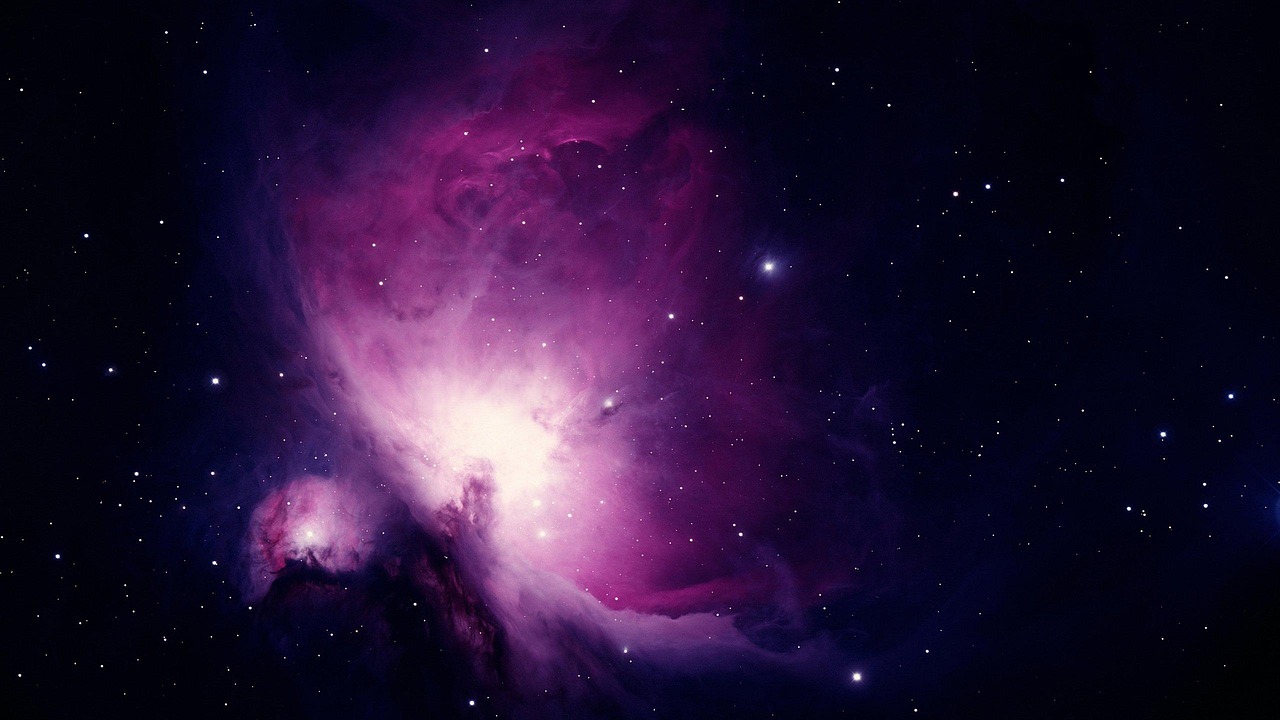
Ilustración digital de un planeta rosado con nubes atmosféricas en el espacio profundo
Since its discovery in 2013, GJ504b has puzzled astronomers worldwide. Popularly known as the "Pink Planet" due to the magenta hue in early artistic renderings, this mysterious object orbits star GJ504 at a distance of 43.5 astronomical units—comparable to the outer reaches of our own solar system.
Its estimated mass ranges between 4 and 30 times that of Jupiter, placing it in the blurry boundary between giant planets and brown dwarfs—objects too massive to be conventional planets yet too small to become stars. For this reason, scientists prefer calling it a "planetary-mass companion."
For years, the largest ground-based telescopes spent entire nights attempting to obtain a usable spectrum from GJ504b without success. The brightness of its host star completely eclipsed the faint light from the object—like trying to spot a firefly next to a stadium floodlight.
The James Webb Space Telescope, with its infrared observation capabilities and advanced processing techniques, managed to separate the planet's light from its star in just two hours. The study was led by Aneesh Baburaj from Northwestern University and published in The Astronomical Journal.
When light passes through an atmosphere, certain gases absorb specific colors. By breaking down this light into different wavelengths, astronomers can identify which molecules are present. It's like a unique chemical barcode for each planet.
Initial atmospheric models didn't match observations: they generated physically impossible atmospheres. The mystery was solved when the team introduced an unexpected ingredient: clouds of metallic salts.
Compounds like potassium chloride and zinc sulfide act as an atmospheric curtain that hides the planet's deeper layers and modifies the light reaching the telescope. This represents the first direct evidence of such clouds on such a cold object.
While on Earth we associate salt with oceans, on worlds with extreme conditions minerals can evaporate, condense, and form floating clouds. GJ504b's sky would be more like an exotic chemical soup than any atmosphere known in our solar system.
The discovery extends beyond GJ504b. For years, astronomers have been trying to study increasingly cold and faint objects because they hold a crucial piece for comparing with giant planets in our solar system, such as Jupiter and its ammonia clouds.
The Webb demonstrated it can separate light from a cold object, extract its spectrum, and force models to incorporate clouds that were previously only theoretical predictions. This opens the door to studying even dimmer worlds, where light arrives as barely a whisper.
Sources: La Razón, Northwestern University, The Astronomical Journal, NASA Exoplanet Catalog.

Alfredo S. Quiroga