19/06/2026 18:40 - Actualidad
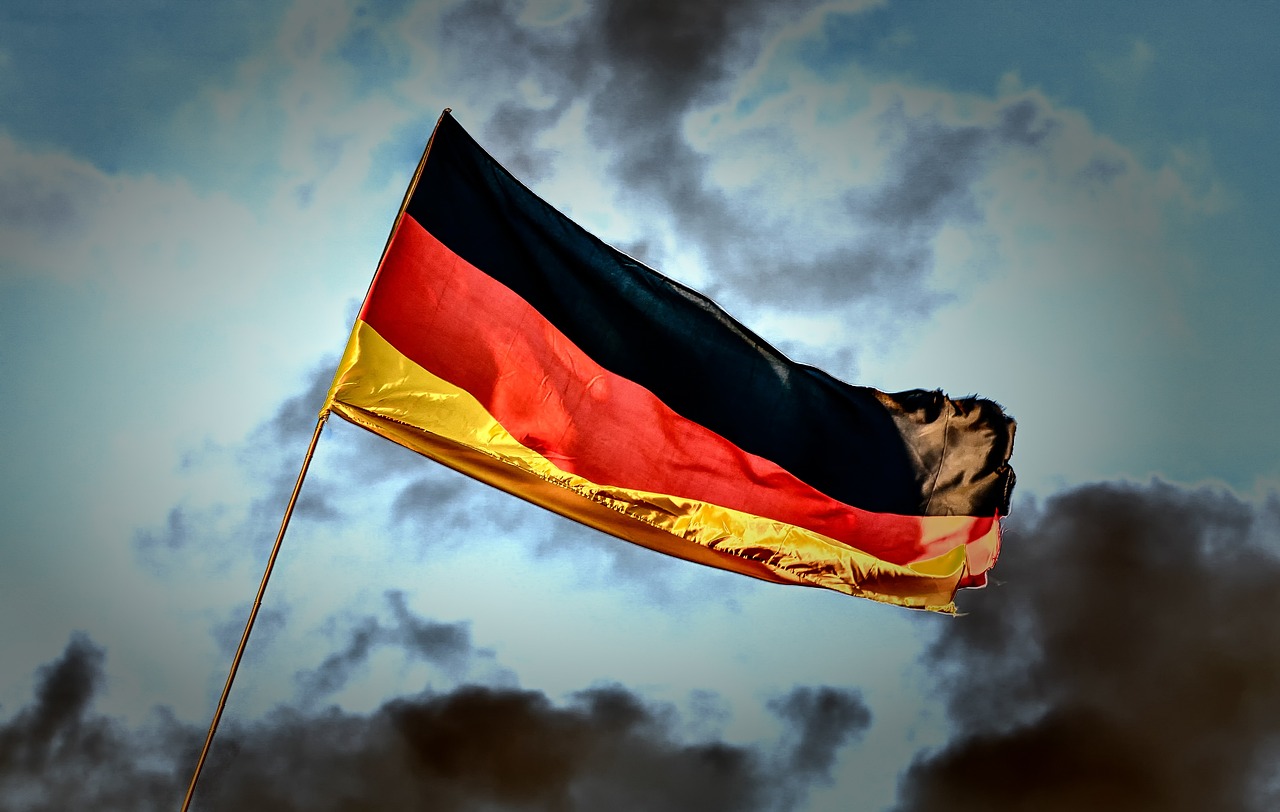
Mástil monumental de 60 metros con bandera argentina flameando en un parque con cerros de fondo, día soleado con cielo azul
On June 20, 2026, Argentina commemorates the 206th anniversary of the death of Manuel Belgrano (1770-1820), one of Argentina's most important founding fathers. This date also marks Flag Day (Día de la Bandera), a national holiday. But behind this patriotic celebration lies a fascinating story of disobedience: Belgrano raised the iconic light blue and white flag without government authorization, an act that could have ended his military career.
For international readers unfamiliar with Argentine history, Manuel Belgrano was a lawyer, economist, journalist, and military leader who played a crucial role in Argentina's independence movement. He is considered one of the "Fathers of the Nation" (Próceres de la Patria), alongside figures like José de San Martín and Julián Álvarez.
Historian Camila Perochena reconstructed the context of this foundational episode in a presentation for Infobae en Vivo. In 1812, the United Provinces (the predecessor to modern Argentina) had not yet declared independence from Spain. The revolutionary government maintained an ambiguous position while King Ferdinand VII remained Napoleon's prisoner in Europe.
Belgrano was stationed in Rosario (now Argentina's third-largest city, about 300 km northwest of Buenos Aires) to organize military batteries along the Paraná River, one of South America's most important waterways.
He needed to distinguish his troops from the royalist forces (those loyal to the Spanish Crown). First, he promoted the use of a cockade (a ribbon rosette worn on hats), and then decided to create a flag with the same colors.
On February 27, 1812, he ordered the first official raising of the flag. But the Triumvirate (the three-member executive government of the time) had not authorized this act.
Authorities responded with a letter severely questioning the decision. The recorded phrase was: "What you did was a burst of enthusiasm" ("Lo que hiciste fue un rasgo de entusiasmo").
The government feared that raising a national flag would be interpreted as a premature declaration of independence, with unpredictable political consequences in an already volatile situation.
However, Belgrano had already departed for the northern front and never received that first communication.
One of the most intriguing aspects is that Belgrano never left a written explanation for why he chose those specific colors. According to Perochena, "He doesn't say: 'I did it inspired by the colors of the Bourbon family'".
However, the colors coincide with those used by the House of Bourbon, the Spanish royal dynasty. In a context where a formal break with the monarchy hadn't yet occurred, this choice would have made political sense as a way to claim legitimacy while asserting local identity.
Other popular interpretations—such as a supposed inspiration from the sky or the mantle of the Virgin of Mercedes (a religious figure venerated in Argentina)—lack conclusive evidence.
For context: The Bourbon dynasty ruled Spain from 1700 until the Napoleonic invasion in 1808. Their colors were white and light blue (celeste), which explains the flag's design.
In the province of San Luis (located in west-central Argentina, part of the Cuyo region), Belgrano's legacy has a profoundly symbolic expression: the Monument of Historical Reclamation to General Manuel Belgrano, located in Toro Negro ("Black Bull"), approximately 65 kilometers north of the city of San Luis.
The monument, inaugurated on June 20, 2005, features a 60-meter-tall flagpole—the tallest in Argentina, surpassing even the iconic National Flag Monument in Rosario. The massive Argentine flag visible from miles away has become a regional landmark.
The complex includes four reinforced concrete standards measuring 20 meters, representing the municipalities of La Calera, Nogolí, Villa de la Quebrada, and Villa General Roca, symbolizing the union of local communities.
Historian Perochena also revealed a lesser-known aspect of Belgrano: before the May Revolution of 1810 (the event that began Argentina's independence process), he promoted a project to crown Carlota Joaquina as regent in the Americas.
"Belgrano supported Carlota Joaquina because he believed she could provide a more reformist monarchy", explained the specialist. The proposal emerged after Napoleon's invasion of Spain and the abdication of the Spanish kings. Carlota Joaquina was the eldest daughter of King Charles IV of Spain and sister of Ferdinand VII, married to the Prince of Portugal.
Years later, during the Congress of Tucumán (1816), Belgrano again proposed a monarchical option: an Inca monarchy. "In Europe, they are all monarchies, there are no republics", the historian recalled about the founding father's reasoning.
Both projects failed, but they demonstrate that choosing a republic was not an obvious decision from the beginning of the revolution, but rather the result of a complex political process.
Every June 20 at Toro Negro, thousands gather at the monument's amphitheater for traditional ceremonies pledging loyalty to the Flag. The celebration honors not just a military leader, but a visionary thinker who promoted education and the welfare of the people—a reminder that national symbols are often born from acts of courage and conviction.
Sources: Infobae | Agencia San Luis
Alfredo S. Quiroga