19/06/2026 04:26 - Economia
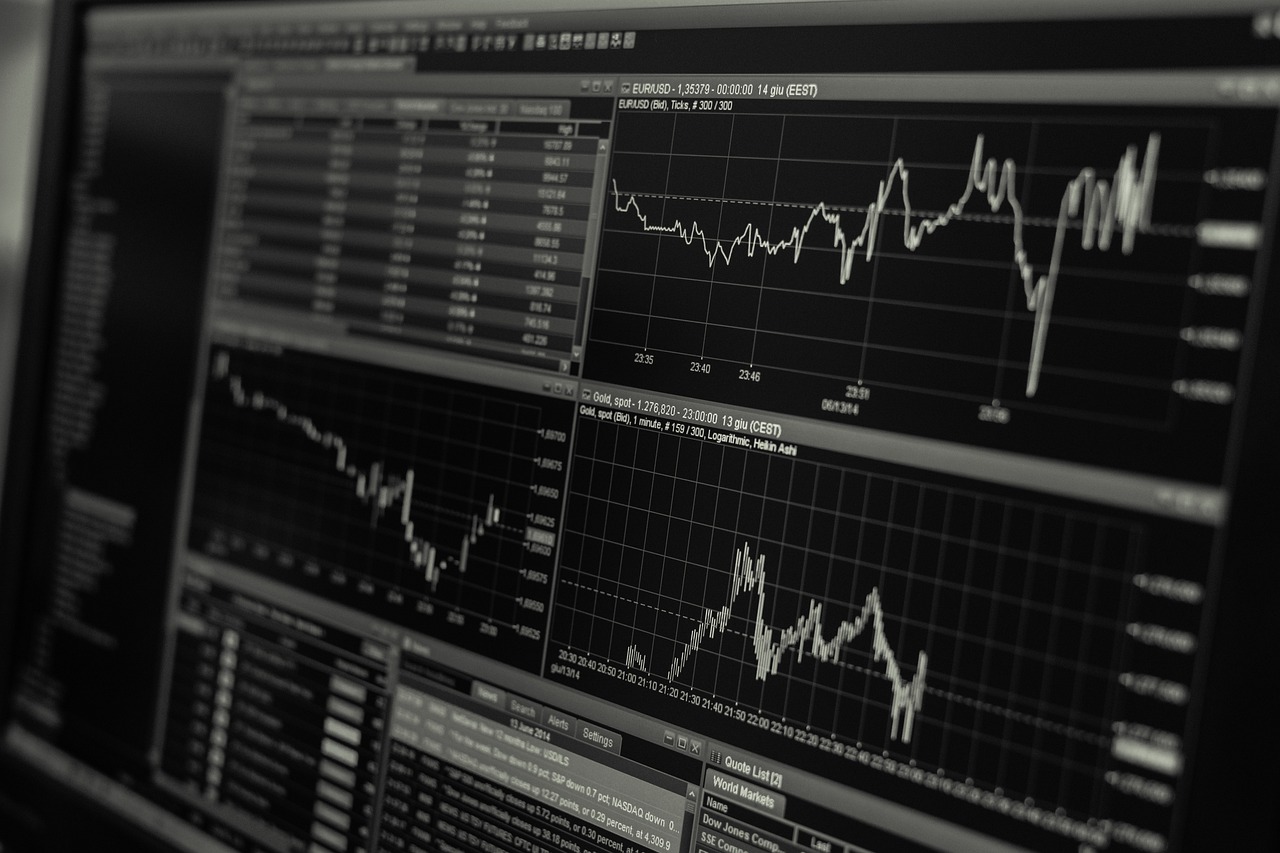
Gráfico financiero con flechas verdes ascendentes, barras de crecimiento del dólar y números en alza sobre fondo de bolsa de valores con tecnología moderna
For foreigners unfamiliar with Argentina's unique economic landscape, the country operates with multiple exchange rates simultaneously. This system, born from strict currency controls implemented years ago, creates different prices for the US dollar depending on how you acquire it.
Thursday, June 18, 2026 marked an important day for the Argentine peso, with significant movements across all dollar segments.
The blue dollar (dólar blue) is the informal parallel exchange rate that exists outside official banking channels. While technically operating in a gray market, it's widely used by Argentines and savvy tourists seeking better rates than the official one.
On this day, the blue dollar rose $10 pesos to close at:
The gap between both rates was only 1%, indicating unusual stability in the currency market. However, this gap tends to widen during times of economic uncertainty.
Foreign investors should also understand financial dollars, which are legal alternatives for acquiring foreign currency through stock market operations:
| Type | Rate (ARS) | Variation | Use Case |
|---|---|---|---|
| MEP Dollar | $1.468,34 | +0.43% | Electronic Payment Market - Popular for tourists with foreign credit cards |
| CCL Dollar | $1.507,12 | +0.1% | Contado con Liquidación - Used for foreign investments |
| Crypto Dollar | $1.517,51 | +0.4% | Cryptocurrency exchange rate |
| Card Dollar | $1.898 | — | Includes 30% PAIS tax + 30% income tax withholding |
Argentine companies listed on the New York Stock Exchange (known as ADRs - American Depositary Receipts) showed strong performance, particularly in the banking sector:
Meanwhile, Tenaris (oil pipelines) fell 3.55% and Telecom Argentina dropped 3.29%, reflecting sector-specific concerns.
Why does Argentina have so many exchange rates?
The country has maintained strict currency controls (cepo cambiario) for years, limiting access to foreign currency. This created multiple parallel markets where the dollar trades at different prices depending on the purpose of the transaction.
Current inflation context: Monthly inflation was recorded at 2.1% in May 2026, one of the lowest in recent years, suggesting economic stabilization.
Country Risk: The JP Morgan index shows Argentina's country risk at 425-430 basis points, the lowest level since April 2018, indicating improved international investor confidence.
Market analysts project the official dollar to reach between $1.629 and $1.658 by end of 2026. The Central Bank (BCRA) has accumulated USD 10.6 billion in net purchases, strengthening reserves.
Key upcoming dates:
Exchange rate ceiling: The current upper band stands at $1.788,47, providing government flexibility in managing the currency.
Sources: El Litoral, Clarín, market data from June 18, 2026. Exchange rates expressed in Argentine Pesos (ARS).

Alfredo S. Quiroga