17/06/2026 15:11 - Politica
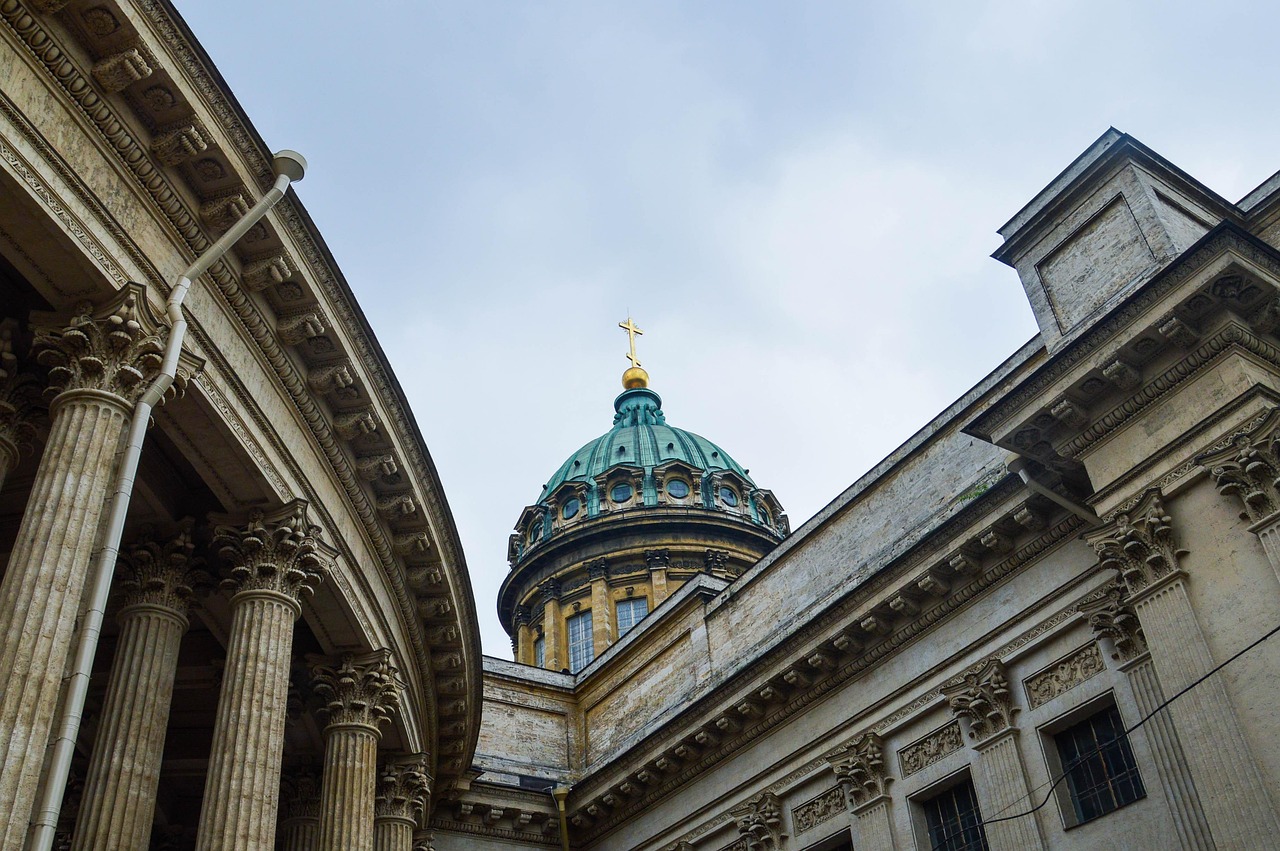
Catedral católica con cúpula dorada y cruz iluminada al atardecer frente a edificio gubernamental moderno en Buenos Aires, representando el diálogo entre la Iglesia y el Estado argentino
The Argentine Episcopal Conference (CEA)—the governing body of the Catholic Church in Argentina—has issued a statement directly challenging the Private Property Inviolability Law proposed by President Javier Milei's administration. According to sources close to the episcopate consulted by Imago, bishops expressed deep concern about the implications this legislation would have on the State's capacity to regulate economic activities and safeguard the general interest.
The bill, part of the libertarian government's reform package, aims to establish reinforced constitutional guarantees for private property, significantly limiting the State's faculties to intervene in economic, environmental, and social matters.
Context for International Readers: Javier Milei, an economist and former TV pundit, won Argentina's presidency in November 2023 on a radical libertarian platform promising to drastically reduce the State's role in the economy. His policies have sparked intense debate in a country with a strong tradition of state intervention and Catholic social thought.
The ecclesiastical hierarchy maintains that:
This tension adds to an already complex moment for Milei's government:
The Catholic Church has historically taught that private property serves a social function. The Catechism of the Catholic Church states that "the universal destination of goods ordains that private property also be ordered to the common good." This doctrinal position has been reiterated by popes from Pope Leo XIII (1891) to Pope Francis, the first Latin American pontiff.
"The Christian tradition has never recognized the right to private property as absolute and untouchable, but has understood it within the framework of the common right of all humans to use the goods of creation." — Pope Francis, Fratelli Tutti (2020)
Pope Francis, born Jorge Mario Bergoglio in Buenos Aires, served as Archbishop of that city before his election in 2013. His encyclical Fratelli Tutti emphasizes that property rights are secondary to the universal destination of goods.
The Private Property Inviolability Law seeks to elevate to constitutional status reinforced protections for property, limiting the State's powers to intervene, expropriate, or regulate economic activities. Critics warn it could affect:
| Area | Potential Impact According to Critics |
|---|---|
| Labor rights | Limitations on regulating working conditions |
| Environmental protection | Reduced authority to impose ecological restrictions |
| Economic policy | Reduction of state intervention instruments |
| Consumer rights | Possible weakening of protective regulations |
The relationship between the Catholic Church and Milei's government has been volatile since the administration began in December 2023. Milei, a self-described "anarcho-capitalist," has criticized Church management while bishops have expressed concerns about social and economic policies.
This new chapter joins previous debates over labor reforms, pension changes, and the "Omnibus Law"—a comprehensive reform package—where the Church also defended the rights of the most vulnerable.
About Argentina: With approximately 62 million baptized Catholics (about 77% of the population), Argentina has one of the largest Catholic populations in the world. The Church maintains significant cultural and political influence despite declining regular religious practice.
Source: LA NACIÓN - Read original article

Alfredo S. Quiroga