01/07/2026 22:14 - Economia
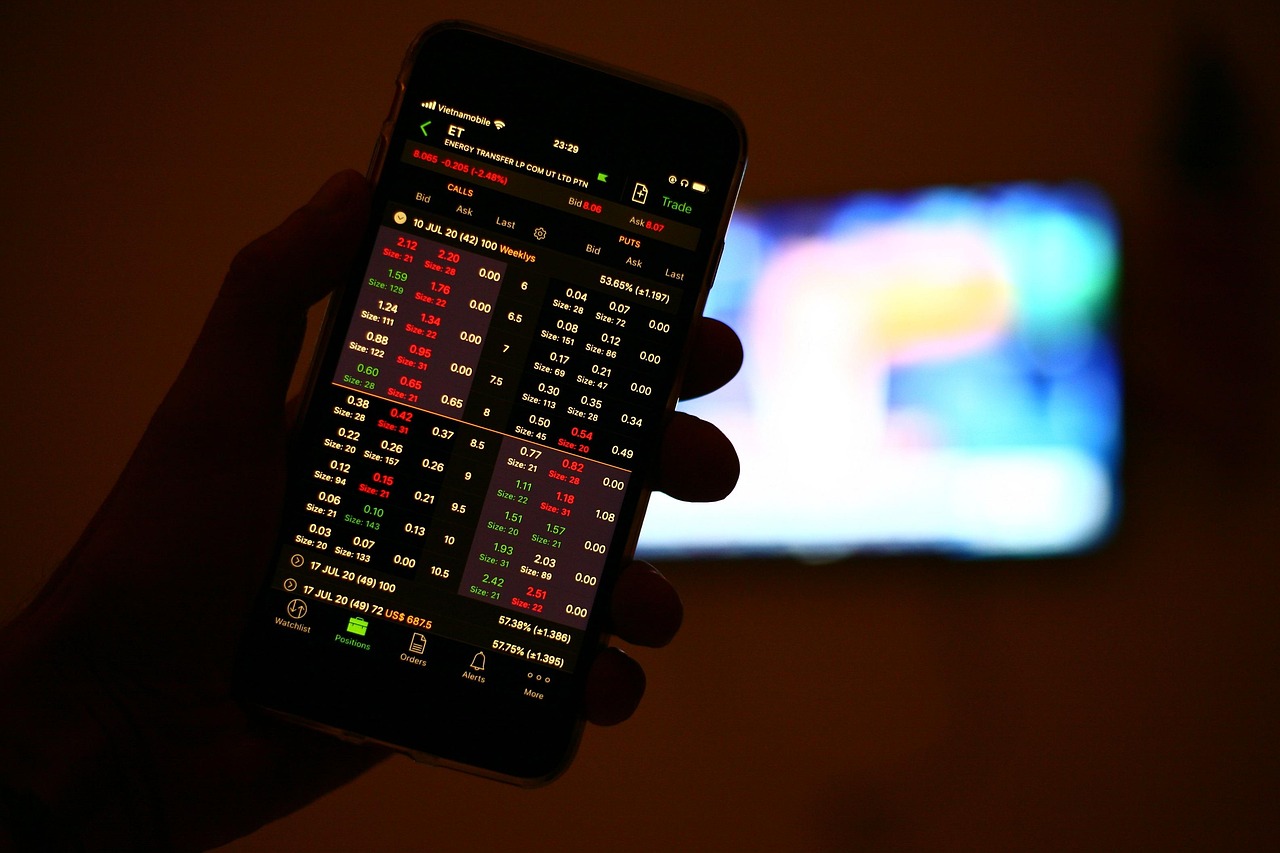
Monday, June 30, 2026 will be recorded in financial history books: the Dow Jones Industrial Average broke through the 52,000-point barrier for the first time, marking a milestone in the trajectory of the U.S. stock market. This record represents the culmination of Wall Street's best quarter since the pandemic, driven by expectations of more flexible monetary policies and a transitioning global economic landscape.
The S&P Merval—Buenos Aires' benchmark stock index—followed the upward trend, advancing 1.7% to reach 3,176,751 points. Meanwhile, Argentine ADRs (American Depositary Receipts—certificates representing shares of foreign companies traded on U.S. exchanges) registered gains of up to 4.1% during the session, benefiting from global optimism and improving local macroeconomic fundamentals.
Dollar-denominated sovereign bonds delivered an exceptional June performance, accumulating gains of up to 4.4% for the month. The Global 2030 bond led the gains with a 1.4% advance in the final session, offering yields of 6-7% in dollars—attractive returns for international investors seeking emerging market opportunities.
The country risk index measured by JPMorgan closed at 426 basis points, its lowest level since 2018, representing a 14% decline during June. This metric—which measures the yield spread between Argentine bonds and U.S. Treasury bonds—reflects the improved perception of the country's credit risk among international investors.
The Central Bank of Argentina (BCRA) accumulated purchases totaling USD 11 billion during the first half of 2026, exceeding the USD 10 billion target. International reserves stood at USD 47.081 billion—a robust level providing strong backing for monetary policy.
The trade surplus accumulated a record USD 11.783 billion between January and May 2026, consolidating an economic model based on genuine foreign currency generation and strengthening of the external sector. This surplus is crucial for Argentina, as it helps build dollar reserves without relying on external borrowing.
Rating agencies S&P and Fitch upgraded Argentina's credit rating to B-, recognizing progress in macroeconomic stabilization. However, MSCI decided to maintain Argentina as a standalone market status (a classification separate from emerging markets), which triggered a 5% decline in the dollar-measured Merval index.
According to projections by BBVA Research, inflation is estimated at 29% for 2026 and 20% for 2027, while the official exchange rate could reach $1,504 ARS per dollar in July and $1,653 ARS by December 2026.
The official exchange rate closed June at $1,500 ARS (selling price), rising nearly 5% during the month, while the wholesale dollar stood at $1,481.50 ARS. The blue dollar (the informal parallel exchange rate that many Argentines use) traded between $1,510 and $1,515 ARS.
Analysts remain divided on strategy: 3 recommend buying, 1 selling, and 4 advise caution, reflecting uncertainty about the pace of depreciation versus interest rates near 2% monthly.
On July 9, 2026, USD 4.3 billion in bonds held by private investors mature, while between August and September, USD 800 million will be paid to the International Monetary Fund (IMF). These obligations represent a test for the reserve accumulation policy.
In the session of July 1, 2026, the BCRA intervened in the foreign exchange market by selling futures contracts and dollar-linked securities totaling approximately USD 500 million to curb the dollar's rise, employing a strategy seeking to limit volatility without defending a specific exchange rate level.
Despite a negative day for some regional markets, the balance of the first half of 2026 shows significant progress: country risk at historic lows, bonds with attractive yields, solid reserves, and record trade surplus. Sebastián Beato, president of ACARA (the Argentine automotive industry association), projects recovery signals for the automotive market in the second half, while financial operators anticipate the exchange rate could end the year above $1,600 ARS according to Max Capital projections.

Alfredo S. Quiroga