30/06/2026 22:51 - Deportes
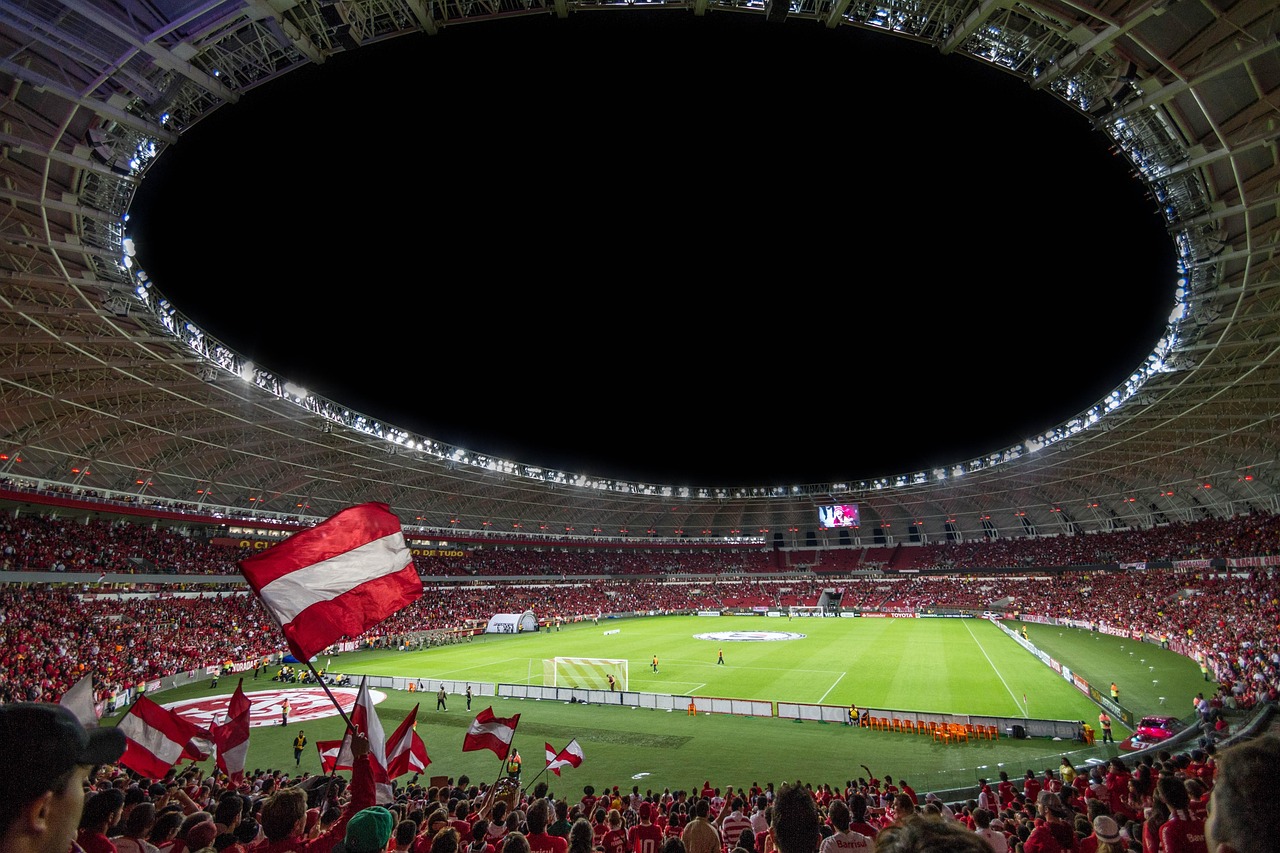
What should have been a smooth arrival in Mexico City turned into a genuine ordeal for Ecuador's national team. The squad, managed by Argentine coach Sebastián Beccacece, departed from Columbus, Ohio bound for the Mexican capital, but the flight suffered a delay of more than three hours beyond the scheduled itinerary.
"A flight delay, then the transfer to the hotel... in the end it was a nine-hour journey; we took three hours longer than planned," the Argentine coach stated at the press conference. The delegation was originally scheduled to arrive at The Westin Hotel in Santa Fe at 17:00 local time, but finally stepped into their accommodation only at 20:20.
Ecuador's strategy was not random. The South American side deliberately planned a last-minute arrival to minimize the effects of Mexico City's altitude, sitting at 2,200 meters above sea level.
As explained by the Associated Press, sports scientists recommend two approaches to this physiological challenge: either a prolonged acclimatization period of at least two weeks, or the method of arriving as close as possible to kickoff time, before acute symptoms appear. Ecuador chose the second option—the same approach typically used by major American league teams when visiting the Mexican capital.
Context for international readers: Mexico City's elevation is comparable to parts of the Rocky Mountains. At this altitude, the air contains about 22% less oxygen than at sea level, which can significantly impact athletic performance within 24-48 hours of arrival.
The problems did not end with the hotel arrival. After midnight, dozens of Mexican fans gathered outside the Westin and held a loud vigil with horns, megaphones, pots and pans, drums, high-volume music, and fireworks, while chanting slogans like "Ecuador no duerme" (Ecuador doesn't sleep).
The action, organized through social media, responds to a tradition deeply rooted in Latin American football: serenatas outside visiting teams' hotels. Over the years, these have ceased being a show of support for the local team and become a tool for psychological wear.
Cultural note: In Latin American football culture, these hotel "serenades" are a controversial tactic where local fans try to disrupt the visiting team's sleep. While technically legal, they're often criticized as unsportsmanlike conduct.
The Ecuadorian delegation requested police intervention and attempted to relocate players to rooms further from the noise, though there was no availability at the hotel. Security forces arrived past midnight, but the chanting continued for several more minutes.
In response, the Ecuadorian Football Federation (FEF) issued an official statement announcing a formal complaint to tournament organizers.
"This behavior is far from the principles of fair play, equity, and unity that a World Cup should represent," the organization stated.
The federation made a respectful call to the competent authorities to adopt the necessary measures to "safeguard the integrity of our players, technical staff, and fans," expressing confidence that the events would not tarnish "the football celebration that unites two brother countries."
The statement closed with a forceful declaration: "Ecuador will always respond on the pitch to these unsportsmanlike actions."
Despite the incidents, the Argentine coach preferred not to use them as justification: "I'm not annoyed, I'm very grateful and joyful. Obviously we're a bit more tired. How could I be upset about being at a World Cup?"
Beccacece added: "Our team is prepared to make history. I trust the work that brought us here. We want to show our rebellious spirit. Hopefully tomorrow we won't talk about the refereeing, only about the game both national teams can display."
Competition: Round of 16 - World Cup 2026
Venue: Estadio Azteca (Mexico City)
Date: Tuesday, June 30, 2026
Kickoff: 22:00 (Argentina time)
Ecuador Coach: Sebastián Beccacece (Argentina)
Format: Single-elimination knockout

Alfredo S. Quiroga