29/06/2026 06:04 - Actualidad
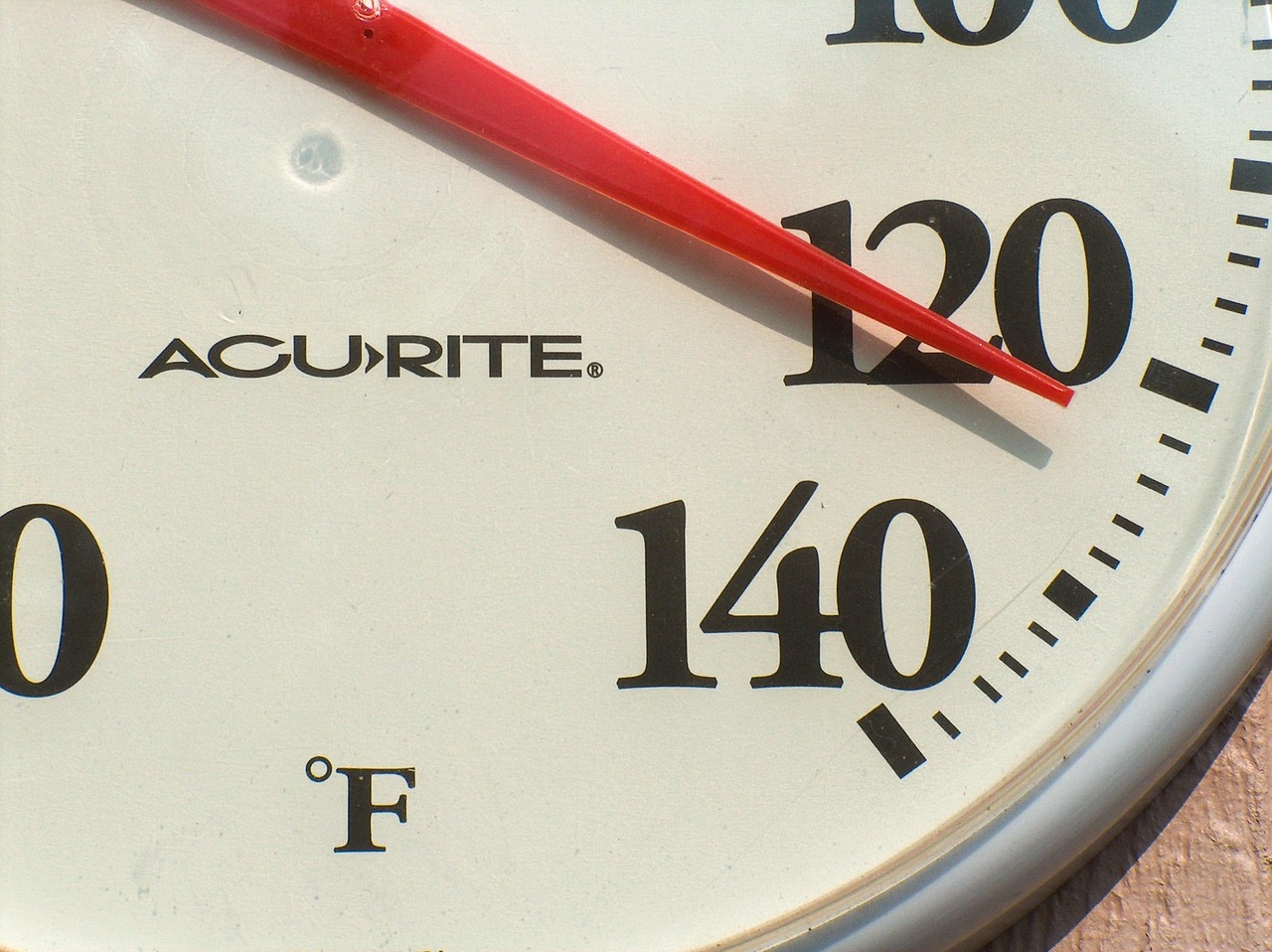
Europe is experiencing the most intense heat wave since records began, with a devastating toll exceeding 1,300 deaths since June 21, 2026. Scientists describe the phenomenon as "nothing short of phenomenal" and warn that what was once rare now repeats with alarming frequency.
According to the World Meteorological Organization (WMO), 191 million Europeans have experienced temperatures of at least 35°C this Sunday, while 150 million people live under extreme heat. The episode, active since June 18, began in the Iberian Peninsula and moved toward the center and east of the continent.
The public agency Santé France reported that between June 24 and 27, approximately 1,000 more deaths than usual were recorded, a figure authorities directly link to extreme heat.
France's Health Minister stated that deaths will "probably" not reach the levels of August 2003, when excess mortality reached 15,000 people.
Germany rewrote its meteorological history in just 72 hours with three consecutive absolute records:
| Date | Temperature | Location |
|---|---|---|
| Friday 06/26 | 41.3°C | Saarbrücken |
| Saturday 06/27 | 41.5°C | East of the country |
| Sunday 06/28 | 41.7°C | New national record |
Nights offered no relief either: Kubschütz recorded a minimum temperature of 29.4°C, the highest nighttime value in Germany's history.
June record: 37.3°C in Santon Downham
London: near 40°C
641 life-threatening emergencies (historic record)
More than 320 heat-related deaths (June 21-26)
Bilbao: exceeded 42°C
Andalusia: reached 45°C
Austria: Vienna reached 40°C for the first time
Czech Republic: 40.6°C in Doksany (record)
Denmark: 37°C in Ødum (record since 1874)
An analysis of 854 European cities conducted by the World Weather Attribution group found that nearly half exceeded or will exceed their historical thermal stress records this month. In countries like the Czech Republic, Lithuania, and Luxembourg, all analyzed cities recorded unprecedented temperatures.
This heat wave would have been 2°C cooler in 2003 and 3.5°C cooler in 1976, according to scientific analysis.
Warm nights are now 100 times more likely than in 2003, preventing nighttime thermal recovery.
Sarah Perkins-Kirkpatrick, climate scientist at the Australian National University, told Nature magazine: "What used to be rare has become a regular event. Temperature records are being broken everywhere and by considerable margins."
Erich Fischer, researcher at the Swiss Federal Institute of Technology (ETH), compared the situation to "a high jump where the record is surpassed by half a meter, not by one or two centimeters."
The annual report on the State of the Climate in Europe concluded that the continent is warming 0.56°C per decade since the mid-1990s, double the global rate, only surpassed by the Arctic.
Tedros Adhanom Ghebreyesus, WHO Director-General, warned: "Europe is the fastest-warming continent on Earth. European homes, workplaces, and schools were not built for these temperatures."
Samantha Burgess, deputy director of the Copernicus Climate Change Service, was emphatic: "Heat waves have come to stay, until we close the tap on global emissions. They are more frequent, more intense, and last longer."
The Austrian F1 Grand Prix was declared a "heat hazard" for the first time in European history, acknowledging extreme risk for drivers and spectators.
The WHO warns that the impact goes beyond direct mortality. Heat stress, known as the "silent killer," especially affects communities whose infrastructure isn't prepared for such high temperatures.
The "urban heat island" phenomenon occurs in densely built cities without adequate vegetation. This effect prevents nighttime thermal recovery, increasing risks of heat stroke, dehydration, and kidney, heart, or respiratory problems.
Sources: Infobae | Infobae Science | Mendoza Post

Alfredo S. Quiroga