27/06/2026 09:37 - Economia
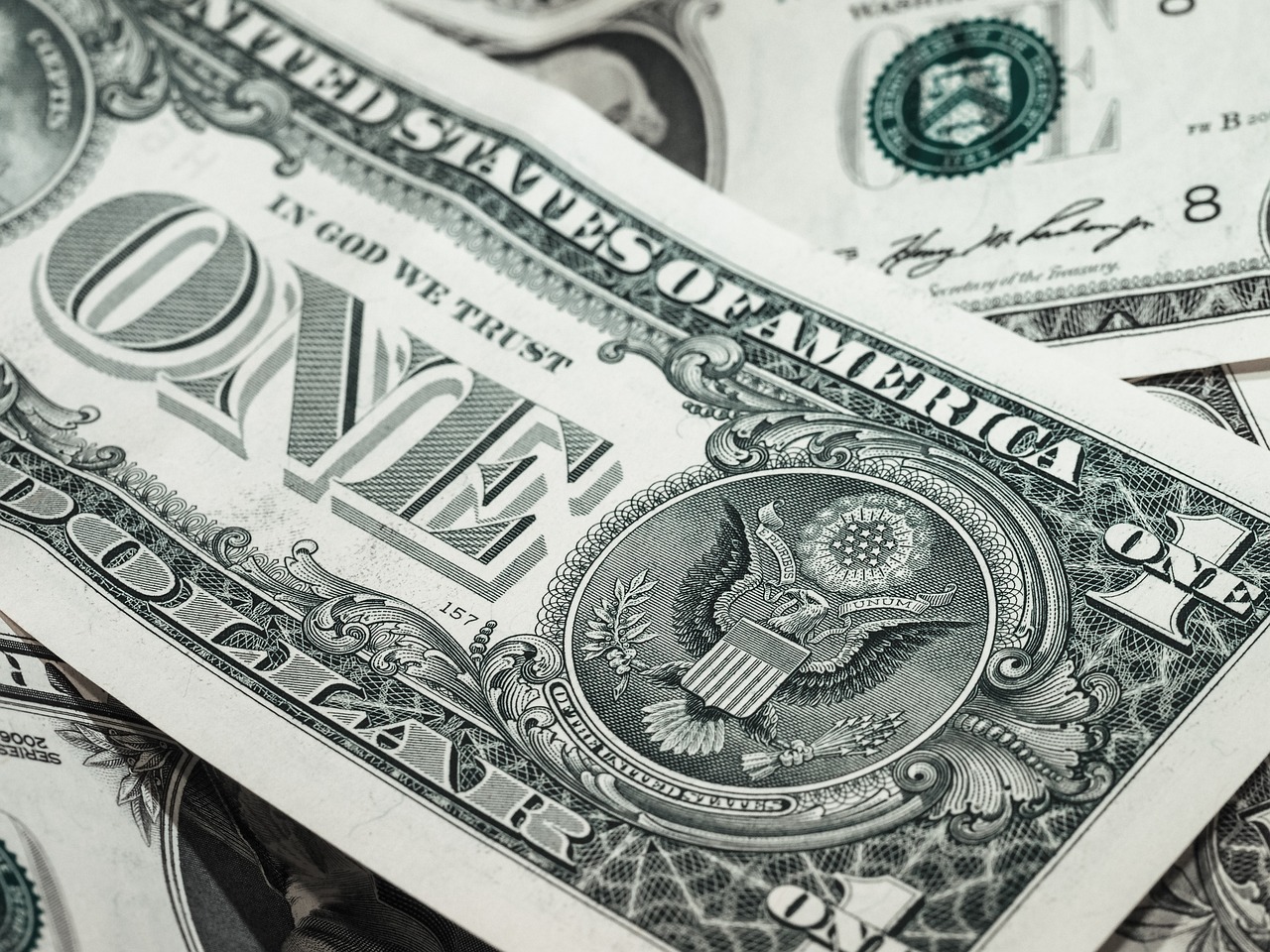
Argentina has a long history of high inflation and currency devaluations, making the US dollar the preferred safe-haven asset for ordinary citizens. In May 2026, Argentines purchased approximately $2.26 billion in foreign currency, representing a 16% decrease compared to April, according to Central Bank data.
Historically, Argentines have preferred keeping their dollars in cash at home (locally called "guardar en el colchón" or "under the mattress") due to distrust in the banking system. However, this trend is changing.
Of the total dollars purchased for cash savings ($1.804 billion), approximately $700 million remained deposited in the local financial system.
Why does this matter? Dollars kept in banks can be used for loans and Treasury financing, circulating in the economy. Those kept "under the mattress" remain stagnant and don't contribute to economic activity.
Key Term: "Presunción de Inocencia Fiscal"
Economy Minister Luis Caputo's policy allows Argentines to purchase dollars without explaining the origin of their funds. This policy aims to encourage financial formalization as part of the government's "endogenous dollarization" strategy.
Beyond savings, Argentines spend dollars on various international services and purchases:
International Tourism
$619 million spent with credit cards
International Transfers
$408 million sent abroad
E-commerce Imports (Shein/Temu)
$115 million in purchases
Digital Services (Netflix, Spotify)
$163 million in subscriptions
The 12-month accumulated surplus reached $5.109 billion, raising expectations that 2026 could be the year Argentina breaks its chronic external account deficit—one of the factors historically triggering devaluations.
Vaca Muerta: A Key Term
Vaca Muerta ("Dead Cow" in Spanish) is one of the world's largest shale oil and gas formations, located in Neuquén Province, Patagonia. Government projections estimate it will generate $100 billion in foreign trade income, with a trade surplus exceeding $20 billion.
$100 Billion
Projected annual foreign trade
>$20 Billion
Expected trade balance surplus
What is "Aguinaldo"? Known internationally as the "13th salary" or Christmas bonus, Argentina's aguinaldo is a legally mandated half-year bonus paid in two installments: June and December. Workers receive 50% of their highest monthly salary from each semester.
Economists anticipate that the mid-year aguinaldo payment could affect the relative calm in currency markets. This benefit is paid in the second half of June, with financial impact typically seen in June and July.
Analysts predict three possible effects:
Debt Payments
Bank arrears reached 12.1%, the highest level in over two decades.
Increased Consumption
Real wage improvements through collective bargaining could boost spending.
Dollar Purchases
Greater liquidity may flow into foreign currency for savings or travel.
Sources: iProfesional | TN | Central Bank of Argentina (BCRA)

Alfredo S. Quiroga