26/06/2026 18:22 - Actualidad
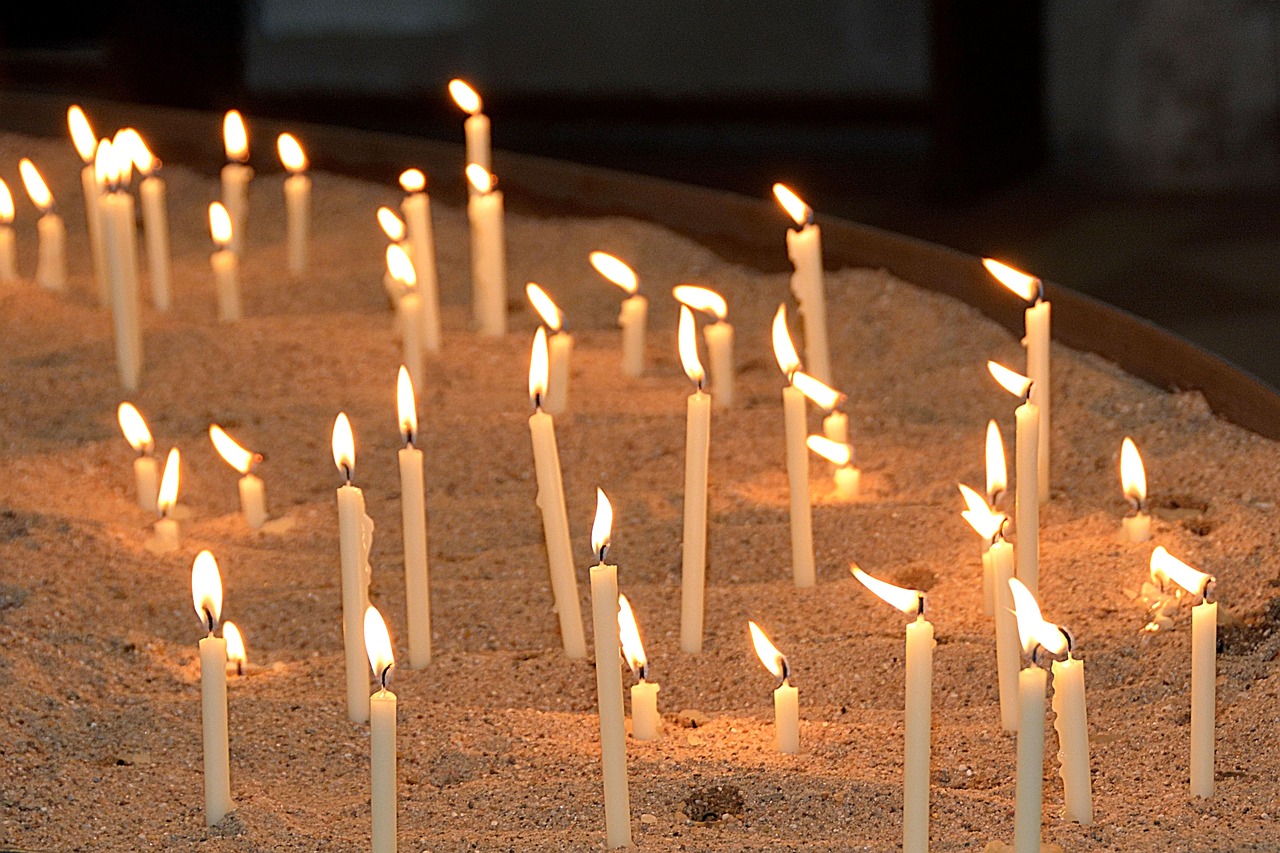
On June 26, 2002, Argentina woke up shaken by one of the darkest pages in its recent history. During a demonstration by unemployed workers at the Pueyrredón Bridge, the Buenos Aires Police unleashed a repressive operation that ended the lives of two young people: Maximiliano Kosteki (22 years old) and Darío Santillán (21 years old). Their names were etched in collective memory as symbols of resistance and dignity.
The Avellaneda Massacre was not an isolated event. It occurred in a context of profound crisis: the fall of President Fernando De la Rúa's government, the outbreak of December 19-20, 2001 (when Argentina experienced its largest social uprising), and the provisional government of Eduardo Duhalde that sought to regain control of the streets after months of massive protests.
Piqueteros (from the Spanish word "piquete" meaning picket or roadblock) were unemployed workers who organized protests blocking roads to demand jobs and government assistance. During the 2001 crisis, this movement gained enormous strength as unemployment reached unprecedented levels. They represented the most visible face of popular discontent with neoliberal economic policies.
That day, an unprecedented joint operation was deployed including:
Security forces had at least two special squads equipped with lead ammunition (live rounds), while the official repression used gas and rubber bullets. More than 30 people were wounded by live bullets that day.
| Victims: | 2 young people |
| Maxi's age: | 22 years old |
| Darío's age: | 21 years old |
| Wounded by gunfire: | +30 people |
| Date: | 06/26/2002 |
The following day, mainstream media attempted to install the official version: a confrontation between piqueteros. However, photographs taken by Sergio Kowalewski and Pepe Mateos dismantled the governmental lie. The images clearly showed that the young men had been executed by police while retreating from the area.
Clarín (Argentina's largest newspaper), which had the photos, initially titled them as "the crisis had claimed two more deaths," avoiding any mention of police responsibility. Popular pressure forced them to publish them, and the truth prevailed.
Commissioner Alfredo Franchiotti and officer Alejandro Acosta were directly responsible for the murders. They executed Darío Santillán while he was helping Maximiliano Kosteki, who had already been gravely wounded.
Sentences (January 9, 2006):
These convictions were the result of popular struggle, not governmental concessions.
The intellectual authors of the massacre were never tried:
All remain without conviction and several continue operating politically.
Photographer Florencia Vespignani captured Darío Santillán's final moment: one hand holding the dying Maxi and the other stopping the repressors. That symbolic gesture became an emblem of solidarity, dignity, and resistance.
As Sergio Nicanoff expressed in his radio column: "In that gesture lies a whole world. There is a pedagogy of dignity, of empathy with the other, which is antagonistic to the far right. It implies different human relationships, community-based, egalitarian."
Beyond the final gesture, the human dimension of both young men was recovered:
A drawer and territorial activist, he actively participated in the community activities of the piquetero movement. His art reflected his social commitment.
He worked at a brick factory and participated in community kitchens. His daily activism built community from the grassroots, without grandiose speeches.
This community dimension was fundamental in confronting the demonization that the powerful attempted to install. As Nicanoff noted: "We must bring forth daily life, community practices, and I think that's where much of the legitimacy resided and resides."
The former Avellaneda station of the Roca railway was renamed "Darío Santillán y Maximiliano Kosteki" in honor of the two murdered young men. Every June 26, social organizations, families, and activists gather there to remember their legacy and renew the commitment to memory and justice.
24 years later, the Avellaneda Massacre reminds us that achievements in human rights and justice are the product of popular organization. The conviction of Franchiotti and Acosta was not a concession from the State, but the result of years of mobilization and persistence. However, the impunity of those politically responsible remains pending, reminding us that the struggle for justice is permanent.
Alfredo S. Quiroga