25/06/2026 22:24 - Internacionales
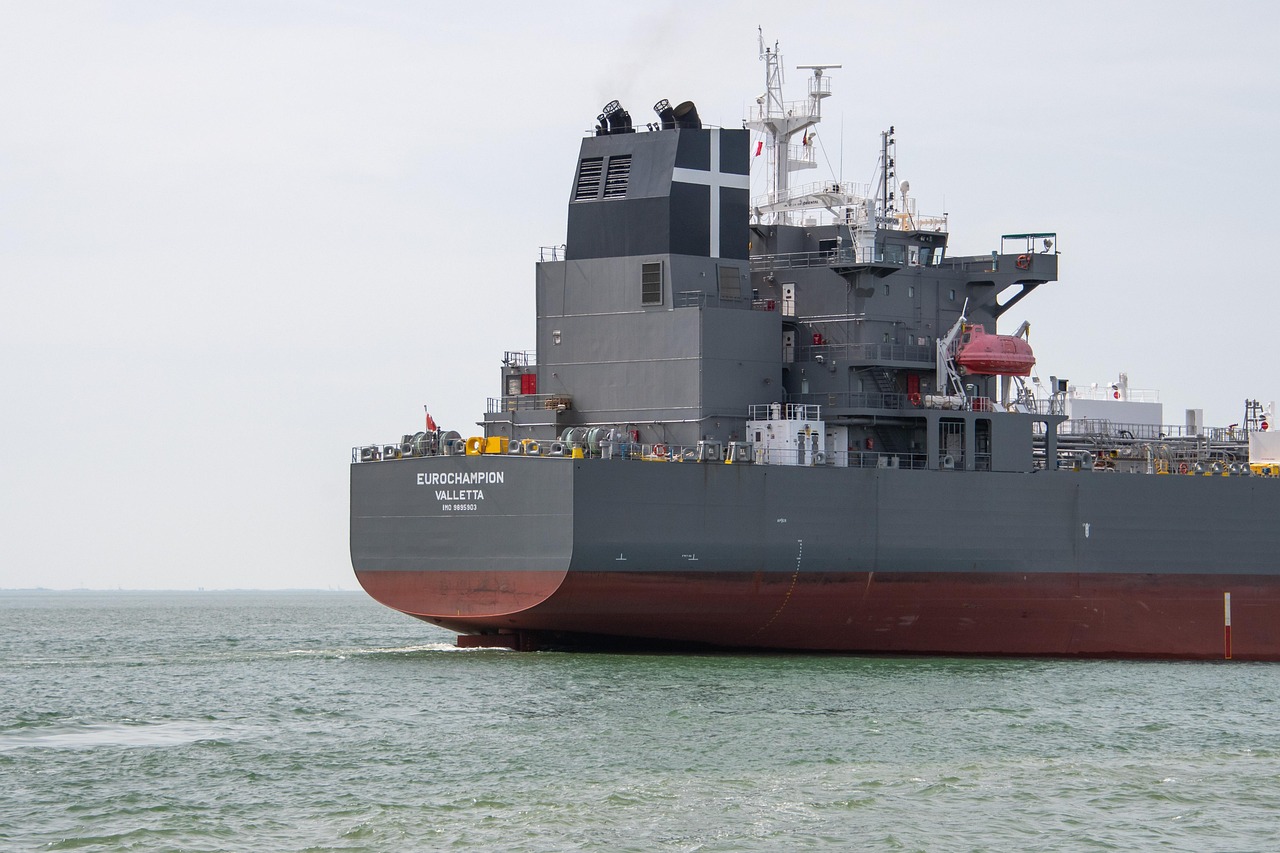
Iran rejected on June 25, 2026 the plan backed by the International Maritime Organization (IMO) of the United Nations to evacuate hundreds of ships trapped in the Strait of Hormuz, creating a new threat to the free transit of commercial vessels in one of the world's most important waterways.
The proposal, which had Oman's support, aimed to establish two temporary evacuation routes: one north of the existing Traffic Separation Scheme (TSS), in Iranian sovereign waters with mine presence, and another more feasible route to the south, in Omani waters. However, the Islamic Revolutionary Guard Corps (IRGC) described these alternatives as "unacceptable and completely dangerous."
The Strait of Hormuz is a strategic passage located between the Persian Gulf and the Gulf of Oman. At only 33 km (21 miles) wide at its narrowest point, approximately 20% of the world's oil and 35% of globally traded liquefied natural gas passes through it.
Its geopolitical importance makes it a key pressure point: any blockade directly affects oil prices and the world economy. For comparison, this narrow passage handles more petroleum than the combined production of many major oil-exporting nations.
Mohammad Ghalibaf, president of the Iranian parliament and chief negotiator, declared that "the administration of the Strait of Hormuz will never return to how it was before the war."
The IRGC emphasized that coordination with its navy is "mandatory" for any transit through the strategic waterway, reminding that the strait is their main negotiating card in international discussions.
The strait blockade originated after hostilities between the United States, Israel, and Iran began on February 28, 2026, a conflict that has already left more than 3,700 dead according to verified data. The memorandum of understanding signed between Iran and the United States the previous week contemplated that Tehran would make its best efforts to restore freedom of navigation without imposing tolls for a minimum of 60 days.
However, Iran's rejection of the proposed routes generates uncertainty about compliance with that agreement. The original TSS route remains impassable due to mines, requiring coordinated alternatives that Iran has so far not accepted.
barrels of oil exported by Iran since June 15
km² occupied by Israel in southern Lebanon
deaths since the conflict began
Iran has linked the normalization of the strait to the Israeli withdrawal from southern Lebanon, where Israeli troops occupy more than 600 square kilometers of Lebanese territory since the conflict began.
U.S. Secretary of State Marco Rubio stated from Bahrain that both countries are "very close" to an agreement of intentions. A ceasefire negotiated during the weekend has halted most of the fighting, although Israel continues conducting airstrikes. On Thursday, an Israeli drone attack against a vehicle killed three people in southern Lebanon.
Israeli government spokesperson David Mencer conditioned any "withdrawal" on Hezbollah's disarmament, while Israel denied any troop withdrawal from Lebanese territory.
Oman has proposed creating a new strait administration system based on voluntary contributions and modeled after the mechanism used in the Straits of Malacca and Singapore. This proposal would comply with Article 43 of the United Nations Convention on the Law of the Sea, which Oman has fully signed (unlike Iran). Gulf states and Western countries warn that any mandatory toll would violate fundamental principles of international maritime law.

Alfredo S. Quiroga