25/06/2026 09:40 - Sociales
For over a decade, headlines about the famous “houses for one euro” in Italy have circulated worldwide, sparking dreams of an affordable European lifestyle. However, an Argentine couple currently living in southern Italy decided to tell the real story behind this viral promise, dismantling myths and explaining the hidden costs that social media never mentions.
Eduardo Coronel and Noeli Forciniti, originally from Rosario (Argentina's third-largest city, located in the province of Santa Fe), settled in Calabria (the region forming the “toe” of Italy's boot-shaped peninsula) after living in Australia and Japan. From their experience in Cetraro, a small coastal town, they warn that reality is far from the real estate fantasy sold on the internet.
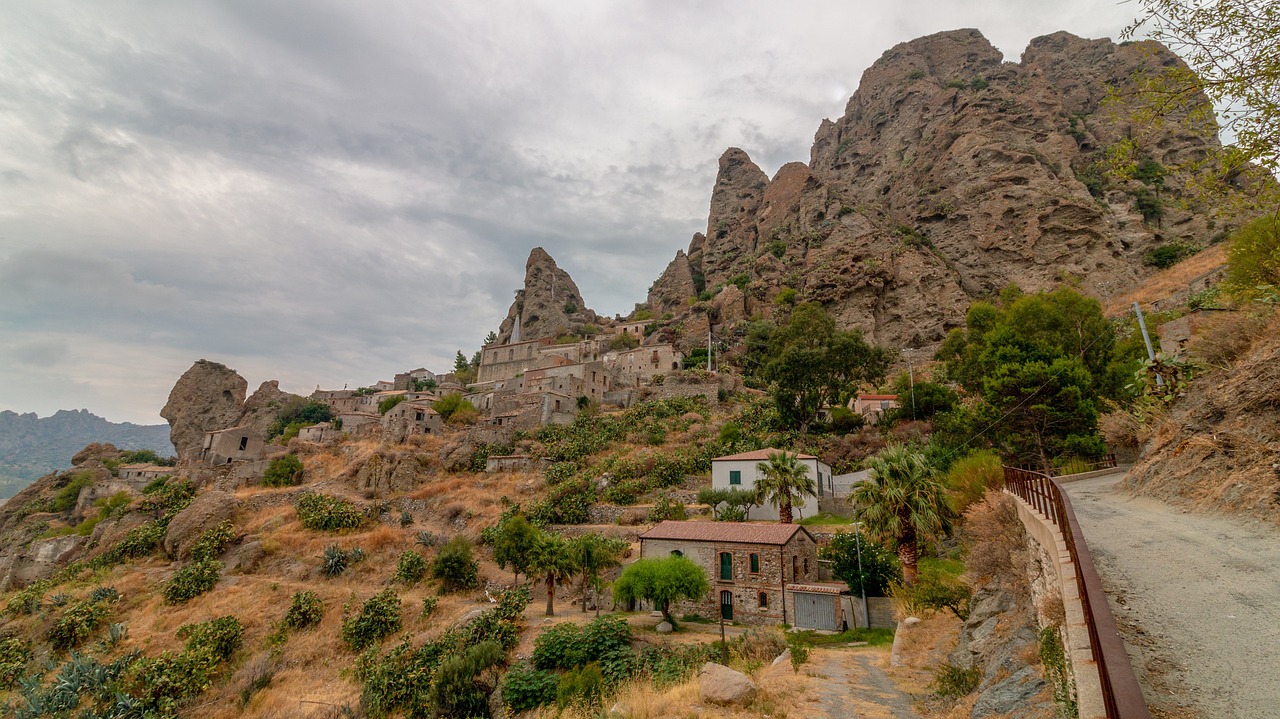
The one-euro house program began in 2015 as a strategy to combat population decline in small Italian towns. While the purchase price is symbolic, Eduardo Coronel explained that “the cheap houses ran out” due to the viral publicity. In places like Aieta, a medieval town of 700 inhabitants in Calabria, these opportunities are no longer available.
Key facts few people mention:
Beyond costs, the couple emphasized that these towns are often in mountainous or remote areas. “They are beautiful places, but isolated and require a particular lifestyle,” Coronel noted.
Daily challenges:
Far from discouraging, the Argentines highlighted new government programs offering more favorable conditions than the old one-euro houses.
For non-Italian speakers, navigating Italian bureaucracy can be challenging. Calabria remains one of Italy's most affordable regions, with pristine beaches, ancient Greek ruins, and authentic Mediterranean cuisine. However, foreigners should understand that property ownership does not automatically grant the right to live in Italy—you still need a valid visa (such as the Elective Residence Visa for those with passive income, or the new “Digital Nomad Visa” for remote workers).
Important terminology:
Sources: Infobae | Revista Mercado | Primera Hora
Alfredo S. Quiroga