25/06/2026 09:22 - Actualidad
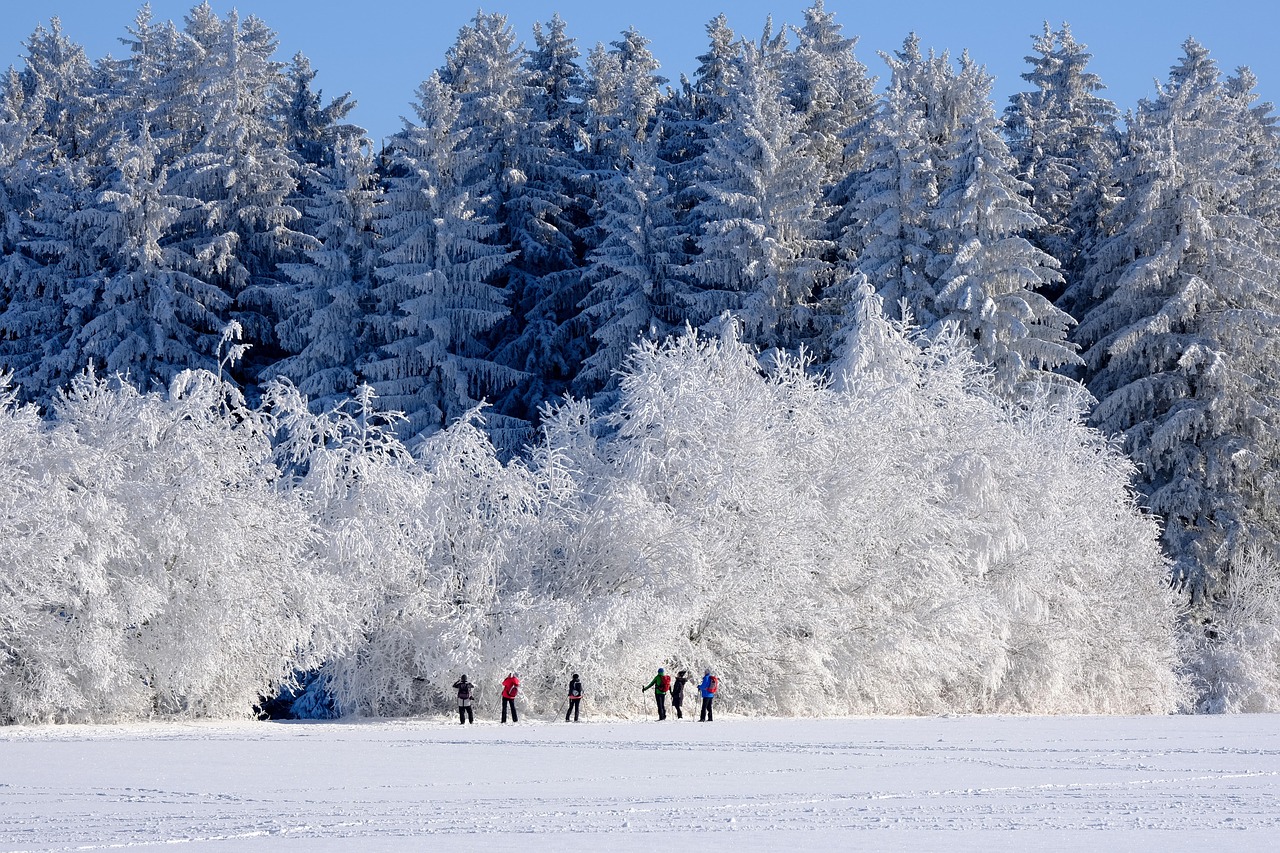
The polar wave affecting Argentina since June 23, 2026 reaches its peak this Wednesday, June 25, according to the National Weather Service (SMN - Servicio Meteorológico Nacional). The agency issued a yellow alert for extreme temperatures for the Metropolitan Area of Buenos Aires (AMBA) and 15 other provinces, warning that conditions may pose health risks, especially for vulnerable groups.
For international readers: The AMBA (Área Metropolitana de Buenos Aires) is the greater Buenos Aires metropolitan area, home to approximately 15 million people—roughly one-third of Argentina's population.
The SMN activated alerts for the following regions:
The lowest temperatures recorded:
| Location | Temperature |
|---|---|
| Uspallata (Mendoza) | -10°C (14°F) |
| Malargüe (Mendoza) | -7.9°C (17.8°F) |
| Jáchal (San Juan) | -4.7°C (23.5°F) |
| AMBA | Min: 4°C (39°F) / Max: 11°C (52°F) |
Agricultural frosts were registered in over 60 localities across the country, conditions that particularly affect the agricultural sector.
The frontal system left significant snow accumulations in the Patagonian region:
Ski resorts benefiting from the snowfall:
Bariloche, Ushuaia, Las Leñas, Penitentes, and Vallecito
Patagonia is Argentina's vast southern region, known for its stunning landscapes, glaciers, and world-class ski destinations. The ski season runs from June to October.
The ECMWF forecast model indicates that precipitation will concentrate in northern Argentina during the last days of June:
Formosa, Chaco, Misiones, and northern Corrientes will see accumulations of 30 to 70 mm, with possible organized storms.
Córdoba, Santa Fe, Buenos Aires, La Pampa, San Luis, and Mendoza will maintain accumulations below 10 mm.
Additionally, Zonda wind is expected in the NOA region (Northwest Argentina) and storms in NEA (Northeast Argentina) during the weekend.
The Zonda wind is a warm, dry föhn wind that descends from the Andes mountains, similar to the Chinook winds in North America. It can cause rapid temperature increases and low humidity.
The SMN advises:
The yellow alert indicates conditions may be especially dangerous for: children, adults over 65, pregnant women, and people with chronic diseases. Extra precautions are recommended, and medical consultation is advised for any cold-related symptoms.

Alfredo S. Quiroga