24/06/2026 21:52 - Actualidad
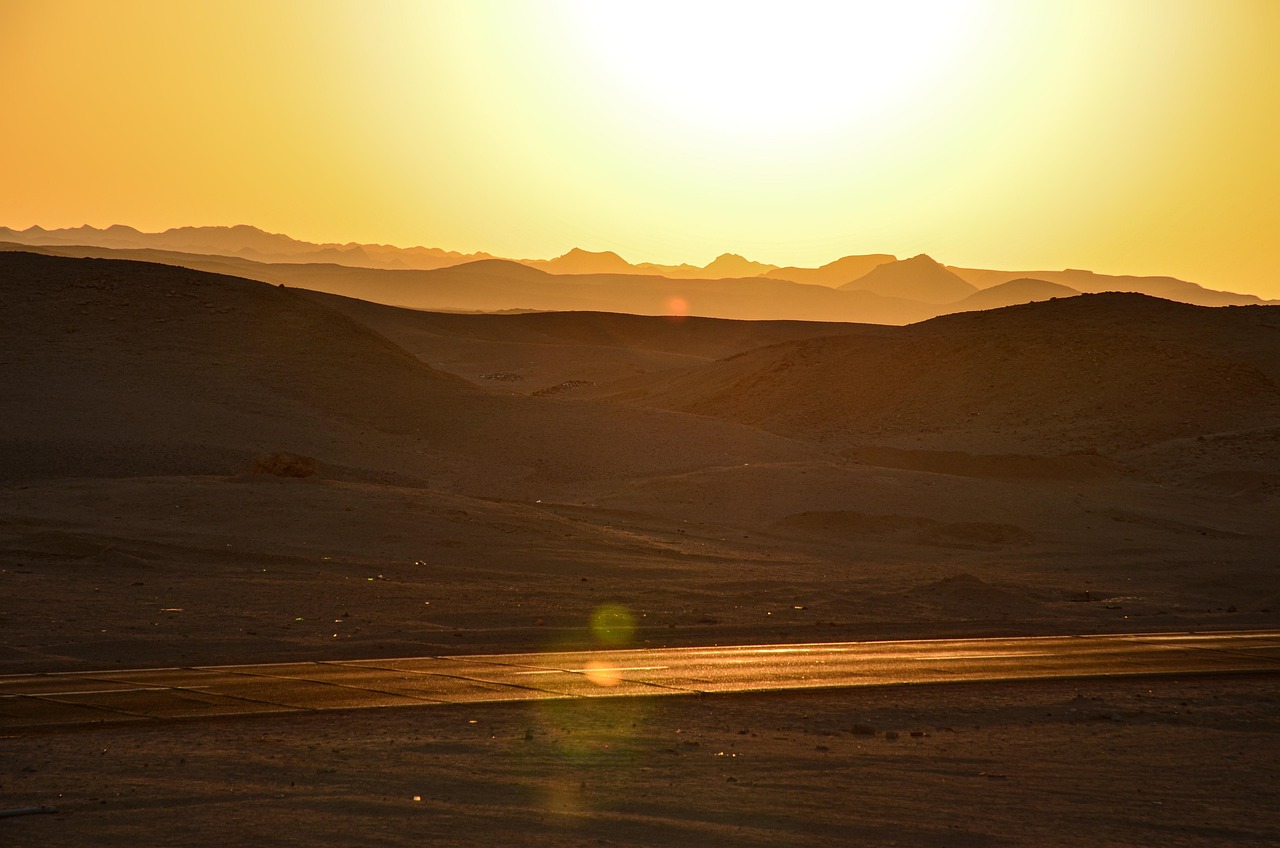
A historic heatwave is sweeping across Europe from Ireland to Greece, affecting 26 countries with temperatures exceeding 40°C (104°F) in multiple regions. The phenomenon, caused by a heat dome originating from North Africa, has been compared by Météo-France (France's national meteorological service) to the devastating heatwave of August 2003, which caused approximately 15,000 deaths across the continent.
According to verified data as of June 24, 2026, France is among the most affected countries: 58 of its 101 departments are under red alert, with record temperatures reaching up to 44°C (111°F) forecasted in Bordeaux, 41°C (106°F) in Paris, and 40°C (104°F) already recorded in Ergué-Gabéric (a commune in western France). The night of June 23 was the hottest recorded since 1947, with an average temperature of 21.6°C (71°F).
| Country | Maximum Temperature |
|---|---|
| Spain | 40-42°C / 104-108°F (Córdoba, Bilbao) |
| Italy | Red alert in 15 cities |
| United Kingdom | Up to 39°C / 102°F (June record) |
| Germany | Up to 40°C / 104°F |
| Netherlands | Up to 38°C / 100°F |
The World Health Organization (WHO) has reported over 200,000 deaths from extreme heat in Europe over the past four years, an alarming figure that reflects the magnitude of climate change. Only 20% of European households have air conditioning, which worsens the effects of heatwaves on the population.
Europe is warming at twice the global average rate, according to scientific data. This phenomenon, combined with the strengthening of El Niño (a climate pattern characterized by unusual warming of Pacific Ocean waters that affects global weather), creates favorable conditions for Argentina to face similar episodes during the upcoming austral summer (December to February in the Southern Hemisphere).
The consequences of this heatwave are multiple and severe:
Sources: Météo-France, World Health Organization (WHO), Infobae, El Día.
The 2003 European heatwave caused approximately 15,000 deaths, making it the deadliest natural disaster in Europe in the last 50 years.

Alfredo S. Quiroga