21/06/2026 22:36 - Economia
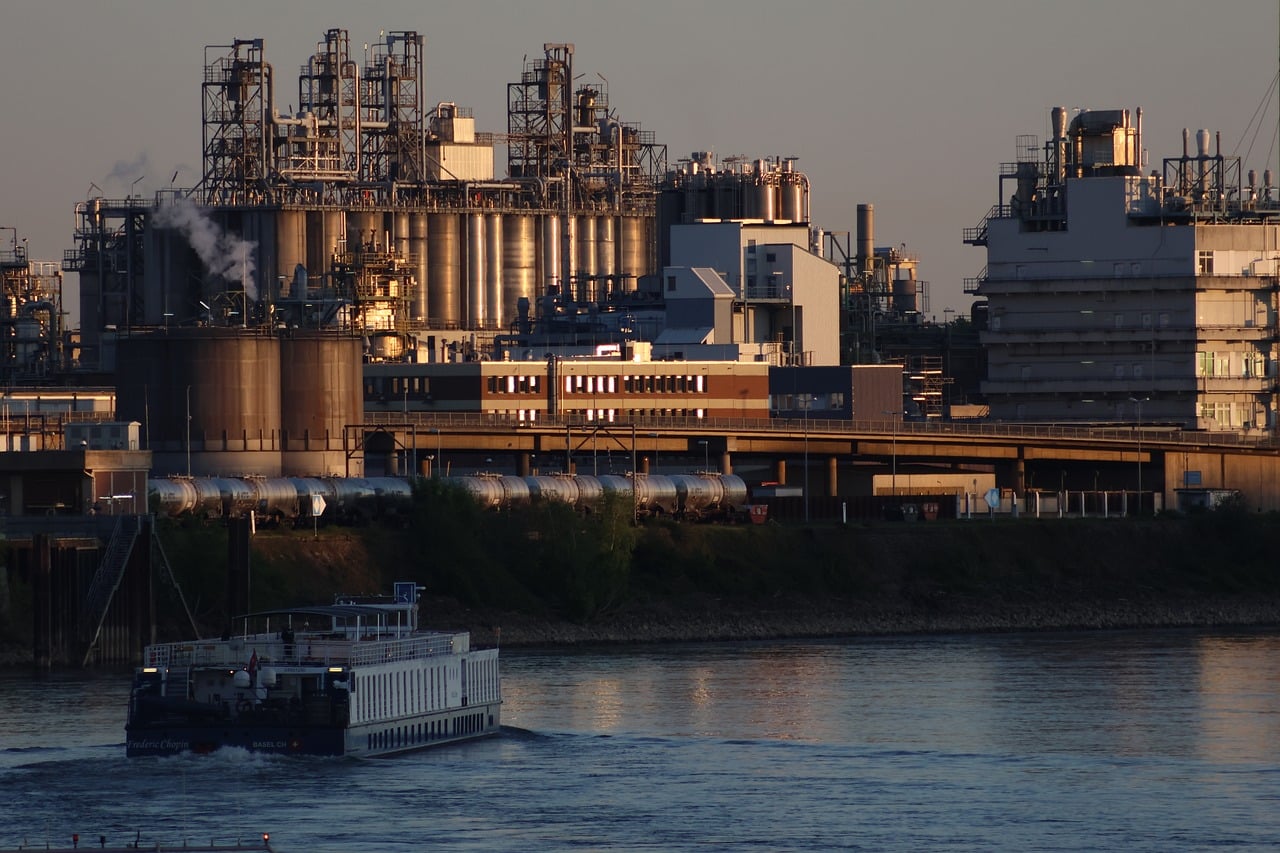
Planta industrial de procesamiento de soja con silos metálicos enormes, tuberías industriales complejas y banda transportadora de granos. Puerto fluvial al fondo con barcos de carga esperando. Ambiente industrial moderno y activo, cielo despejado.
While Argentina's oil-producing regions celebrate the shale revolution of Vaca Muerta displacing soy as the country's top source of foreign currency, a quiet crisis is unfolding in the heart of the nation's agricultural industry: Brazil is dangerously close to snatching Argentina's world leadership in soybean meal exports—the country's primary industrial export product.
The report from the Rosario Board of Trade (BCR)—Argentina's most influential agricultural exchange—reveals how the neighboring country has been rapidly closing the gap in soybean byproducts. Projections for the first half of 2026 show Argentina exporting approximately 13.3 million tons of soybean meal versus Brazil's 12.3 million.
The difference between the two South American giants now represents merely 8%, a dramatic drop from the 86% gap that existed in 2021. Even last year, the gap stood at 23%, demonstrating the remarkable speed at which Brazil has been conquering a market historically dominated by Argentina's crushing industry.
The report attributes Brazil's surge to strong growth in soybean processing. Brazilian crushing reached a record 58.7 million tons in 2025, representing a 22.8% increase compared to 2021, driven by biodiesel market expansion and industrial promotion policies.
One key factor is Brazil's promotion of the biodiesel industry, which pushed soybean oil demand to historic highs. As a consequence, increased crushing (the oil extraction process) generates larger volumes of meal available for export, improving Brazil's competitiveness in international markets.
This puts pressure on a business that concentrates much of the industrial and logistics activity in Greater Rosario—South America's largest soybean crushing hub—and represents an alert for an Argentine economy undergoing structural change with the rise of Vaca Muerta shale formation.
| Year | Gap | Context |
|---|---|---|
| 2021 | 86% | Argentina held overwhelming dominance |
| First Half 2025 | 23% | Brazil accelerated soybean processing |
| First Half 2026 | 8% | Minimal difference of 1 million tons |
Soybean meal is the primary byproduct of soybean processing. After oil is extracted from the beans, what remains is a high-protein product used primarily as animal feed—essential for livestock, poultry, and swine industries worldwide. It represents one of Argentina's leading exports and is crucial for domestic soybean price formation.
Argentina historically consolidated as the world's largest exporter of this product, thanks to its massive crushing industry located along the Paraná River in Greater Rosario, and a tax policy that favored industrialization over raw grain exports.
European Union: Spain, Italy, Netherlands, Poland, and Ireland are the main buyers within the bloc.
Southeast Asia: Vietnam and Indonesia have become the region's top buyers, accounting for 25-30% of Argentine shipments.
Middle East: Saudi Arabia, Iran, Jordan, and the UAE explain recent growth.
The Rosario Board of Trade warned that stagnant local crushing contrasts with Brazil's sustained expansion. This competition directly affects:
The Paraná River corridor, stretching from Santa Fe to Rosario, hosts the world's largest concentration of soybean crushing facilities. This strategic location allows direct access to international markets via river barges and ocean vessels. The Greater Rosario area processes approximately 80% of Argentina's soybeans, making it the beating heart of the country's agricultural export economy.
For foreign readers unfamiliar with Argentina's geography, Rosario is located about 300 kilometers northwest of Buenos Aires, on the western shore of the Paraná River—South America's second-longest river and a crucial commercial waterway connecting Argentina's agricultural heartland to global markets.
Sources: Bolsa de Comercio de Rosario (Rosario Board of Trade), La Política Online, Clarín Rural, Infobae. For more information, visit Rosario Board of Trade official site.

Alfredo S. Quiroga