20/06/2026 16:26 - Economia
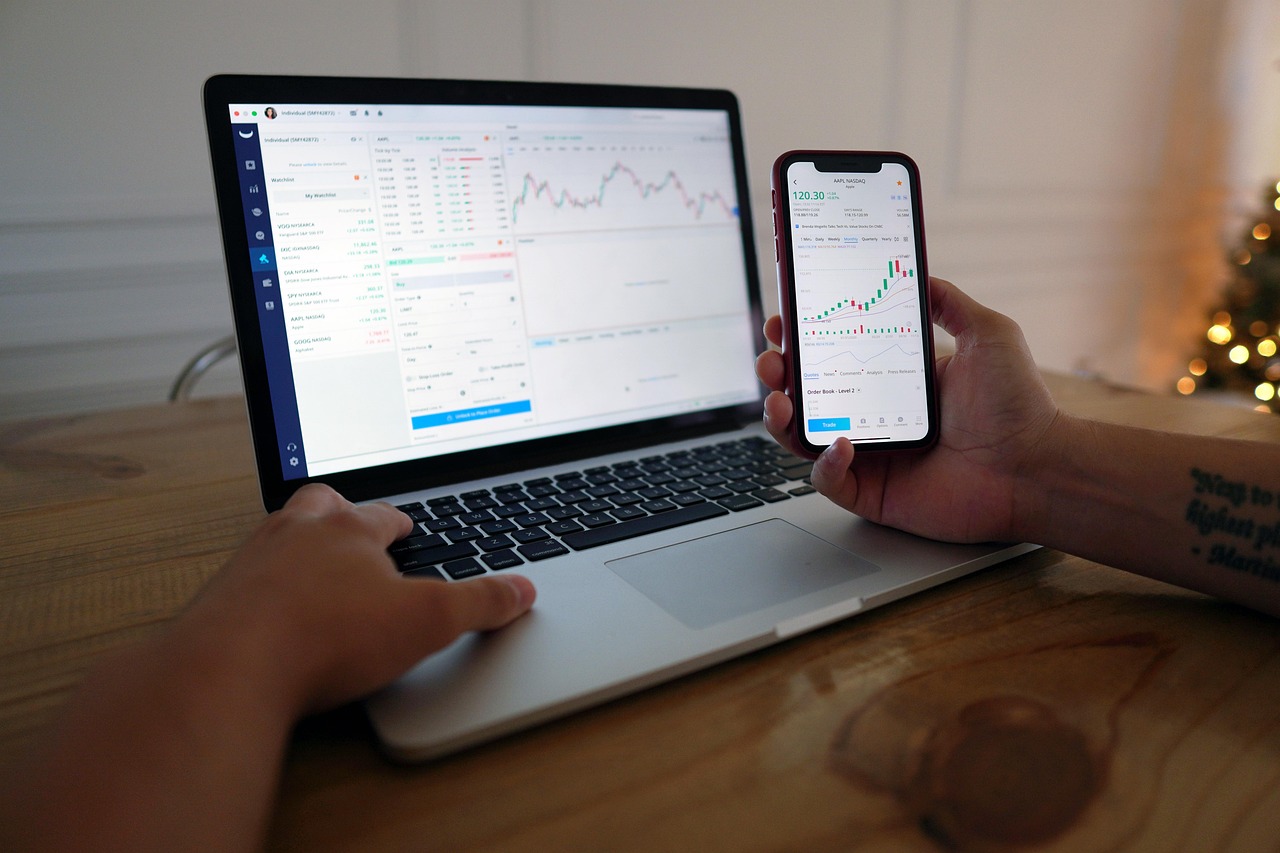
Gráfico financiero profesional mostrando la evolución del dólar oficial argentino con tendencia ascendente, números de proyección económica, fondo azul corporativo con elementos de análisis bursátil
Argentina's foreign exchange market is undergoing a structural transformation that has caught the attention of international investors. On Wednesday, June 18, 2026, the official U.S. dollar rate reached $1,470 pesos for sale at banks and exchange houses—the highest level since February 2, 2026.
Why does this matter? The accumulated rise of 2.8% in June exceeds the estimated monthly inflation rate of 2.1%. Financial analysts interpret this as the beginning of a new adjustment phase in Argentina's exchange rate scheme.
All rates expressed in Argentine Pesos (ARS) per 1 USD
For international readers unfamiliar with Argentina's complex currency system, here's a quick guide:
The government-regulated rate used for imports, exports, and official transactions. This is what you'll find at banks and authorized exchange houses.
The parallel market rate that emerged from currency controls. Historically, this rate reflected market sentiment and often traded at a premium. The current 1% gap is historically low.
Financial dollars accessed through bond trading. MEP (Mercado Electrónico de Pagos) and CCL (Contado con Liquidación) allow purchasing dollars through financial instruments legally.
Financial analysts—often referred to as the "gurus of Buenos Aires' financial district"—use this term to describe a structural shift in the exchange rate dynamics. When the official dollar begins growing faster than inflation, it signals a correction of currency lag that the market interprets as seeking a new balance level.
Several factors drive this phenomenon:
Foreign currency inflows from the agricultural sector dropped to USD 91 million, reducing dollar supply in the market. Argentina's grain exports are a major source of foreign currency.
The 2026 FIFA World Cup hosted by the United States, Mexico, and Canada created extraordinary dollar demand for travel and consumption. Argentine fans traveling abroad need dollars for tickets, accommodation, and expenses.
The dollar-linked bond TZV26 captured USD 2.879 billion with 57.77% participation, impacting market dynamics significantly.
Perhaps the most significant data point: the gap between the official dollar and the blue dollar narrowed to just 1%—a level practically unprecedented in Argentina's recent economic history. This convergence between exchange rates reflects:
The country risk indicator measures the interest rate spread between Argentine bonds and U.S. Treasury bonds. A lower number indicates less perceived risk by international investors. At 425 basis points (4.25%), Argentina's risk premium is at its lowest since April 2018—a sign of improving confidence in the country's economic direction.
Market financial estimates place the official dollar in a range of $1,629 to $1,658 for December 2026, according to the latest BCRA Market Expectations Survey (REM) and projections from consultancies such as Matba-Rofex.
The exchange rate band ceiling currently sits at $1,788, leaving room for real appreciation if the dollar grows below inflation, or controlled nominal depreciation if it grows above.
| Indicator | Current Value | Historical Context |
|---|---|---|
| Official Dollar | $1,470 | Highest since Feb 2026 |
| Gap (Blue-Official) | 1% | Historically low |
| Country Risk | 425 bps | Lowest since Apr 2018 |
| Reserves | USD 47.508 billion | Strong accumulation |
| Projected Dec 2026 | $1,629 - $1,658 | Market consensus |
Beyond the domestic indicators, Argentina has received backing from multilateral organizations. The World Bank approved financing of USD 2 billion, while the Inter-American Development Bank (IDB) contributed USD 500 million, strengthening the international reserves position.
The combination of reducing gaps, accumulating reserves, and declining country risk creates a favorable environment for investment. International observers view these indicators as signs of economic stabilization after years of volatility.
Primary data: Argentine foreign exchange market closing values for June 18, 2026. Central Bank of Argentina (BCRA) reserves and net purchase data. Market Expectations Survey (REM). Financial consultancy consensus including Matba-Rofex. Country risk data from financial markets.

Alfredo S. Quiroga