20/06/2026 15:52 - Actualidad
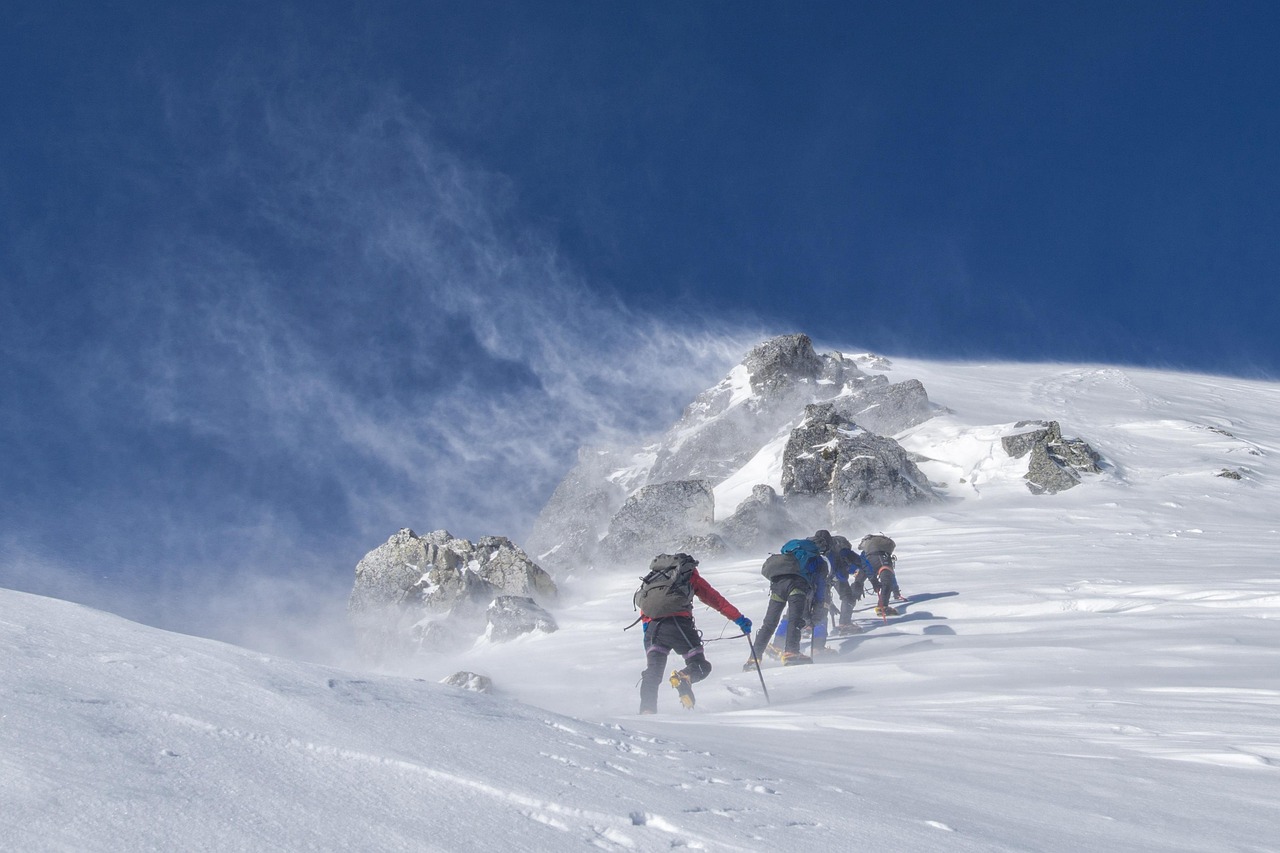
Paisaje invernal argentino con montañas cubiertas de nieve al amanecer del solsticio, sol bajo en el horizonte creando sombras largas, cielo con gradientes de colores cálidos y fríos, atmósfera de serenidad y frío
The Winter Solstice 2026 marks the official beginning of the coldest season of the year in Argentina and the entire Southern Hemisphere. According to Argentina's Naval Hydrography Service (Servicio de Hidrografía Naval), winter will begin precisely on Sunday, June 21 at 5:24 AM (Argentine time), when autumn ends and one of the most anticipated seasons begins for those who enjoy cold weather, snow, and comforting meals.
The word "solstice" comes from the Latin solstitium, meaning "the sun stands still". This astronomical phenomenon occurs due to Earth's axial tilt and marks the moment when the Southern Hemisphere reaches its maximum tilt away from the Sun.
As a direct consequence, this day becomes the shortest day and longest night of the year. After the solstice, days gradually lengthen until the summer solstice arrives in December.
For visitors from the Northern Hemisphere, it's important to remember that seasons are reversed in Argentina. While North America and Europe experience summer in June, Argentina and its neighbors (Chile, Uruguay, Brazil, etc.) are in winter. This makes Argentina an ideal destination for snow sports when ski resorts in the Northern Hemisphere are closed.
Argentina's ski resorts operate from June to October. Top destinations include Las Leñas (Mendoza), Chapelco (Neuquén), Cerro Catedral (Bariloche), and Cerro Castor (Ushuaia - the southernmost ski center in the world).
Argentina spans from the subtropical north to subantarctic south. Winter temperatures range from mild 20°C (68°F) in the north to freezing -5°C (23°F) or lower in Patagonia.
According to the Climate Forecast from Argentina's National Meteorological Service (SMN), much of the country, including all Argentine provinces, will experience a winter with temperatures that are normal or even above the usual.
However, specialists warn that typical winter phenomena will continue:
Argentina is the 8th largest country in the world with enormous climatic contrasts. Understanding its regions helps plan winter visits:
| Region | Winter Climate | What to Expect |
|---|---|---|
| Northwest (NOA) | Dry, mild days (15-22°C) | Cold nights, clear skies, colorful landscapes |
| Northeast (Mesopotamia) | Humid, moderate (12-20°C) | Foggy mornings, occasional rain |
| Cuyo (West) | Dry, cool days (8-15°C) | Andes snow, wine country, thermal springs |
| Central (Pampas) | Variable (5-15°C) | Frost, some rain, cloudy days |
| Patagonia (South) | Cold to freezing (-2-8°C) | Snow, strong winds, dramatic landscapes |
Winter offers unique opportunities to explore Argentina beyond the typical tourist season:
Winter is the perfect season to discover Argentina's comfort food culture. Unlike lighter summer fare, winter brings hearty dishes that reflect the country's immigrant heritage:
Museums, cultural centers, and heritage sites remain open throughout the season. Winter is ideal for indoor cultural exploration:
Winter 2026 in Argentina ends on September 21, when the Spring Equinox occurs. This marks the beginning of the new season with days and nights of equal duration.
The winter solstice period (June 20-24) offers excellent opportunities to experience Argentine culture at its most authentic. Consider visiting during this time to see how locals celebrate the shortest day, enjoy winter festivals, and experience the famous Argentine hospitality in a cozy winter setting.
Sources: Servicio de Hidrografía Naval (Naval Hydrography Service), Servicio Meteorológico Nacional (National Meteorological Service), Agencia de Noticias San Luis.

Alfredo S. Quiroga