20/06/2026 09:26 - Economia
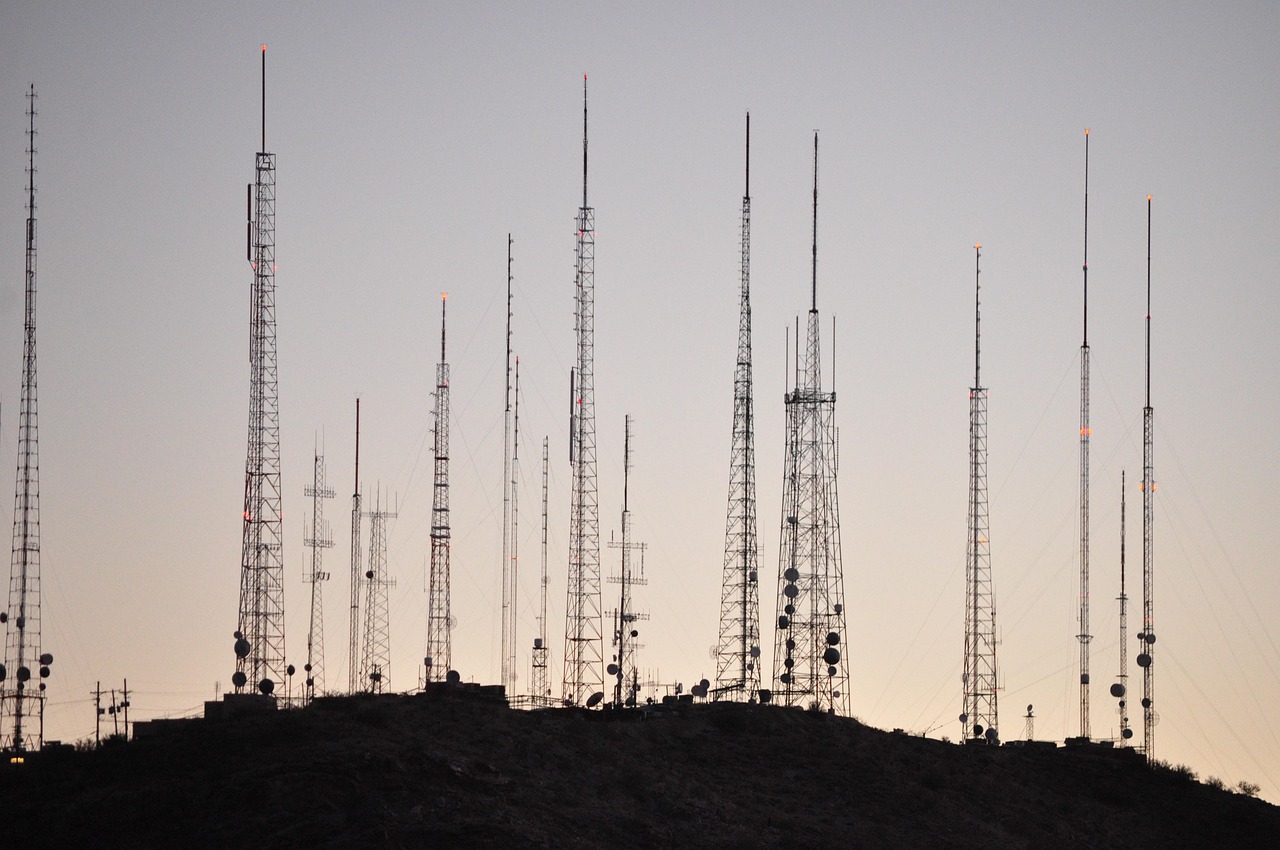
Torre de telecomunicaciones en Buenos Aires con antenas móviles y cables de fibra óptica al atardecer, representando la fusión de empresas
The Competition Defense Tribunal (TDC) authorized on June 18, 2026 the purchase of Telefónica Móviles Argentina by Telecom, an operation valued at USD 1.25 billion announced in February 2025. The decision includes structural and behavioral conditions to prevent the merger from becoming a monopoly that would harm users and free competition.
Telefónica: Spanish telecommunications giant that entered Argentina in 1990. Operates under the brand Movistar with approximately 20 million customers across mobile, internet, and other services.
Telecom Argentina: One of Argentina's largest telecommunications companies, controlled by Grupo Clarín—the country's largest media conglomerate, often compared to a combination of major media companies in other countries.
Grupo Clarín: Argentina's most powerful media group, owning newspapers, TV channels, radio stations, and now consolidating its position in telecommunications.
Javier Milei: Argentina's president since December 2023, a libertarian economist known for his free-market policies and dramatic reforms.
According to the official statement, Telecom must meet the following requirements:
With these conditions, market concentration would be reduced from the projected 70% to 50%, according to official estimates.
The sale marks the definitive withdrawal of Telefónica of Spain from the Argentine market after more than 36 years of presence. The Spanish company arrived in the country in 1990 as part of the privatizations promoted by President Carlos Menem, when the National Telecommunications Company (ENTel) was divided and privatized.
For context, ENTel was Argentina's state-owned telecommunications monopoly. Its privatization was one of the most significant economic reforms of the 1990s, part of a broader wave of privatizations that transformed Argentina's economy.
Telefónica was awarded the Southern zone of ENTel, while the Northern zone went to the consortium that originated Telecom Argentina. The effective transfer took place on November 8, 1990.
| 1990 | Entry via ENTel privatization (Southern zone) |
| Following decades | Network modernization, digitalization, expansion of fixed and mobile telephony (Movistar brand) |
| Peak customers | Approximately 20 million across all services |
| Employees | More than 10,000 direct employees |
| 2025 | Sale announced to Telecom for USD 1.25 billion as part of strategy to reduce exposure in Latin America |
The operation generated strong political controversy. President Javier Milei had previously posted on social media accusing Grupo Clarín of seeking to "control 70% of telecommunications" and assume a "dominant position." However, the government ultimately authorized the merger with conditions.
Telecom considered the requirements "excessive" according to cited sources, as they far exceeded their original proposal to divest 3 million mobile subscribers and 130,000 fixed broadband customers.
With approval, Telecom positions itself as the only group capable of offering convergent packages (fixed, mobile, and pay TV) at a national scale. Its main competitor, Claro (subsidiary of América Móvil, owned by Mexican billionaire Carlos Slim), lacks Telecom's fixed network coverage.
Post-merger concentration
Market control
In some regions
The operation was also questioned by Telecentro (a competitor owned by Alberto Pierri, a prominent Argentine businessman and former politician) at ENACOM. Competing companies pointed out that the merger would concentrate the percentages shown above.
Telecom will have 18 months to complete the divestment of customers and spectrum. The transfer of mobile customers must be made to a "new competitor" in the sector, although no specific operator was named as the potential buyer of these assets.
This official decision represents the closing of a cycle that began with the privatizations of the 1990s and now concludes with a new debate: not about the privatization of state enterprises, but about the limits of concentration in the telecommunications market.
This is not just a business transaction—it represents a fundamental shift in Argentina's telecommunications landscape. For nearly four decades, Argentines have known Telefónica (through its Movistar brand) as one of the pillars of their connectivity. The company was instrumental in bringing mobile telephony to millions of Argentines during the country's modernization period.
The consolidation under Grupo Clarín's control creates a telecommunications giant unprecedented in Argentina's history, raising important questions about market competition, consumer choice, and the future of digital services in the country.

Alfredo S. Quiroga