19/06/2026 15:04 - Internacionales
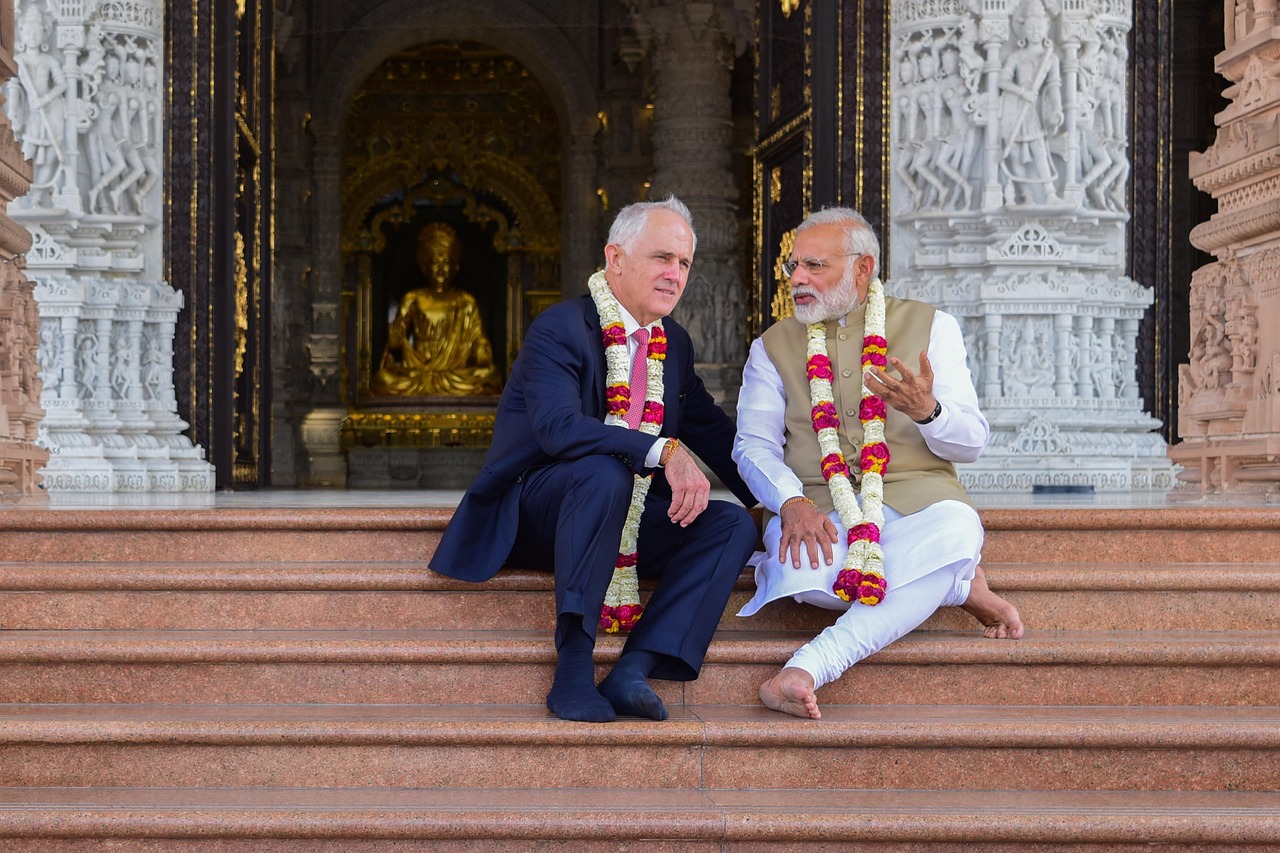
Primera ministra italiana Giorgia Meloni y presidente Donald Trump en una conversación tensa durante la cumbre del G7, representando el conflicto diplomático actual.
The traditionally strong relationship between Italy and the United States suffered a significant blow on June 19, 2026, following controversial statements by US President Donald Trump during an interview with Italian television network La7. Trump claimed that Italian Prime Minister Giorgia Meloni had "begged" him for a photograph during the recent G7 summit held in France, stating he agreed only out of "pity."
Meloni, clearly stung by the remarks, released a video response on social media calling Trump's statements "completely invented" and declaring that they "offend all of Italy." The backlash was swift: Italian Foreign Minister Antonio Tajani announced the cancellation of his official visit to the United States, scheduled for June 21-22, 2026.
Giorgia Meloni has served as Italy's Prime Minister since October 2022. She leads the Brothers of Italy party, a conservative-right political formation. Notably, she was the only European leader to attend Trump's presidential inauguration in January 2025, a gesture many interpreted as a sign of their close alliance. Her political stance emphasizes Italian national interests while maintaining strong ties with Western allies.
The G7 (Group of Seven) is an intergovernmental organization comprising the world's advanced economies: Canada, France, Germany, Italy, Japan, the United Kingdom, and the United States. The group meets annually to discuss global economic policy, international security, and other pressing issues. The summits are high-profile diplomatic events where world leaders negotiate, build relationships, and make joint statements on global challenges.
According to the transcript released by La7, Trump declared: "She begged me to take a photo with her. She wanted a photo with me so badly. I wouldn't have done it, but I felt pity." He added: "Probably she's glad I spoke to her. I didn't have to do it."
The timing was particularly awkward, coming just days after the G7 summit where world leaders had projected unity on pressing global issues. Trump's casual dismissal of a key NATO ally struck many diplomatic observers as counterproductive to Western interests.
In her video message, Meloni responded with visible frustration: "Donald Trump's statements are completely invented. Honestly, I'm stunned." She questioned why the US president would treat allies this way: "I don't know why the President of the United States behaves like this with his allies. Moreover, it's not the first time this has happened."
Meloni delivered a pointed criticism: "I can only say I regret he doesn't show the same determination with the enemies of the West, with the enemies of the United States, with leaders with whom he shows much more complacency."
She concluded with a statement that has resonated across Italian political circles: "But one thing must be remembered: Italy and I never beg."
This exchange represents a significant deterioration in US-Italian bilateral relations. Trump and Meloni, once considered close allies, have had several disagreements recently, primarily over:
Italian Undersecretary Giovanbattista Fazzolari, from Meloni's office, did not mince words: "It's not clear whether by intention or ineptitude, Trump is destroying the historic relations between the United States and Europe. With his inappropriate outbursts, he has achieved something not easy: making the United States unpopular across the European continent, damaging not only Europe but above all the United States itself."
Foreign Minister Tajani had been scheduled to travel to the United States to participate in the Italy-US Business, Investment, Science and Innovation Forum in Miami, and to meet with Secretary of State Marco Rubio to advance bilateral cooperation on economic security and critical minerals. That agenda has been suspended as a clear signal of Italian government displeasure.
This diplomatic incident occurs at a critical moment in global geopolitics, following the US-Iran peace agreement signed on June 17, 2026. The strained relationship between Trump and several European allies adds to the challenges facing the West in an increasingly complex international landscape.
The situation remains fluid, with observers wondering whether this rift can be repaired or whether it signals a deeper realignment in Western alliances.
Alfredo S. Quiroga