19/06/2026 12:04 - Economia
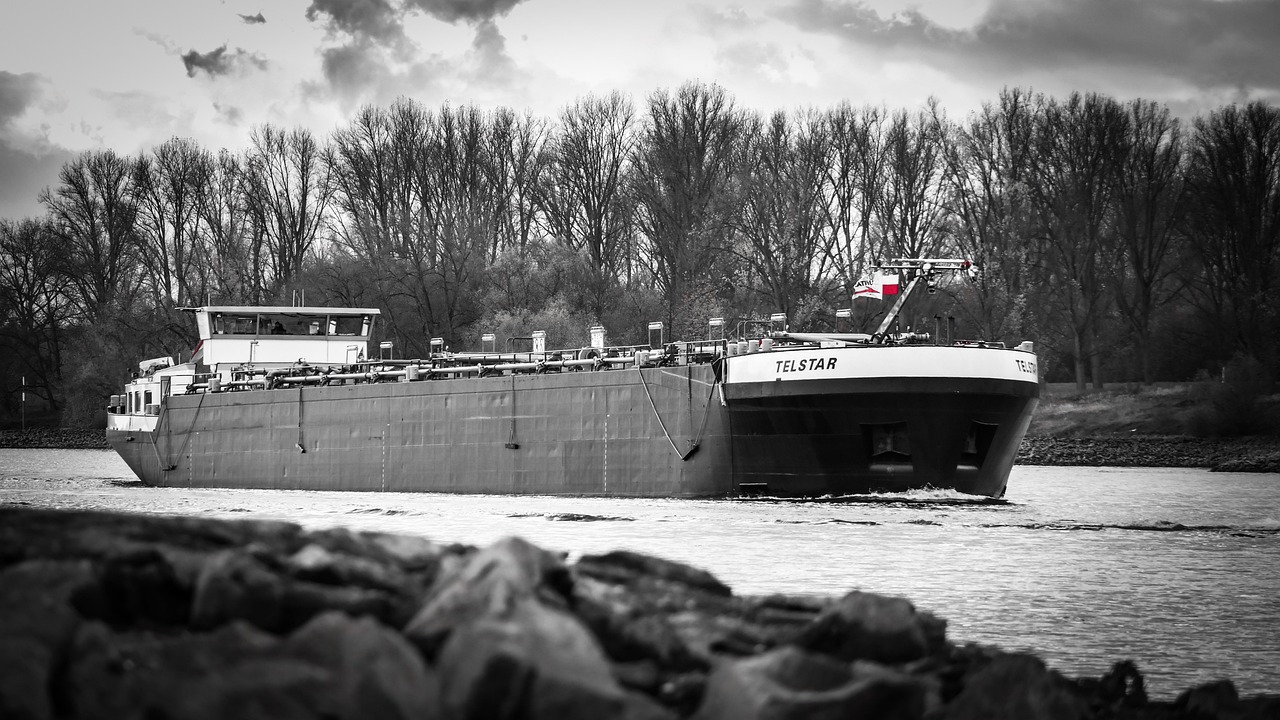
Vista aérea del río Paraná con barcos cargueros navegando por la Hidrovía Paraná-Paraguay, dragas operando en el canal, puerto de Rosario al fondo con silos de granos y estructuras portuarias modernas
The Paraná-Paraguay Waterway (Hidrovía), a fundamental artery for Argentina's economy, has a new operator. The national government awarded the concession to Belgian company Jan De Nul in partnership with Argentine company Servimagnus, ending state management of the country's main export route.
For foreign readers: The Paraná-Paraguay Waterway is South America's equivalent to the Mississippi River commercial corridor. It's a 3,442 km network of navigable rivers connecting Argentina, Brazil, Paraguay, Bolivia, and Uruguay. Think of it as the continent's main export superhighway, transporting soybeans, corn, wheat, and minerals to global markets through Atlantic Ocean ports.
According to Luis Zubizarreta, vice president of the Chamber of Private and Commercial Ports, the new scheme will allow savings of approximately $10 USD per ton in maritime freight costs.
"That's a lot of money going into the pockets of producers, exporters, and even importers. They will receive a better price, and that better price will be the total savings."
The reduction in logistics costs is estimated at 13.5%, a benefit that will be fully transferred to the price producers receive because grain values are determined in the international market.
Jan De Nul has operated the Paraná dredging since the 1990s, following the first privatization under President Carlos Menem.
The 25-year concession includes modernization, expansion, operation, and maintenance of the Trunk Navigable Route. The model is a private-risk concession with no state guarantees: the private company will collect the tolls currently collected by the State and take responsibility for dredging and maintenance works.
| Company | Technical Score | Tariff Offer | Result |
|---|---|---|---|
| Jan De Nul - Servimagnus | 66.20 points | Base rate (lower discount) | AWARDED |
| DEME | 42.14 points | 17.4% more discount | Disqualified |
The bidding process was audited by the United Nations Conference on Trade and Development (UNCTAD), without objections. The Ministry of Economy highlighted that the process received support from private users, business chambers, and riverside provinces.
Reduction in logistics costs
Savings per ton
Concession duration
The new scheme will enable a series of works aimed at:
The greatest benefits are expected with the advancement of river deepening works, which will require several years of continuous work.
Improvements to the waterway will benefit not only Argentina. Neighboring countries like Brazil, Paraguay, and Bolivia will see positive impacts on their trade flows.
A Brazilian delegation reportedly visited Rosario recently to analyze opportunities. Paraguay, with the world's third-largest merchant fleet under the 10-10-10 regime (allowing foreign flags on vessels up to 10 years old), is particularly interested in the project's evolution.
Zubizarreta noted that the transformation must be complemented by two other major concessions the government is preparing:
"Combining railways with rivers, I think we'll have good news," the leader stated.
The Mediterránea Foundation is calling for reform of the Cabotage Law to develop the Upper Paraná. Currently, the flag regime limits the competitiveness of the Argentine fleet compared to Paraguay's. Estimated revenues at the end of the concession would reach USD 15.660 billion.
The award comes after an intense dispute. Competitor DEME attempted to challenge the process, falsely accusing Jan De Nul of operating with the Chinese government. However, the National Ports Agency (AGP) upheld the bid and determined that DEME did not demonstrate the necessary technical background.
In agro-export circles, there were suspicions that behind this strategy was Guillermo Dietrich, former minister under Mauricio Macri, who had always sought to control the Waterway during his administration.
The government will move toward signing the contract in the coming weeks. The State reserves only regulatory and control functions over the route through which 80% of Argentine foreign trade flows.
The concession marks a turning point: moving from a deficit-ridden state system to private management with concrete investment obligations. If executed correctly, it could become one of the main drivers of Argentina's economy in the coming decades.
Sources: La Política Online, Cadena 3

Alfredo S. Quiroga