19/06/2026 06:04 - Tecnologia
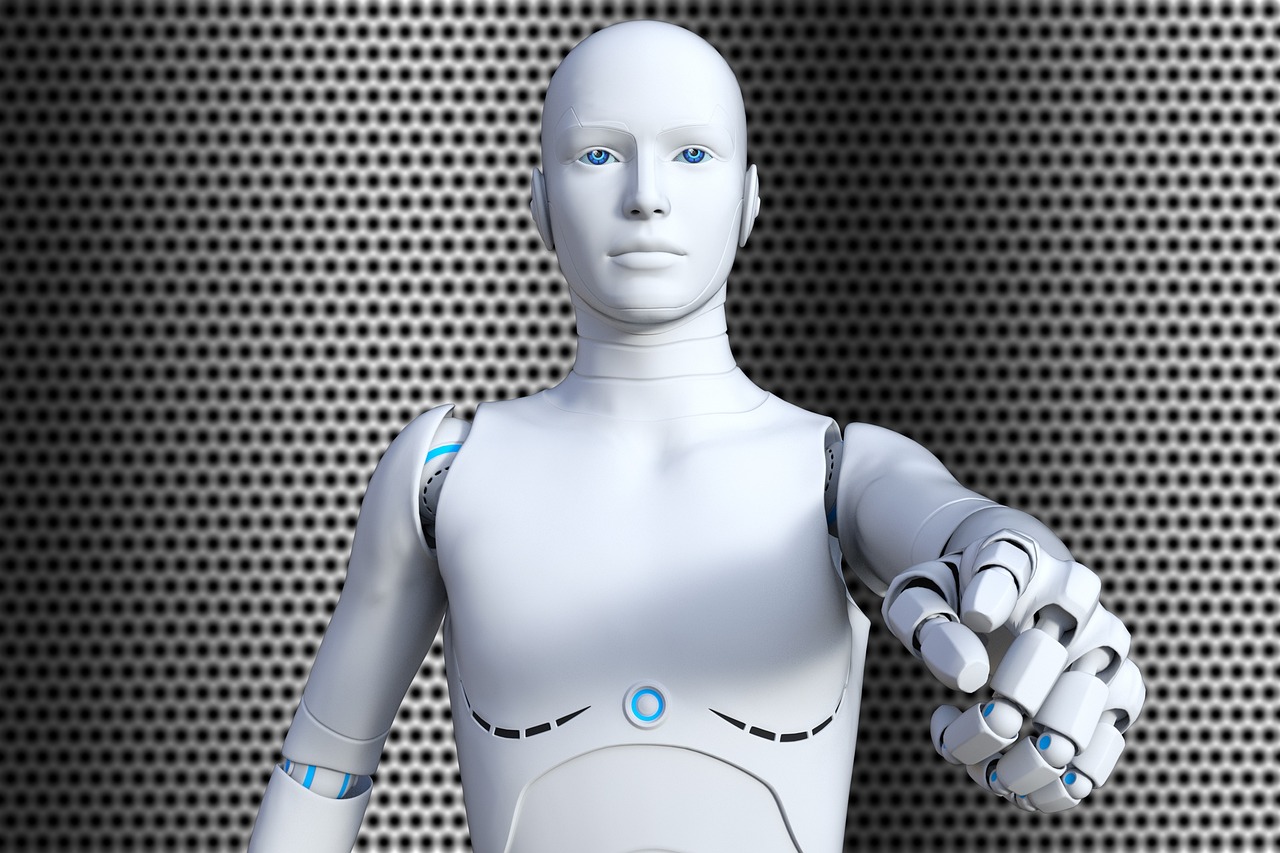
Ilustración conceptual de un debate sobre inteligencia artificial y política, con representaciones abstractas de robots y símbolos legales, estilo editorial moderno
The discussion about the future of artificial intelligence and its legal framework became an unprecedented exchange between Argentine President Javier Milei and renowned Israeli historian Yuval Noah Harari, author of bestsellers like "Sapiens" and "Nexus". At the center of the controversy: whether AI-managed companies should have their own legal personality.
The historian published a column in the Financial Times warning that granting legal personality to non-human companies "could open a dangerous door to the financial, economic, and political system." His central argument: a company managed by AI could have assets, hire employees, participate in international trade, initiate lawsuits, or even finance political campaigns without direct intervention from a human person.
Harari also noted the difficulty of sanctioning an AI as one would sanction a human executive, given that it cannot be sent to prison. "Countries that grant legal personality to AIs run the risk of becoming something for which historical records offer no analogy: not a corporate state, but an AI State," he warned.
In an official letter titled "Legal Personality for AI Companies: Revisiting Harari's Concerns", the Argentine president rejected the historian's fears and argued that far from being a risk, legal personality is an argument in favor of legal framing.
"I would much rather have assets against which I could claim if I am deceived by an AI, than to have no protection at all," Milei stated, arguing that AI companies should be subject to the law like any conventional corporation.
The most controversial passage of the presidential response appears when Milei draws from "I, Robot" (1950) by Isaac Asimov. In that story, a political campaign becomes entangled in suspicion that the leading candidate might be a robot. The president emphasizes that in that fiction, the robot works 24 hours, is honest, and never loses composure.
The phrase generating debate: "Why not try with a robot politician?", Milei wrote. While not presenting it as a formal proposal, the phrase establishes a sensitive comparison between human leaders and artificial intelligence.
Milei maintains that an AI firm would have more incentives to comply with the law than a human. His reasoning: if the company went bankrupt or was dissolved for an infraction, that would equate for the AI to a kind of "death." Therefore, an autonomous company could be more risk-averse than a human executive and would prefer to stay within the legal framework.
The president also sought to deactivate catastrophic scenarios: he stated that granting legal personality to an AI company does not equate to enabling Terminator's "Judgment Day", but rather giving it a development framework comparable to the refuge James Watt needed during the Industrial Revolution.
This debate is framed within the "Super RIGI" project that the Government is promoting in Congress. The initiative offers:
Minister Federico Sturzenegger also promotes a reform of the Companies Law to create the figure of "non-human societies": companies that function exclusively with algorithms.
Sam Altman (CEO of OpenAI) announced USD 25 billion for a data center in Patagonia.
Elon Musk announced the arrival of Tesla and a mega data center in Argentina.
YPF (Argentina's state-owned oil company) signed a strategic partnership with Tesla.
Harari had questioned the proposal by comparing it to the Dutch East India Company. Milei responded that this case "does not demonstrate the danger of corporate legal personality, but the risk of the State delegating sovereign powers" such as territorial administration, military force, or the right to sign treaties. "It was the State that caused and allowed the abuse," the president asserted.
| Concept | Harari's Position | Milei's Position |
|---|---|---|
| Legal personality for AI | Risky, dangerous door | Necessary, generates responsibilities |
| Sanctions for infractions | AI cannot go to prison | Bankruptcy = "death" for AI |
| Concentration risk | AI State, uncontrolled corporations | AI reduces entry barriers |
| Historical analogy | Dutch East India Company | James Watt and Industrial Revolution |
It is the capacity that an entity (such as a company) has to be a subject of rights and obligations, to contract, have its own assets, be sued, and sue. Currently, companies have legal personality but always with humans behind them (shareholders, executives). The Argentine proposal would open the door to companies where human shareholders would not be mandatory.
Javier Milei is the President of Argentina since December 2023. An economist by profession, he won the elections with a libertarian platform promising profound economic reforms. His government has promoted deregulation and opening to foreign investment. This exchange with Harari adds to a series of unconventional presidential communications that have characterized his administration.
Sources: TN, Infobae, Revista Anfibia

Alfredo S. Quiroga