


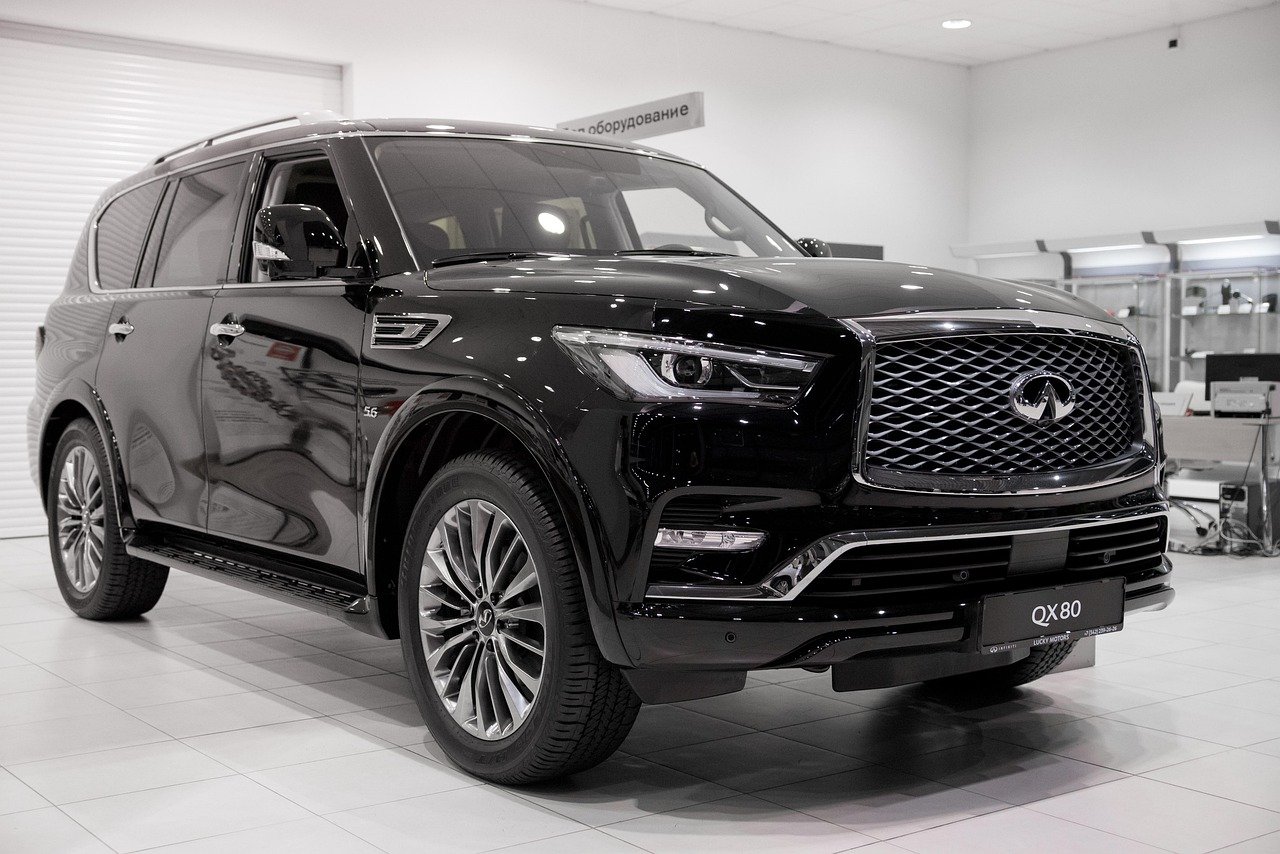
Auto Loans Cannot Stop the Decline: 22,350 Operations in July
The Argentine automotive market is going through a critical period. According to a report by the Association of Automotive Dealerships (Acara), in July 2026, there were 22,350 financed purchases of brand new cars (locally known as '0 km', meaning they have zero kilometers on the odometer). This represents a 28% year-over-year drop and a 4% decrease compared to June. The accumulated figure for the first seven months of the year shows a decline of 13.6%.
This collapse parallels the general downturn in the sector: total registrations (locally called 'patentamientos') of 0 km cars fell by 30.3% year-over-year in July and 12.8% in the year-to-date accumulated figure. The proportion of financed sales over the total remained stable at 49.6%, confirming that the retraction is across the entire market, not just cash operations.
Key Data for July 2026
| Indicator | Value | YoY Variation |
|---|---|---|
| Financed 0 km Operations | 22,350 | -28% |
| Total 0 km Registrations | — | -30.3% |
| Financed Used Car Operations | 10,819 | -22.9% |
| Credit Penetration in 0 km | 49.6% | — |
| Credit Penetration in Used Cars | 6.9% | — |
Brand Financial Institutions Take the Lead
A relevant piece of data from the report is the change in leadership among financing channels. In 2026 so far, the financial institutions owned by the automakers themselves concentrate 44% of the operations, surpassing the traditional savings plans (41%) and banks (13%). For context, 'planes de ahorro' are a very popular Argentine scheme where a group of buyers pays monthly installments and cars are awarded via lottery or auction. This phenomenon had already been observed in June and marks a clear trend: automakers are taking control of credit to sustain their sales.
Among the manufacturers, Stellantis leads the ranking of financed sales: Peugeot with 73% of its registrations, Citroën with 71%, and Fiat with 69%. They are followed by Nissan (67%), Renault (60%), Chevrolet (58%), and Volkswagen (54%). At the opposite end, Toyota is the generalist brand with the lowest proportion of installment sales (33%), while brands like Chery (21%), Honda (17%), and BYD (11%) are just beginning to venture into this scheme.
Used Cars: Banks Lose Prominence
In the used car segment, auto loans totaled 10,819 operations in July, which is 8.8% more than in June but 22.9% less than in July 2025. Credit penetration over total transfers reached 6.9%, an upward trend, but with a significant structural change: banks reduced their participation from 63% in 2025 to 35% in 2026. That space was occupied by independent financial institutions (23%), brand financial institutions (14%), and mutuals or cooperatives (10%).
This phenomenon reflects the lack of accessible bank credit for used cars and the growing presence of alternative channels, in a context of high interest rates and financial restrictions.
A Market in Waiting
The automotive industry expected credit to drive recovery, but July's results were the worst of the year. The drop in financed sales accompanies the general market trend, which has accumulated 13 months of declines in private employment and an interannual inflation of 33.8% that erodes household purchasing power.
The positive note: credit penetration remains stable (49.6% in 0 km cars), suggesting that when the market recovers, financing will continue to be a key channel. The evolution of interest rates and exchange rate stability will be determinant for the coming months, bringing hope for a gradual reactivation of the sector.