15/07/2026 04:37 - Internacionales
According to reports published on July 14, 2026, the renowned singer Dua Lipa, of Albanian descent through her parents, has raised her voice to oppose a tourist project driven by former US President Donald Trump's circle in Albanian territory.
The performer of global hits has used her massive media influence to back local communities and environmental organizations that fear the construction of a mega-luxury resort could cause irreversible damage to the region's fragile ecosystem. For Dua Lipa, protecting the natural and cultural heritage of the Balkans—a region in Southeastern Europe with a rich history and diverse landscapes—is a responsibility that transcends borders and must be defended with hope and determination.
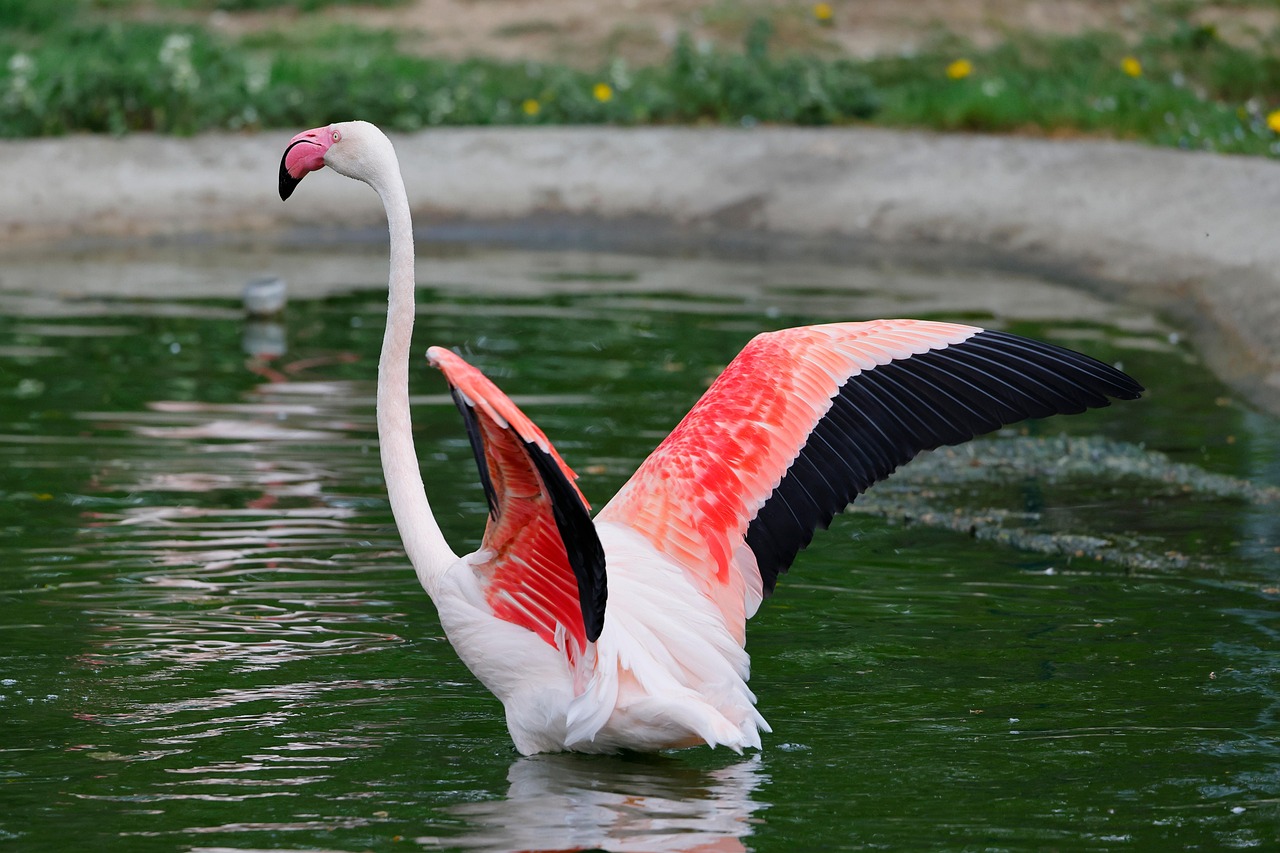
The conflict has generated a social movement baptized by the media as the 'flamingo revolution'. This name refers to the populations of these birds that inhabit the Albanian coast and whose survival could be threatened by the massive urbanization of their natural habitat.
Protesters and environmental experts argue that large-scale tourist infrastructure development, without proper environmental impact studies, could destroy crucial wetlands for biodiversity. The 'flamingo revolution' has become a symbol of peaceful resistance, seeking a balance between economic development and nature preservation.
The project in question is linked to commercial interests of Donald Trump's inner circle, who has shown interest in expanding his real estate and tourist operations to Eastern Europe and the Balkans. While specific investment details have not been fully confirmed, the mere association with the Trump environment has generated intense political and social debate in Albania.
Opponents of the project claim that sustainable and environmentally respectful tourism should be prioritized over mega-projects that alter the natural landscape. Meanwhile, promoters argue that these investments could bring economic development and employment to the region, although the community and figures like Dua Lipa demand real guarantees of environmental protection.
Despite the tension, the situation opens an invaluable opportunity to debate the development model that Balkan countries wish to adopt in the future. The intervention of high-profile public figures like Dua Lipa has managed to put the issue on the international agenda, drawing eyes to Albania not only for its natural beauty but for the vitality of its civil society.
Peaceful activism and the defense of local species, such as flamingos, demonstrate that it is possible to organize constructive resistance based on love for the land. It is hoped that the involved parties can soon find a path of dialogue that allows economic progress without sacrificing the invaluable natural treasure of the Balkans.

Alfredo S. Quiroga