03/07/2026 09:26 - Deportes
On July 1, 2026, at the BMO Field in Toronto, Canada—one of the host cities for the 2026 FIFA World Cup co-hosted by the US, Mexico, and Canada—Portugal and Croatia delivered one of the most exciting nights of the Round of 16. With a final score of 2-1 in favor of Portugal, the team managed by coach Roberto Martínez secured their spot in the quarterfinals, where they will face Spain.
The goals came in a frantic second half. Ivan Perisic opened the scoring for Croatia, but Cristiano Ronaldo, one of the greatest soccer players of all time, equalized from the penalty spot, and Goncalo Ramos scored the decisive 2-1 in the final minutes of regulation time.
When the clock showed 103 minutes of play, Croatia believed they had found a dramatic late equalizer. After a cross from Perisic, the ball bounced loose in the penalty area, and defender Josko Gvardiol pushed it into the back of the net. The Croatian euphoria lasted only seconds, as Norwegian referee Espen Eskas was called by the VAR (Video Assistant Referee), a system used to review decisions made by the head referee.
According to Argentine media outlets such as La Gaceta and TyC Sports, the review determined there was a prior offside. A Croatian forward was actively involved in the play from an offside position, automatically invalidating the goal.
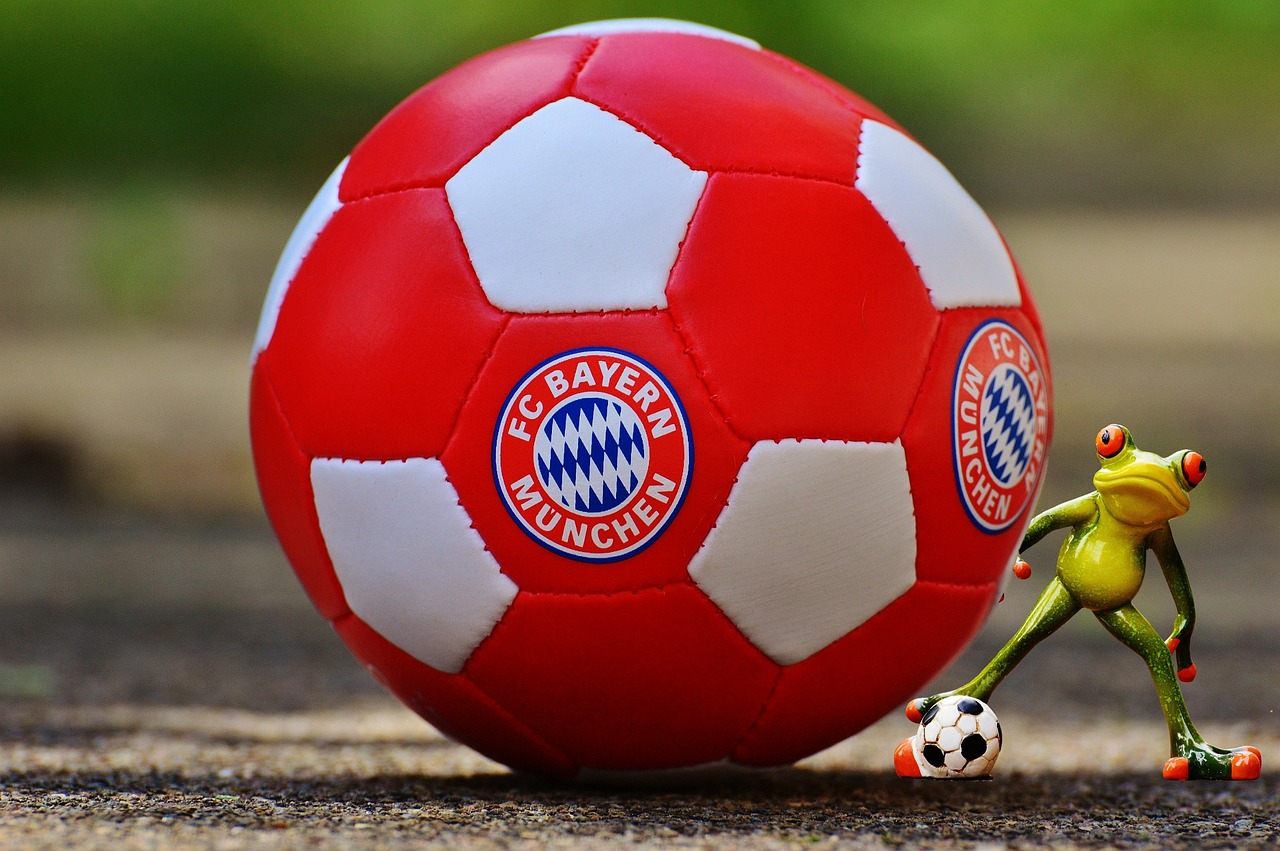
The decision was not based solely on traditional broadcast cameras. The official World Cup ball, the Trionda, features an Inertial Measurement Unit (IMU) motion sensor installed in one of its panels. This chip collects detailed data of every touch and sends it to the VAR room in real-time.
In this specific play, the technology detected a slight touch by Croatian player Igor Matanović that was impossible to see with the naked eye. During the television broadcast, this was shown as a 'heartbeat graphic'—a line that spiked upwards exactly at the moment of contact, proving the ball had been deflected and affecting the players' positioning.
The semi-automated VAR system uses 16 specialized cameras that track the positions of the ball and players 50 times per second, collecting 29 data points per player in each frame to ensure accurate and fair decisions.
The chipped ball technology was already a protagonist in the 2022 World Cup in Qatar, but on that occasion, it denied a goal to Cristiano Ronaldo against Uruguay by proving the Portuguese star had not touched the ball. In this 2026 World Cup edition, the technology ended up favoring his national team, giving them passage to the next round on a night full of emotion and suspense.
Sources like Clarin highlight how the regulations were applied strictly, validating that technological intervention is fundamental to maintaining transparency and fairness in modern soccer.

Alfredo S. Quiroga