30/06/2026 09:04 - Internacionales
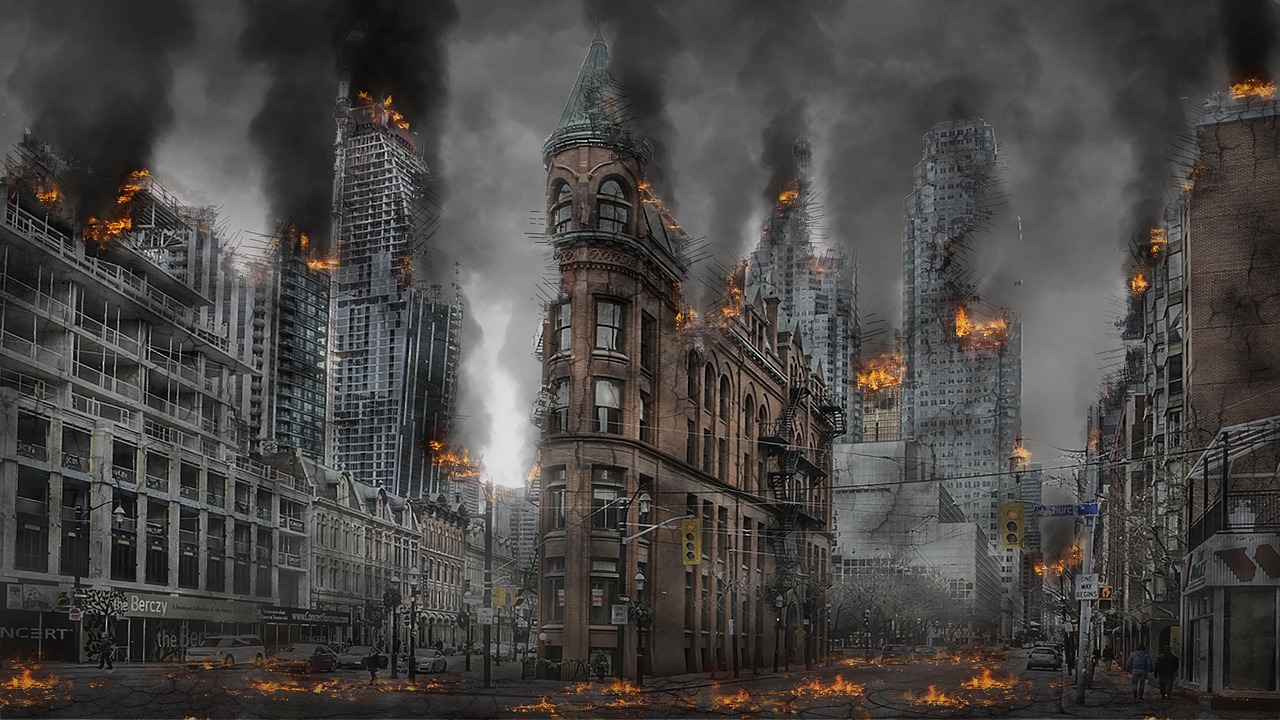
The tragedy unfolding in Venezuela since June 24, 2026 takes on a terrifying dimension thanks to technology. While rescue teams fight against time and lack of resources, the National Aeronautics and Space Administration (NASA) activated its Disaster Response Coordination System to map the devastation.
The comparison of images from the Sentinel-1 satellite (ESA's Copernicus program) before and after the earthquake detected widespread structural damage from Caracas to Puerto Cabello.
The official toll increases daily. The UN estimates over 50,000 missing, a figure that includes possible duplicate records but reflects the magnitude of uncertainty.
In La Guaira state—the epicenter of the tragedy—despair has mutated into rage. Residents of Torre Oppe33 and other affected areas denounce the lack of heavy machinery. "Machines! We want machines! We're tired!" shout family members who have spent days digging with their bare hands.
Fuel shortages and power outages have hampered rescue operations. Although nearly 3,000 international rescuers (from Turkey, Chile, Mexico, Spain, the United States, Qatar, and others) are working on-site, logistics have collapsed. Images shared by residents show parking lots converted into improvised open-air morgues, overwhelming the healthcare system's response capacity.
The management of interim president Delcy Rodríguez faces strong criticism. The interruption of rescue work for televised gestures and the visible military presence without rescue tools have ignited popular discontent.
According to El País, Machado announced her intention to return to Venezuela to "accompany her people," although the Trump Administration reportedly suggested she not travel during the emergency to avoid complicating stability in the disaster zone.
The damage map published by NASA uses synthetic aperture radar (SAR) technology that can penetrate clouds and detect millimetric changes in the Earth's surface. This allows identification of which structures have been deformed or collapsed, guiding rescue teams to the areas of greatest need.
"The chances of finding signs of life under the concrete slabs are minimal, and residents feel abandoned."
La Guaira is a coastal state about 30 miles from Caracas, Venezuela's capital. Puerto Cabello is the country's largest port, located about 150 miles west of the capital. The affected region is home to millions of people and critical infrastructure.

Alfredo S. Quiroga