29/06/2026 15:54 - Economia
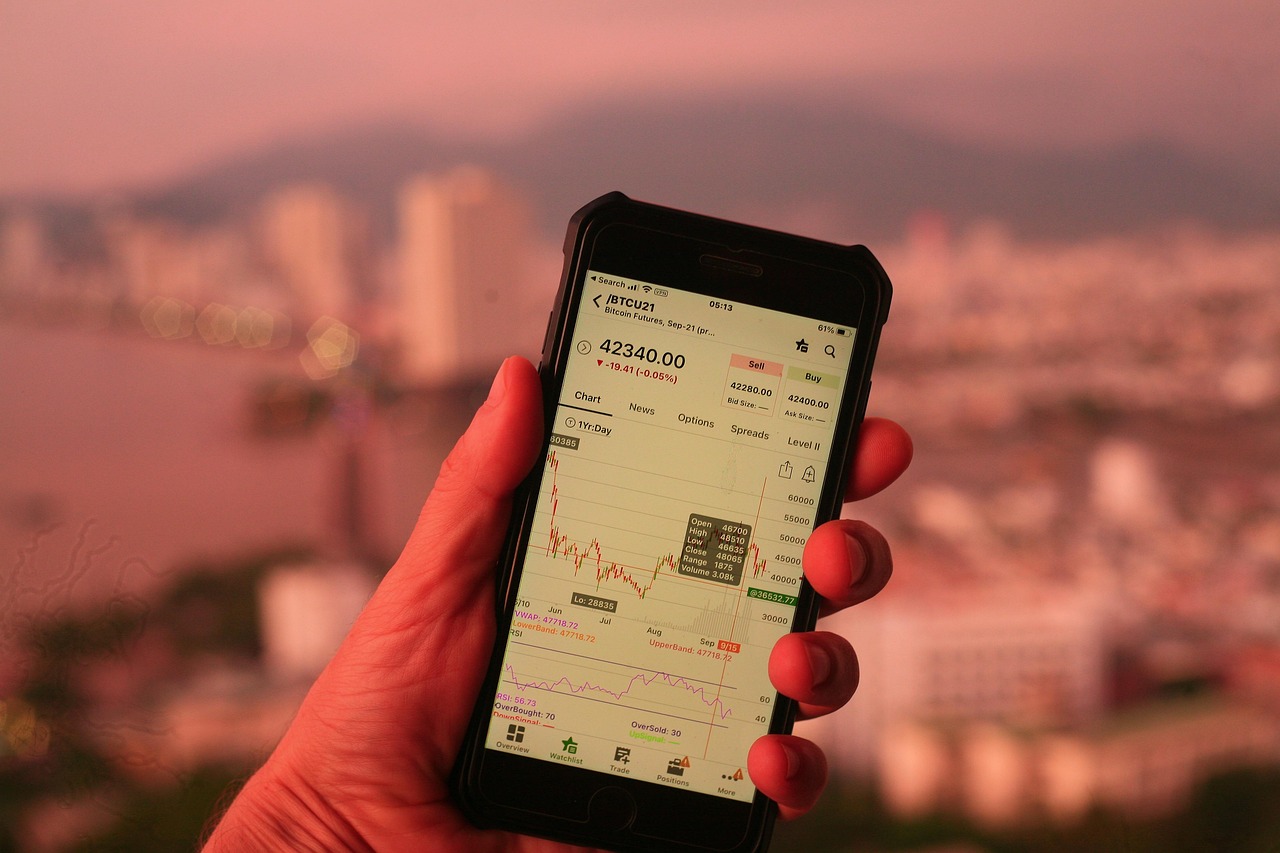
Argentine financial assets traded mostly higher in the final session of June 2026, reflecting a clearly positive response from financial markets to the political changes that occurred in the national government over the weekend.
According to reports from Ámbito, ADRs (Argentine Depositary Receipts)—certificates representing shares of Argentine companies traded on Wall Street—rose up to 4.1%, led by Banco BBVA. Meanwhile, the country risk measured by J.P. Morgan retreated to 428 basis points, approaching the psychological threshold of 400 points.
The S&P Merval is Argentina's main stock market index, tracking the most liquid companies on the Buenos Aires Stock Exchange.
Dollar bonds are Argentine government debt securities denominated in US dollars, crucial for international investors seeking exposure to the country.
The stock market appears to be reacting favorably to changes in the national Cabinet. The departure of Manuel Adorni after four months of scandals involving a 775% increase in his personal wealth (from 20 million pesos to 944 million pesos, approximately from USD 20,000 to USD 944,000 at the official rate) and the arrival of Diego Santilli as the new Cabinet Chief created a climate of greater confidence among investors.
Diego Santilli, 59, is an accountant and former vice-mayor of the Autonomous City of Buenos Aires (CABA) from 2015 to 2021. He achieved an electoral comeback in October 2025 with 41.5% of votes in Buenos Aires Province—the largest electoral district in the country—and maintains good relationships with key government figures Karina Milei (the president's sister and influential advisor) and Santiago Caputo (political strategist).
The official exchange rate opened the week at 1,495 pesos (selling price) at Banco Nación (Argentina's national bank), accumulating an increase of nearly 5% in June, representing the largest monthly rise in almost a year.
Future contracts project a rate of 1,504 pesos for July 2026 and 1,653 pesos for December 2026. However, economists rule out a crisis scenario, interpreting the movement as a seasonal correction within the current crawling peg exchange system—a mechanism where the currency depreciates gradually at a pre-announced rate.
Central Bank purchases in 2026
International Reserves
Record Trade Surplus (May)
The Ministry of Economy will conduct the second round of the auction for the Bonar 2028 (AO28) bond with the objective of capturing the remaining USD 100 million that will complete the authorized quota of USD 2 billion for this instrument.
This operation is part of the strategy to strengthen the Treasury's position ahead of a payment of approximately USD 4.2 billion to bondholders, scheduled for July 9—Argentina's Independence Day, when financial markets are closed.
"The key will be finding a balance between a dollar that is not too delayed to prevent reserve accumulation, nor too advanced to hinder disinflation." — Roberto Geretto, analyst at Adcap Grupo Financiero.
The reopening of the Strait of Hormuz reduces a significant risk factor for financial assets. The strait is a critical chokepoint for global oil shipping. Attention will remain on negotiations between the United States and Iran, according to consulting firm Balanz.
Brent crude oil prices retreated from USD 138 per barrel (peak in April 2026) to approximately USD 80 per barrel. The Dollar Index (DXY)—which measures the US currency against a basket of major currencies—reached 101.5 points, its highest level since March 2025. Meanwhile, the Brazilian real depreciated 5.7% over seven weeks, providing regional context for currency movements.
| Indicator | Projection |
|---|---|
| Official Dollar (December 2026) | 1,653 pesos |
| Inflation 2026 | 29% |
| Inflation 2027 | 20% |
| Current Account Deficit Q1 2026 | USD 1.651 billion |
| Trade Surplus May 2026 | USD 3.504 billion |
Source: BBVA Research and Central Bank of Argentina (BCRA) data
The combination of improving political stability, declining country risk, and strong central bank reserves suggests Argentina's economic stabilization plan continues to gain credibility. The appointment of Santilli—a seasoned politician with executive experience—signals a pragmatic approach to governance. For international investors, Argentine assets currently offer high yields relative to developed markets, though they carry correspondingly higher risks.

Alfredo S. Quiroga