20/06/2026 03:04 - Economia
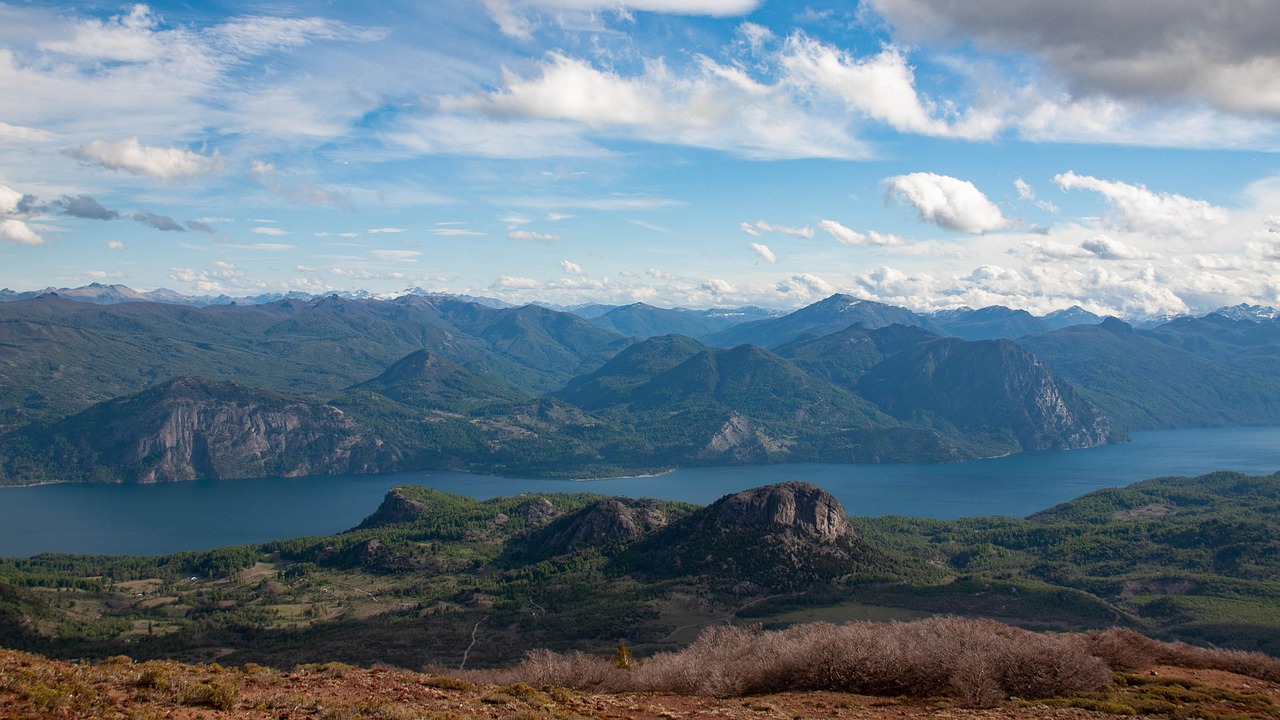
Planta de Gas Natural Licuado en la Patagonia argentina con vista aérea de tanques de almacenamiento, ductos y montañas nevadas al atardecer
Governors Rolando Figueroa (Neuquén) and Alberto Weretilneck (Río Negro) agreed that the agreement with YPF to develop the Liquefied Natural Gas (LNG) project represents a historic opportunity for the region. The project, which will be debated next week in Neuquén's Legislature, contemplates an investment of $25 billion and fiscal stability for 30 years.
Vaca Muerta ("Dead Cow" in Spanish) is one of the world's largest shale oil and gas formations, located in Neuquén Province, northern Patagonia. Spanning approximately 30,000 square kilometers, it's comparable to the Permian Basin in the United States and represents Argentina's best chance at energy self-sufficiency and export capacity.
During a meeting organized by the Consejo Federal de Inversiones (CFI), Governor Weretilneck stated: "We tip our hats to what has been achieved and how the province's interests have been defended, without losing sight of the general interest."
YPF will formalize five new unconventional hydrocarbon exploitation concessions in Vaca Muerta. Unconventional exploitation refers to extracting oil and gas from shale rock using hydraulic fracturing ("fracking"), which requires specialized technology and significant investment.
| Concession Name | Type |
|---|---|
| Meseta Buena Esperanza I | Unconventional Exploitation |
| Meseta Buena Esperanza II | Unconventional Exploitation |
| Las Tacanas I | Unconventional Exploitation |
| Las Tacanas II | Unconventional Exploitation |
| Aguada Villanueva Norte | Unconventional Exploitation |
These areas were recently concessioned with a 12% royalty rate, as noted by Deputy Darío Martínez during committee debates.
Governor Weretilneck reported that the Vaca Muerta Oil Sur (VMOS) project—the oil export terminal at Punta Colorada on the Atlantic coast—has reached 70% completion. This is a critical piece of infrastructure:
COMPLETED
Finished ~7 months ago
70%
Allen location advancing
3 of 6 built
50% complete
Goal: Begin exports during the first four months of 2027, positioning Río Negro as "the largest export hub in Latin America" by 2028.
Governor Figueroa emphasized: "If we don't fill the pipelines at competitive values to reach the world market, we won't be able to sell our production."
The unions ATE, ATEN, Sejun, and Adunc (representing state employees) called for a strike and gathered outside the Neuquén Legislature. Their central argument highlights the contradiction between resigning fiscal revenues while facing upcoming public sector wage negotiations.
Union representative Quintriqueo clarified: "We agree with LNG development. What we don't agree with is the current surrender of provincial resources."
Ernesto Novoa (Community Party), president of Commission A, described the agreement as "a viable project that will be very good for Neuquén," highlighting conditions of political, legal, and economic stability.
Damián Canuto (PRO-NCN), president of Commission J, stated the premise is "generating foreign currency that will benefit mainly Neuquén, but also the country."
Francisco Lepore (Avanzar) defined it as "a foundational agreement that will allow us to increase gas production by more than 50%. It will leverage work and SMEs."
Carlos Koopmann, mayor of Zapala, recalled the 2013 agreement with YPF that turned Neuquén into "the country's energy lighthouse" and defended the province's historic legal security.
The project received committee approval and will be debated in Neuquén's Legislature session next week. A majority vote is required for approval. If passed, this could mark a transformative moment for Argentina's energy sector and its integration into global LNG markets.

Alfredo S. Quiroga