15/06/2026 12:59 - Economia
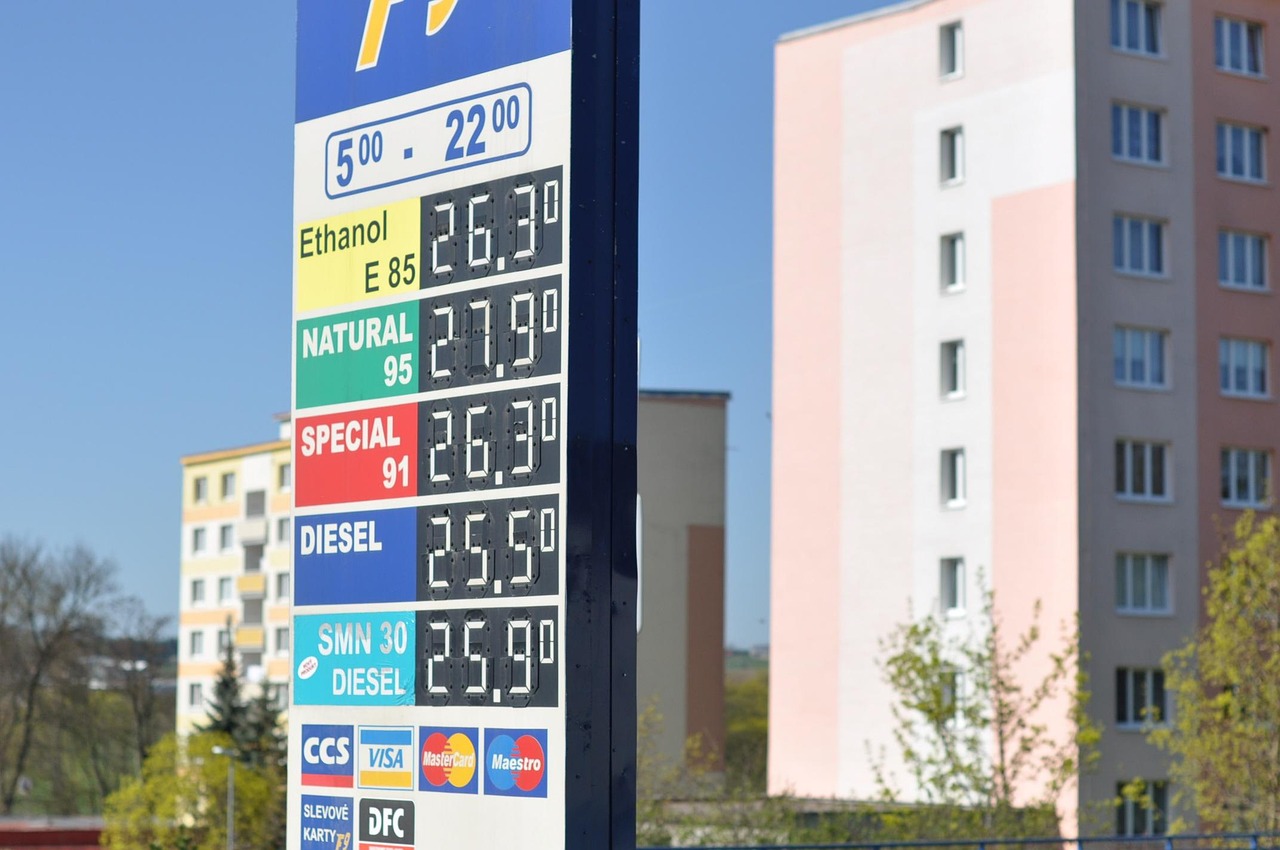
Estación de servicio moderna con surtidores de nafta y gasoil en un día soleado, precios digitales visibles en pantallas LED, con gráficos de tendencia bajista superpuestos de forma sutil
International markets celebrated the announcement of the peace agreement between the United States and Iran, which will end more than three months of conflict in the Middle East. The price of Brent crude, the international benchmark, plummeted below USD 80 per barrel, marking a drop of more than 3% in the session and accumulating a decline of more than 20% from the peak of USD 110 recorded one month ago.
US President Donald Trump celebrated the agreement on his Truth Social platform with a forceful message: "Ships of the World, start your engines. Let the oil flow!". Meanwhile, Pakistani Prime Minister Shehbaz Sharif confirmed on X the "immediate and permanent termination of military operations on all fronts, including Lebanon."
The Strait of Hormuz—a critical waterway through which approximately 20% of the world's oil flows—will reopen after months of blockade, ensuring the normal flow of hydrocarbons to global markets.
The good news from international markets has a nuance for Argentine consumers: gasoline and diesel prices will not immediately reflect this drop. Daniel Dreizzen, director of the consultancy Aleph Energy, explained that "minimum for 2 months they will not drop to compensate for the buffer, which was set around a Brent of USD 95 per barrel".
The price buffer is a mechanism implemented by YPF—Argentina's state-controlled energy company—to dampen fuel volatility. During the conflict, when oil prices rose, local prices did not increase proportionally. Now, when crude prices fall, prices are maintained to compensate for that differential.
The drop in oil prices also raises questions about investments in Vaca Muerta, one of Argentina's most important energy projects and one of the world's largest shale oil and gas formations, located in Neuquén Province. Dreizzen noted that "at USD 80 per barrel it remains a very competitive price for investment", but warned that "at USD 65 it gets too close to the breakeven"—the equilibrium price necessary for investments to remain profitable.
Regarding Liquefied Natural Gas (LNG) exports, Argentine projects could face competitiveness challenges if international prices fall below USD 10 per million BTU.
The conflict that began on February 28, 2026 left a toll of more than 3,700 deaths, primarily in Lebanon. The peace agreement includes:
WTI, another international oil benchmark, also fell more than 4% and trades at USD 80.61 per barrel.

Alfredo S. Quiroga
Conspiraciones