15/06/2026 12:22 - Internacionales
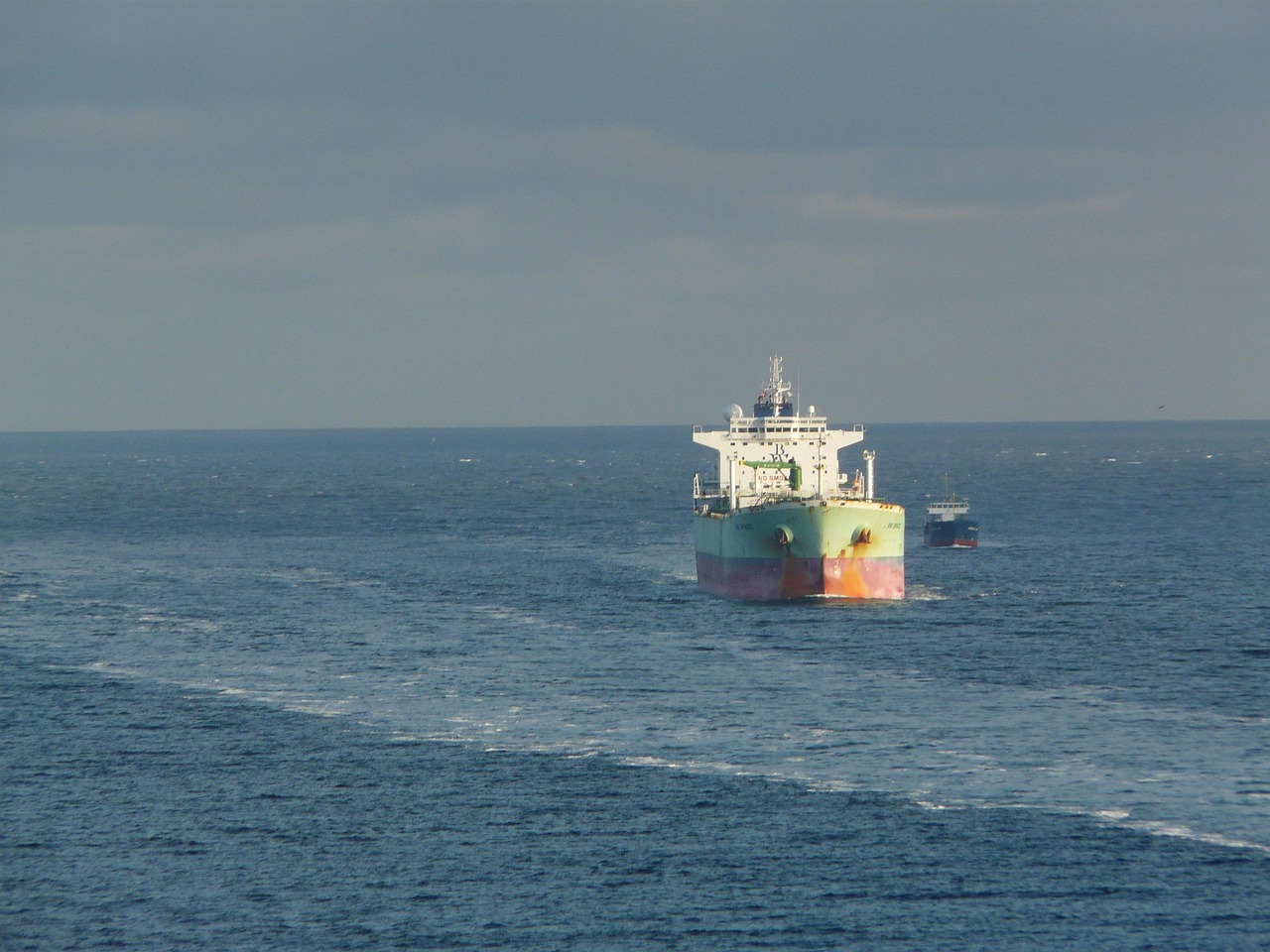
El Estrecho de Ormuz visto desde satélite, mostrando el paso estratégico entre Irán y Omán por donde transita el 20% del petróleo mundial, con buques petroleros navegando las aguas azules del Golfo Pérsico
Donald Trump turned 80 years old on June 14, 2026, and chose that milestone date to announce one of the most ambitious achievements of his presidency: a framework agreement to end hostilities with Iran. The message was direct: "Let the oil flow!", accompanied by the promise that the Strait of Hormuz would reopen to commercial maritime traffic and the United States would lift its naval blockade.
The Strait of Hormuz is a narrow waterway between Iran and Oman that connects the Persian Gulf to the Gulf of Oman and the Arabian Sea. It is one of the world's most critical shipping lanes, with approximately 20% of global oil consumption passing through this chokepoint daily. Its closure during the conflict caused significant disruption to global energy markets, making its reopening essential for international trade.
Vice President J.D. Vance stated in an interview with Fox News that Iran's commitment to not possess nuclear weapons was "enshrined in this agreement" and that the United States would be able to verify compliance. However, experts point out that crucial aspects remain unclear:
Iran's Supreme National Security Council issued a statement saying that "final negotiations will be postponed until the other party fulfills its commitments", raising doubts about the effective implementation of the agreement.
| 06/14/2026 | Agreement announced |
| 06/15/2026 | G7 Summit begins in Évian |
| 06/19/2026 | Official signing in Geneva |
| 60 days | Ceasefire period for technical negotiations |
The official signing is scheduled for June 19 in Geneva, Switzerland, with mediators from Pakistan, Qatar, Saudi Arabia, and Turkey.
Following the announcement, oil prices experienced a significant decline as markets reacted to the potential reopening of the strategic waterway:
USD 84/barrel
Fall of over 4%
USD 80/barrel
Fall of 5.6%
Christine Lagarde, President of the European Central Bank (ECB), welcomed the agreement but cautioned that "history has not ended" and noted that the issue of uranium enrichment "remains to be debated".
Trump told the Wall Street Journal that he was "furious" with Israeli Prime Minister Benjamin Netanyahu for ordering attacks on Lebanon over the weekend, which could have torpedoed the agreement with Iran.
Israel attacked more than 70 Hezbollah targets in southern Lebanon and bombed the Dahye neighborhood in Beirut, leaving at least 3 dead and 6 wounded.
Hezbollah is a Lebanon-based militant group and political party backed by Iran. It has been designated as a terrorist organization by several Western countries, while being a significant political force within Lebanon.
Iranian Foreign Ministry spokesman Esmail Baqai declared that Tehran "trusts neither Israel nor the United States" and demanded the total cessation of Israeli aggression.
The United Nations High Commissioner for Human Rights, Volker Türk, called for an immediate end to hostilities and announced an independent investigation mission.
Additionally, at least 18 protesters were executed in Iran since January 2026 for "national security reasons," according to the UN.
One of the most controversial points of the agreement emerged when Iran's Ministry of Foreign Affairs announced it would charge fees to ships passing through the Strait of Hormuz:
"We have always stated that we do not seek to collect transit tolls, but fees will be charged for navigation services, environmental protection, maritime insurance, and other necessary services."
French President Emmanuel Macron stated that the "priority" is the reopening of Hormuz and that "we will do everything possible to ensure there is no toll".
The Iranian news agency Fars indicated that in the final moments of negotiation, the text was amended to emphasize "the sovereignty of Iran and Oman over the strait".
A YouGov poll revealed that 63% of Americans disapprove of Trump's economic management and 57% believe the economy is worsening. The speed at which energy prices fall will be key for the midterm elections in November.
Vance promised that "energy prices would begin to decrease", although energy market experts warn that returning to pre-war levels could take weeks, including mine clearance, clearing accumulated vessels, and restoring regular transport.
Sources: BBC News Mundo | Deutsche Welle

Alfredo S. Quiroga
Conspiraciones