ULTIMAS
Molécula dual podría revolucionar el tratamiento de la apnea del sueño Trump celebró sus 80 años con un histórico show de UFC en la Casa Blanca Ecuador vs Costa de Marfil: el duelo clave del Grupo E en el Mundial 2026 Manu Urcera sorprendió al revelar el regalo que le hizo a su hijo de 2 años con Nicole Neumann El Turco García confirmó su separación de Mariela Prieto tras su ingreso a Gran Hermano NASA activó protocolos de defensa planetaria por asteroide con riesgo de impacto en 2032 Acuerdo de paz entre EE.UU. e Irán: Ginebra será sede de la firma histórica que pone fin al conflicto Milei confirma gira internacional: Madrid, Mercosur en Paraguay y festejos del 4 de julio en EE.UU. Murió Taty Almeida, histórica referente de Madres de Plaza de Mayo a los 95 años Bacterias modificadas logran reducir tumores de hígado y páncreas en ratones Molécula dual podría revolucionar el tratamiento de la apnea del sueño Trump celebró sus 80 años con un histórico show de UFC en la Casa Blanca Ecuador vs Costa de Marfil: el duelo clave del Grupo E en el Mundial 2026 Manu Urcera sorprendió al revelar el regalo que le hizo a su hijo de 2 años con Nicole Neumann El Turco García confirmó su separación de Mariela Prieto tras su ingreso a Gran Hermano NASA activó protocolos de defensa planetaria por asteroide con riesgo de impacto en 2032 Acuerdo de paz entre EE.UU. e Irán: Ginebra será sede de la firma histórica que pone fin al conflicto Milei confirma gira internacional: Madrid, Mercosur en Paraguay y festejos del 4 de julio en EE.UU. Murió Taty Almeida, histórica referente de Madres de Plaza de Mayo a los 95 años Bacterias modificadas logran reducir tumores de hígado y páncreas en ratones
Español English 中文 Português Français Italiano Deutsch

Modified Bacteria Successfully Reduce Liver and Pancreas Tumors in Mice

15/06/2026 04:57 - Salud
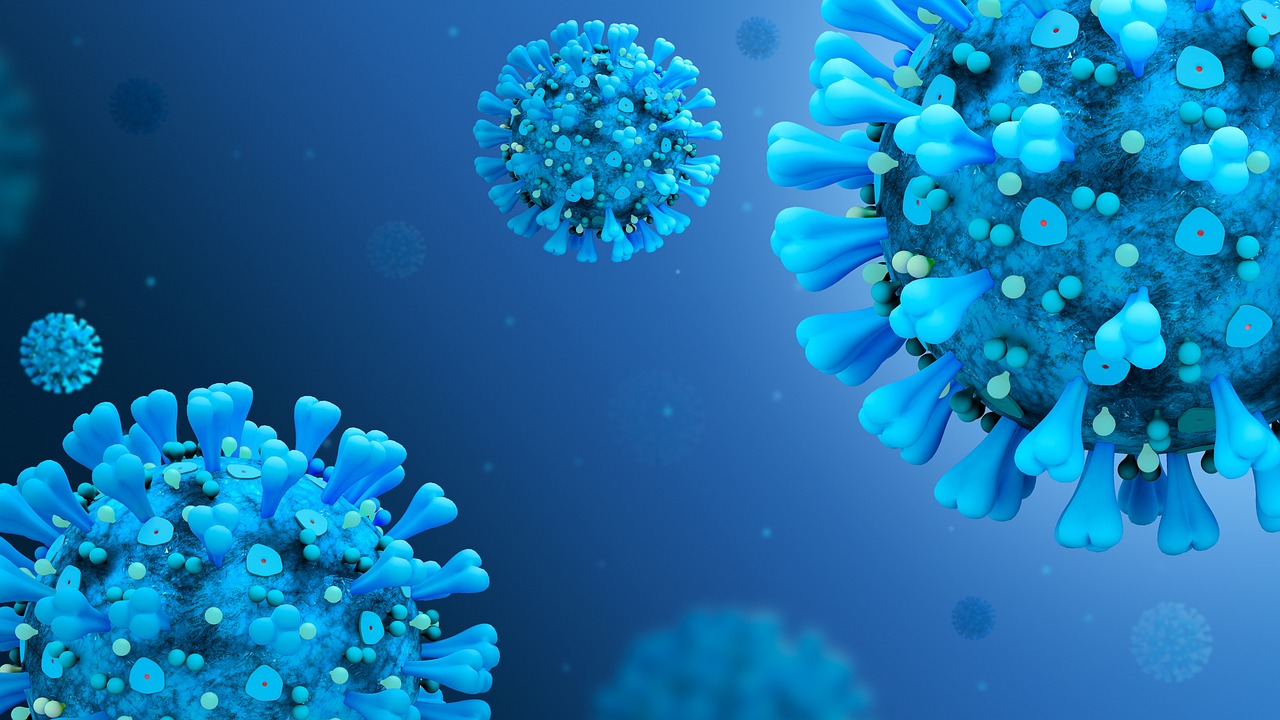
Ilustración científica 3D de bacterias fluorescentes atacando células tumorales en tejido orgánico, con tonos azules y púrpuras que evocan microscopía médica moderna

A Hopeful Breakthrough in the Fight Against Cancer

Scientists have achieved a revolutionary discovery in the field of oncology: genetically modified bacteria successfully significantly reduced liver and pancreas tumors in laboratory mice. This finding, published on June 14, 2026, represents a new frontier in developing therapies against two of the most aggressive and difficult-to-treat cancer types.

Researchers used specific bacteria that, once introduced into the organism, can locate and attack tumor cells selectively, without damaging surrounding healthy tissue. This approach represents an innovative alternative to traditional treatments like chemotherapy and radiation therapy.

How Does This Bacterial Therapy Work?

The mechanism of action of these bacteria is based on their natural capacity to proliferate in low-oxygen environments, a common characteristic of solid tumors. Scientists exploited this property to transform them into true Trojan horses against cancer.

Once the bacteria reach the tumor, they release genetically programmed therapeutic agents that attack cancer cells from within. This method allows for much more precise and localized action than conventional systemic treatments, potentially reducing the devastating side effects associated with traditional cancer therapies.

Types of Cancer Treated
  • Liver cancer: One of the deadliest forms, with low survival rates worldwide
  • Pancreatic cancer: Extremely aggressive, notoriously difficult to detect early
Advantages of the Bacterial Approach
  • Greater selectivity toward tumor tissue
  • Reduced damage to healthy cells
  • Possibility of localized administration
  • Potential to combine with other therapies

The Path Toward Human Applications

Although results in murine models are extremely promising, scientists warn that a long path remains before this therapy can be applied to human patients. Clinical trials in humans are a complex process requiring multiple phases of safety and efficacy evaluation.

However, this discovery opens new doors in oncological research and could lead to developing more effective and less invasive treatments for cancer types that currently have very unfavorable prognoses.

What Do These Findings Mean?

The research represents a significant advance in the field of bacterial oncology, an emerging area of study seeking to use modified microorganisms to fight cancer. While application in humans is still in development, results demonstrate the remarkable potential of this therapeutic approach for future generations of patients.

Source: Infobae

Noticias de Hoy