14/06/2026 15:35 - Economia
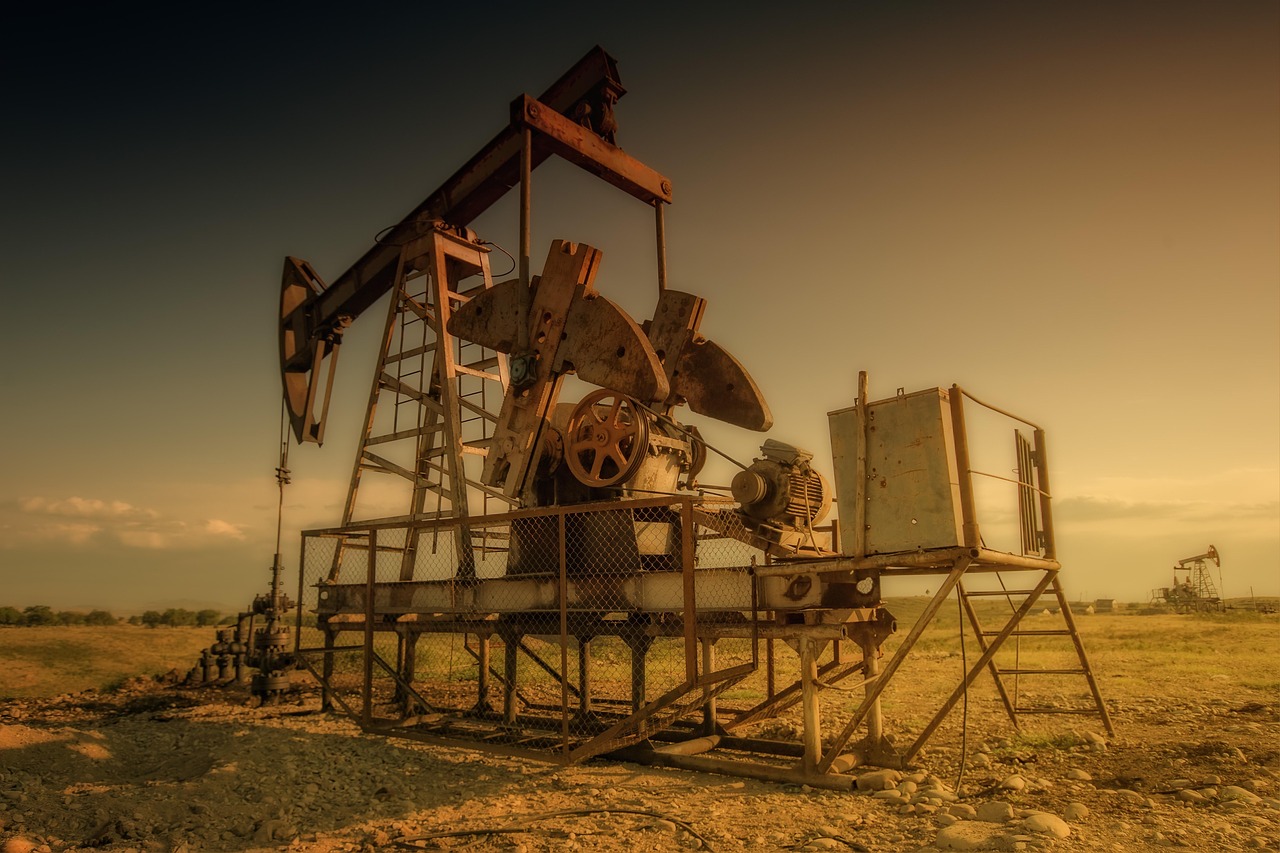
Tanques de almacenamiento de petróleo en Cushing Oklahoma con oleoductos industriales y cielo nublado al atardecer
The world is experiencing the largest oil supply disruption in history. Strategic reserves that cushioned the impact of the Strait of Hormuz closure are reaching their operational limits, and markets face a scenario of total uncertainty.
Strategic Petroleum Reserves (SPR) are government-owned stockpiles of crude oil maintained by countries for emergency use during supply disruptions. Think of them as a national "rainy day fund" but for energy. The United States maintains the largest reserve, established in 1975 after the Arab oil embargo caused shortages and panic.
After more than 100 days of the Third Gulf War, which began on February 28, 2026, oil markets managed to remain stable thanks to this emergency mechanism. However, this safety cushion is depleting at an alarming rate.
Member countries of the International Energy Agency (IEA) — an autonomous intergovernmental organization established in 1974 to ensure oil supply security — committed in March 2026 to release 400 million barrels from their government reserves, the largest coordinated release in the organization's history.
According to data from The Economist, nearly half of those barrels have already been delivered at a record pace of between 2.5 and 3 million barrels per day. However, releases could slow dramatically in the coming weeks.
Despite the severity of the conflict, the price of Brent crude — the international benchmark for oil prices used by markets worldwide — has remained surprisingly stable. As of June 11, 2026, it hovered around USD 93 per barrel, more than USD 30 below its intraday high in April.
However, this stability has limits. Commercial oil inventories in the wealthiest nations are falling at a rate of 6.3 million barrels per day, sitting at just 2.6 billion barrels, only 100 million above critical operational levels, according to David Oxley of Capital Economics.
The situation in the United States is particularly critical. The country entered the conflict with its Strategic Petroleum Reserve (SPR) at nearly half capacity, following significant drawdowns in 2022-23 when oil prices spiked after Russia's invasion of Ukraine.
Lowest since 1980
150 million barrels
The U.S. government is so concerned that it is lending barrels rather than selling them, with the obligation to return them — plus a premium of 17-26% — by 2027-29. Approximately 45 million barrels of the authorized release remain unallocated.
According to Kevin Book of ClearView Energy Partners, the Bayou Choctaw storage facility in Louisiana is nearly depleted, and other sites cannot pump faster due to pipeline limitations.
Japan relied on 90% of its crude oil from the Middle East before the war, which explains why it became the leading advocate for a coordinated IEA release. The country announced it would release the equivalent of 90 million barrels — 50 days of consumption — with most already distributed to domestic refineries.
The initial discharge rate exceeded 1 million barrels per day, though it decreased to 0.6 million last month. Japanese refineries managed to replace some Gulf oil with crude that avoids the Strait of Hormuz via pipelines and purchases from the United States.
Quantifying what Europe has released proves difficult. Unlike U.S. and Japanese reserves, European reserves are not stored in specific government facilities but are dispersed in commercial tanks leased by governments across the European Union.
According to an IEA spokesperson, Europe has released barrels primarily by reducing storage obligations imposed on the industry. However, experts estimate that few of these barrels have actually reached the market, allowing European governments to benefit from other countries' reserves.
Cushing, Oklahoma is known as the "Pipeline Crossroads of the World" — it's where the price of West Texas Intermediate (WTI), the U.S. oil benchmark, is determined.
Total Capacity: 75 million barrels
Normal Level: 40 million barrels
Current Reserves: 21.6 million barrels
⚠️ Critical Level: less than 20 million
| Scenario | Brent Oil | Gasoline (U.S.) |
|---|---|---|
| Current | USD 93/barrel | ~USD 4/gallon |
| Short-term | USD 90-100 | USD 5/gallon |
| Prolonged Crisis | USD 140-160 | USD 5-6/gallon |
| No Solution (end 2026) | USD 200/barrel | USD 9/gallon |
Source: Capital Economics, Wood Mackenzie, and analysts cited by CNN and The Economist
The oil market cannot run until the last drop. Below a certain threshold:
U.S. President Donald Trump — who returned to the presidency in January 2025 — announced that a peace agreement with Iran will be signed on Sunday, June 14, 2026 via virtual meeting, which would include the immediate reopening of the Strait of Hormuz.
However, markets remain cautious until the agreement becomes effective.
According to estimates from Morgan Stanley, the slowdown in pumping by the United States and Japan could reduce strategic reserve flows from 2.5 million barrels per day in June to 0.7 million in July.
Neil Chapman, senior vice president of ExxonMobil, warned at a conference on May 28 that "once you reach that point, prices skyrocket". Mike Wirth, CEO of Chevron, agreed that extremely low inventories will translate into higher prices.
U.S. Diesel Reserves: lowest since 2003
Gasoline Reserves: 5% below last year
Commercial inventories outside Cushing: lost 7.2 million barrels in one week
Brent Oil (June 11, 2026): USD 93/barrel
WTI Oil: USD 85.81/barrel (-2.2%)
Deaths in Lebanon: more than 3,700 since February 28, 2026
Sources: The Economist, CNN, International Energy Agency, Capital Economics, Morgan Stanley, ClearView Energy Partners, Wood Mackenzie, U.S. Energy Information Administration.

Alfredo S. Quiroga
Conspiraciones