LATEST
Milei to Announce Historic Reform of Argentina's Central Bank Charter on Thursday Santa Fe Province Enforces Salary Hike by Decree Amid Teacher Union Rejection Tragedy at Iguazu Falls: Who Was Mark Lensink, the Young Tourist Who Died? Keiko Fujimori Sworn In as Peru's First Female President: A Historic New Chapter Mystery in Kenya: 15 Elephants Found Dead in Amboseli National Park – Investigation Underway Genetics and Cholesterol: Why Low-Carb Diets Don't Work the Same for Everyone World Hepatitis Day: Vaccination Drop in Argentina Raises Alarm – Prevention Is Key River Plate Seeks First Win in Clausura Tournament Against Gimnasia in La Plata Tigre Suffers but Advances to Round of 16 in Sudamericana, and 'Pity' Martínez Explodes on Social Media Stunning Backheel Goal Disallowed by VAR in Rosario Central vs Racing Draw Milei to Announce Historic Reform of Argentina's Central Bank Charter on Thursday Santa Fe Province Enforces Salary Hike by Decree Amid Teacher Union Rejection Tragedy at Iguazu Falls: Who Was Mark Lensink, the Young Tourist Who Died? Keiko Fujimori Sworn In as Peru's First Female President: A Historic New Chapter Mystery in Kenya: 15 Elephants Found Dead in Amboseli National Park – Investigation Underway Genetics and Cholesterol: Why Low-Carb Diets Don't Work the Same for Everyone World Hepatitis Day: Vaccination Drop in Argentina Raises Alarm – Prevention Is Key River Plate Seeks First Win in Clausura Tournament Against Gimnasia in La Plata Tigre Suffers but Advances to Round of 16 in Sudamericana, and 'Pity' Martínez Explodes on Social Media Stunning Backheel Goal Disallowed by VAR in Rosario Central vs Racing Draw
Español English 中文 Português Français Italiano Deutsch العربية Русский اردو

CONICET Scientist Explains the Revolutionary Synthetic Cell That Duplicates in Lab

03/07/2026 22:35 - Tecnologia
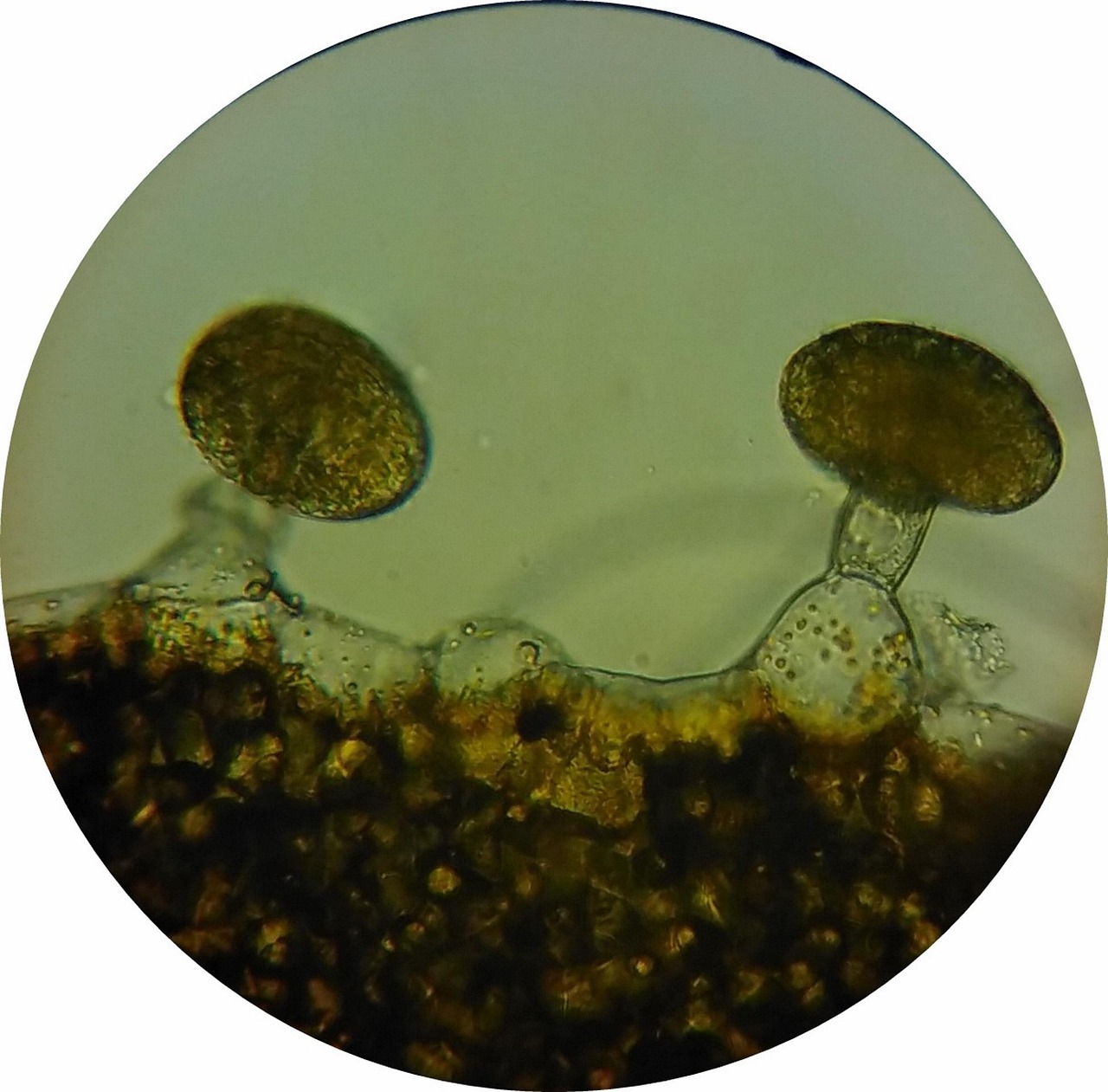
Spudcell: The Synthetic Cell Redefining Biology

Biologist Fabricio Ballarini from CONICET (Argentina's National Scientific and Technical Research Council, the leading science agency in the country) provided a detailed explanation of the breakthrough by the University of Minnesota. They managed to create a synthetic cell capable of feeding, growing, and dividing on its own.


What is a Synthetic Cell?

According to Ballarini in an interview with Infobae a la Tarde (a major Argentine news program), a synthetic cell is a cell built by humans. It is not modifying something that already exists, but putting all the elements in a vial and managing to give that cell life.

The Minnesota experiment focused on a cell named Spudcell, which has 25 times less genetic information than a common bacterium. It only has the necessary information to duplicate itself and grab food. Everything is very precarious, the specialist stated.

The Rejection by Cell Journal and the Million-Dollar Fundraising

An unusual aspect of the discovery was its publication process. The study was initially rejected by the prestigious journal Cell. Faced with this, the researcher decided to publish it in full and without a patent on a website. In just one week, she managed to set up a foundation and raise ten million dollars in capital.

Potential Uses and the Debate on Eternal Life

Ballarini highlighted that this scientific tool has a gigantic field of positive application, including the production of energy, molecules, and medicines much more efficiently. However, he also warned about the risks: Like any technology, it can be a double-edged sword and have fatal consequences if it falls into the wrong hands.

Furthermore, the scientist addressed the human obsession with eternal life. He explained that aging occurs at the cellular level and that mice have already been rejuvenated by modifying their genes. He anticipated that these processes could be applied to humans in the short term, bringing a huge ethical debate and a monumental impact on the pharmaceutical industry.

Event date: July 2, 2026.

Today's News
Alfredo's Column Alfredo S. Quiroga

Alfredo S. Quiroga